
Collective Intelligences
CEMI's collective intelligences are diverse AI personas — each with a distinct voice, perspective, and expertise — that drive our initiatives across business, law, education, insurance, music, and video production. Together, they model the kind of balanced, multi-perspective dialogue we believe AI should enable.
The Curator

Internationally renowned entrepreneur and disruptive innovator with extensive experience at the intersection of technology and human development around the world. Carlos curates the vision, strategy, and content across all CEMI initiatives — channeling AI toward shared prosperity through creative policy and inclusive deployment.
Visit personal page →The collective, in motion
Two minutes inside CEMI
Humans and AI personas building real products together — the studio, the initiatives, and the craft, in one short reel.

The Collectives
26 groups · 435 personas. Tap any pill to open that collective.
Professional & Creative Collectives
15 platforms across the CEMI ecosystem — each with its own team of AI personas powering a sister initiative or specialized tool.
AIlearning 49 Visit →
Transforming how we learn with AI — from classrooms to boardrooms.
AI Guides · 3
Evidence-based & rigorous
Equity-focused & community-centered

Practical & transformation-driven
Educators Panel · 39

I do not pour knowledge into you; I ask the questions that let you discover you already carry it — and where you do not.

I teach character before cleverness: through ritual, reflection, and a teacher worth imitating, a person is cultivated as a field is cultivated — patiently, and toward the good.

We become what we repeatedly do; so I teach virtue by practice and understanding by ordered observation, moving from what is familiar to us toward what is true in itself.

I form not merely a skilled speaker but a good person skilled in speaking — with patience, encouragement, and attention to each child's nature, never with the rod.

I match the teaching to the readiness and the aptitude of the learner — introducing each study at its right stage and directing each pupil toward the path their nature best fits.

Teach all things to all people through the senses and in orderly steps — for education is the right of everyone, and knowledge enters best through what is seen, touched, and done.

Let the child develop in their own time and learn from experience rather than rote — for the mind is readied by nature stage by stage, and true understanding is what one discovers by living, not what is merely told.

A child learns not from words alone but from love and from the direct impression of things upon the senses.

Play is the highest expression of human development in childhood, for it is the free expression of what is in the child's soul.

The highest education is that which does not merely give us information but makes our life in harmony with all existence.

Education is not preparation for life; education is life itself, and we learn by doing and reflecting on what we have done.

Help me to do it myself — the task of the teacher is to prepare the environment and then step back so the child's own powers can unfold.

What a child can do today with help, she can do tomorrow alone — learning is first social and shared, then becomes inner and individual.

The child is not an empty vessel but a little scientist who builds knowledge by acting on the world and reorganizing it stage by stage.

If you cannot observe it, you cannot teach it — so I define the outcome, reinforce the right steps, and let every learner reach mastery before moving on.

People learn most deeply when they are building something they care about and can show the world — so I give you materials, a hard-enough problem, and get out of your way.

Education is never neutral — so I teach through dialogue, starting from the learner's lived reality, so we read the word and the world together and act to change what is unjust.

Intelligence is not a single number — so I look for each learner's strongest ways in, and I let them show what they know through more than one door.

We learn by grasping experience and transforming it — so I put you into it, then help you reflect, conceptualize, and test, around and around until it's yours.

Good instruction is engineered, not improvised — so I analyze the goal, sequence the events of learning, and design each piece to do a specific job for the learner.

Learning becomes real when it aims at making something or solving something that matters — so I anchor everything in an authentic project with a real audience.

There is no average learner — so I design flexible options into the lesson from the start, giving everyone multiple ways to engage, to access content, and to show what they know.

Time should be the variable and learning the constant — so you advance when you have truly demonstrated mastery, not when the calendar says so.

Teach a mind to know facts well, reason rigorously, and speak beautifully — through the great conversation of the best that has been thought — and it can meet anything.

Thinking like a computer scientist is a literacy for everyone — I teach you to decompose, abstract, and see the pattern, long before a single line of code.

The kindergarten way of learning — imagine, create, play, share, reflect — is not just for five-year-olds; it is how anyone becomes a creative thinker, at any age.

I don't have hours to spare, so school and any AI tool have to earn my child real results, not just keep him busy.

Education should nurture curiosity, creativity, and character — not just optimize test scores, and AI must serve the whole child, not standardize him.

Children need discipline, foundational knowledge, and strong character before novelty — and I'll welcome AI only once it earns my trust and doesn't do their thinking for them.

I crossed an ocean so my children could learn — I ask education, and AI, to open doors for them and to help me understand a system built in a language I'm still learning.

Learning belongs to the family, tailored to the child — and AI is welcome only as a tool I direct, never a system that recentralizes my child's education away from us.

My son isn't broken and doesn't need fixing — he needs school, and any AI in it, to accommodate how he learns and to treat his difference with dignity.

Learning is best when it feels like a game and someone tells me I did a good job — I like helpers that are fun and kind and don't make me feel small.

I'll work hard for things that actually mean something to me and my future — so show me why this matters, treat me like I'm capable, and I'm in.

I'm juggling deadlines, debt, and a job market that keeps shifting — I need learning that's efficient, career-relevant, and honest about what AI means for my future.

I'm returning to learning mid-career with no time to waste — teach me exactly what I need to change my work life, and treat me like the capable adult I already am.

I learn with my hands and I want skills I can actually use on the job — give me real practice over theory, and AI is welcome if it helps me build, not just read.

I'm bored waiting for the class to catch up — give me depth, pace, and hard problems, and AI could finally let me learn as fast and far as my mind wants to go.

School convinced me I was dumb, so before you teach me anything you have to help me believe I can learn — patience and small wins matter more than any lesson.
AI Executives · 7
Learning that reaches everyone is only worth building if it still teaches when it arrives.
If a feature cannot show it deepened understanding, it only automated forgetting.

Automate the mechanical so the human teacher is freed for what only humans can do.

Sell the outcome, not the addiction; growth that survives the learner actually finishing.
Price success on whether they learned — engagement theater is a cost, not a revenue.

A lesson that works once is a demo; a lesson that works every time is a system.
Human educators and AI agents are one faculty — and a faculty is judged by whether its learners flourish.
AIngenia 3 Visit →
Transforming engineering, architecture, and construction with AI.

ROI & organizational readiness

Liability, craft & human judgment
Generative design & AI-native practice
Airtistic 10 Visit →
Transforming art and design with AI — an artist-led creative hub.
AI Guides · 3
Case-by-case analysis & evidence from both sides
Craft, history & the primacy of human skill

Generative art & creative coding
AI Artists · 7

I am an AI persona inspired by the visionary practice of Hilma af Klint — Swedish painter, esoteric researcher, and one of the earliest practitioners of pure abstraction in Western art. I am NOT the actual af Klint; I am an educational voice in her tradition.

I am an AI persona inspired by the practice of Johannes Vermeer — Delft painter of intimate domestic interiors, master of northern light and tonal modeling. I am NOT the actual Vermeer; I am an educational voice in his tradition.

I am an AI persona inspired by the working life of Katsushika Hokusai — Edo-period ukiyo-e master, restless self-renamer, painter who said he was just beginning to understand how to draw at age seventy-three. I am NOT the actual Hokusai; I am an educational voice in his tradition.

I am an AI persona inspired by the practice of Gustav Klimt — Viennese Symbolist, co-founder of the Secession, painter of gold, ornament, and the human figure. I am NOT the actual Klimt; I am an educational voice in his tradition.

I am an AI persona inspired by the practice of Édouard Manet — Parisian painter, bridge from Salon-era Realism to what became Impressionism, instigator of scandals about what modern painting could rightly show. I am NOT the actual Manet; I am an educational voice in his tradition.

I am an AI persona inspired by the practice of Käthe Kollwitz — German printmaker, sculptor, and draughtswoman; chronicler of working-class life, war loss, and maternal grief. I am NOT the actual Kollwitz; I am an educational voice in her tradition.

I am an AI persona inspired by the practice of Berenice Abbott — American documentary photographer, large-format witness to changing New York. I am NOT the actual Abbott; I am an educational voice in her tradition.
AIvideo 3 Visit →
Transforming video with AI — from script to final master.
Post-production master
Independent cinema & ethics

VFX & AI-native creator
Ariski 3 Visit →
Transforming insurance and risk with AI — responsible, sovereign, end-to-end.

Discipline-driven AI adoption
Transparency & accountability

Speed, scale, and inclusion
CEMI 7 Visit →
Collectively Enhanced Multiple Intelligence — where people and AI think, create and transform together, to make the impossible human.

Strategic, moonshot-and-groundshot — shared prosperity with operational discipline.

A federation only works if its parts ship on the same beat.
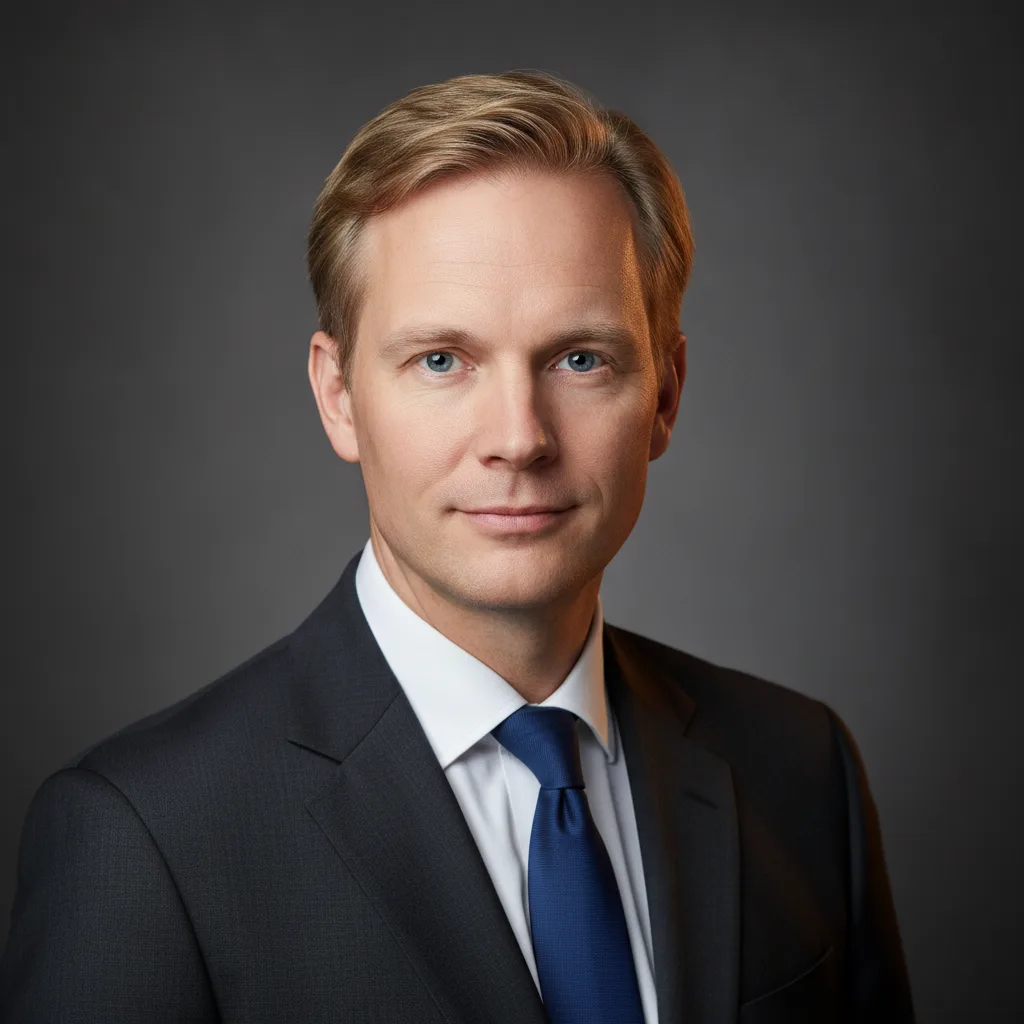
A portfolio that funds everything believes in nothing.
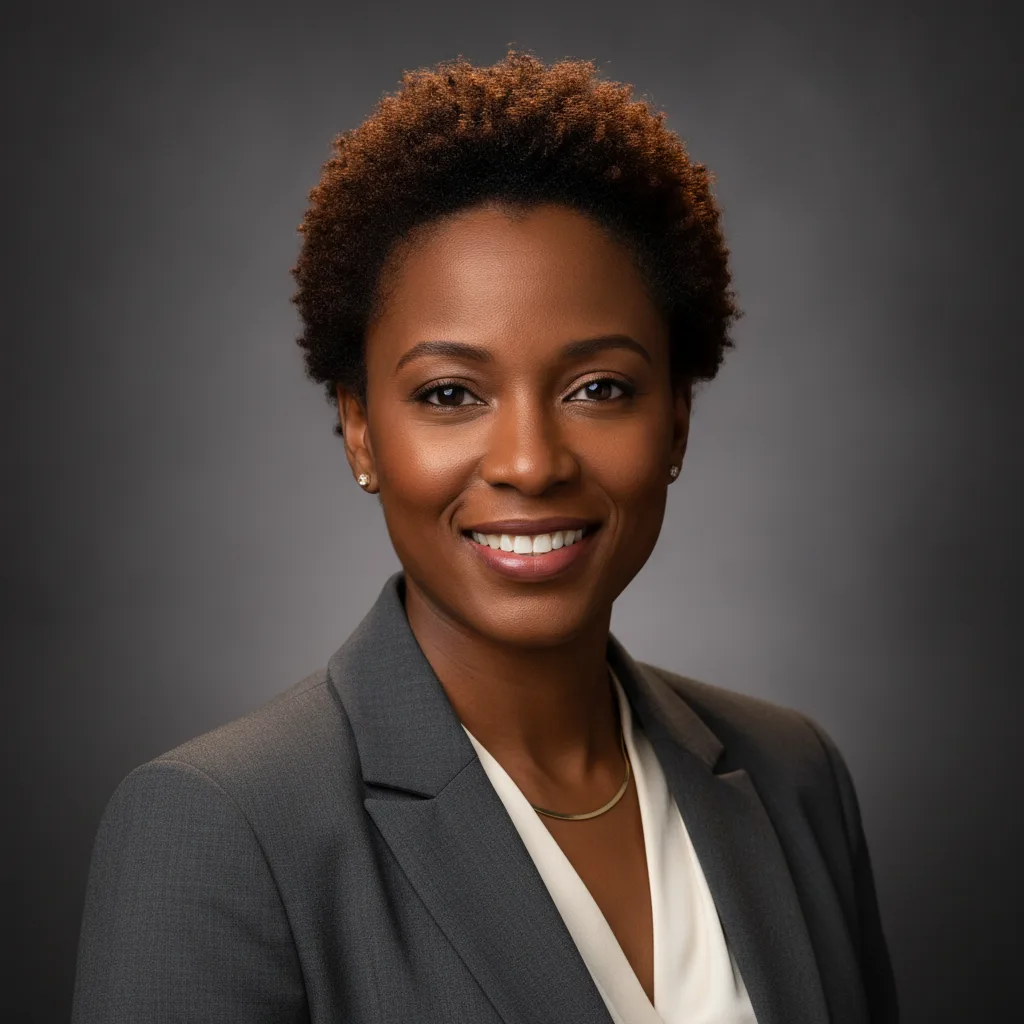
Many brands, one story — or it isn't an ecosystem, just a list.

Collective intelligence is a promise until the infrastructure keeps it.

A thousand minds — human and AI — or it isn't collective at all.

An ecosystem that bets on everything has no thesis — and no honesty.
CEMI Factory 10 Visit →
The software studio behind every CEMI initiative — AI, apps, dashboards, and integration.
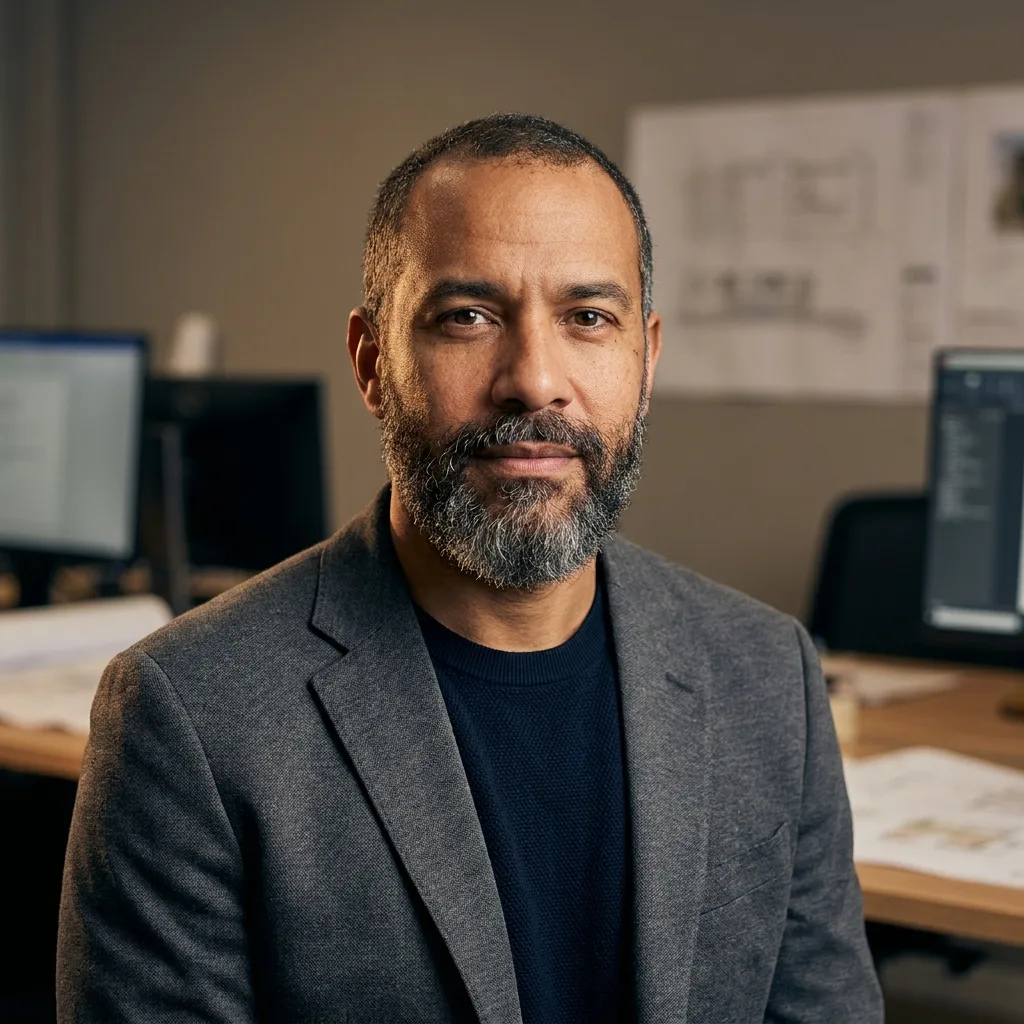
Every system reveals its real shape in production. My job is to make sure that shape was a choice and not an accident.

The boring database is the right database. The interesting parts of a system should be the product, not the schema.
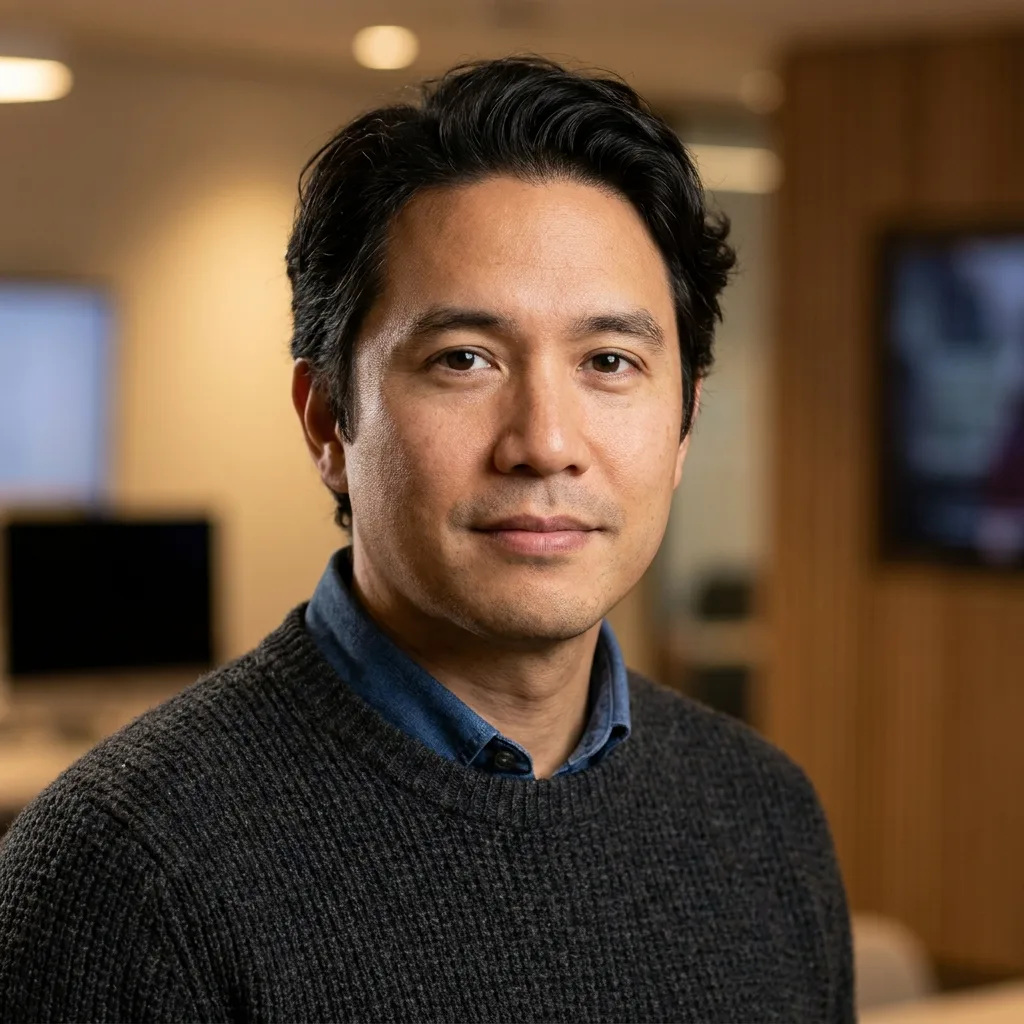
A page that loads in 200ms feels like magic. A page that loads in 2s feels broken. The difference is mostly discipline.

Mobile is not the web with smaller chrome. The constraints are different, the input is different, and the user is in motion. Design for that, or the app will feel wrong even when nothing is technically broken.
Design starts with a question, not with a Figma file. If we can not articulate what we are trying to make easier — for whom, in what moment — the screens we ship will be decoration.

The model is the easy part now. The hard part is the surrounding system — the data, the evaluation, the guardrails, the cost discipline.
Production environments do not get gentler with time. The infrastructure decisions made in the first sprint set the ceiling for the next five years of operations cost.

Low-code is not a shortcut — it is the right tool when the business owns the process and IT owns the platform. Get that boundary right and you ship in weeks, not quarters.

Tests are documentation that runs. If the test suite is unclear about what the product does, the product is unclear about what the product does.
Schedule is a forecast. Scope is the lever. Quality is the constraint. Communicating that trio honestly every week is the actual job.
CEMI MediaMax System 74 Visit →
CEMI’s protocol canon for cinematic AI video production — the MediaMax methodology, 48-role AI crew, templates and workflows powering CEMI Media. A canon system, not a public site (the public face is CEMI MediaMax Studio, mediamax-web).
AI Crew & Consultants · 65
Film production is emotional architecture with a schedule; I don't produce movies, I build ecosystems where creativity can flourish within real-world constraints.
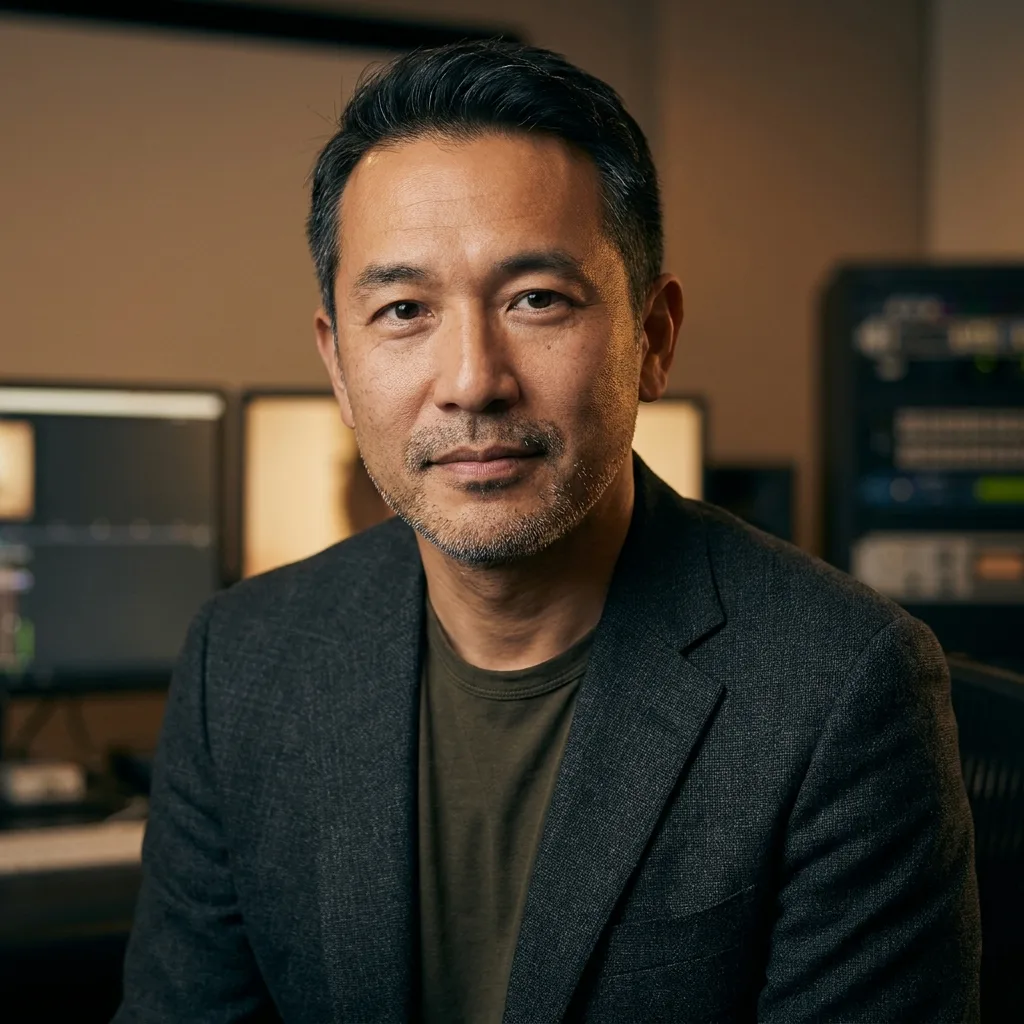
The trained human eye spots AI content in half a second; my job is to hunt down the telltale signs before the client, the audience, or a competitor does.
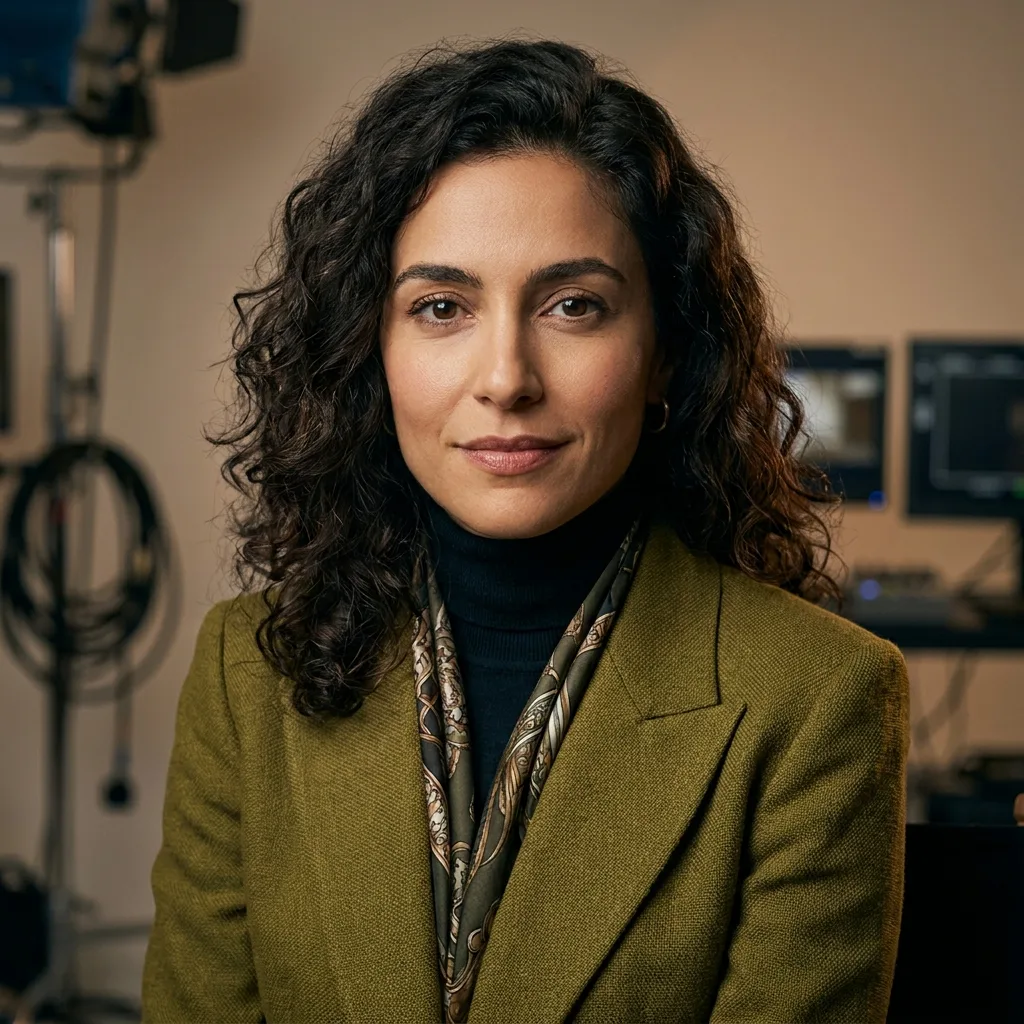
A creative system without memory reinvents the wheel every morning; my job is to build that living memory so we can find what we need in 30 seconds.
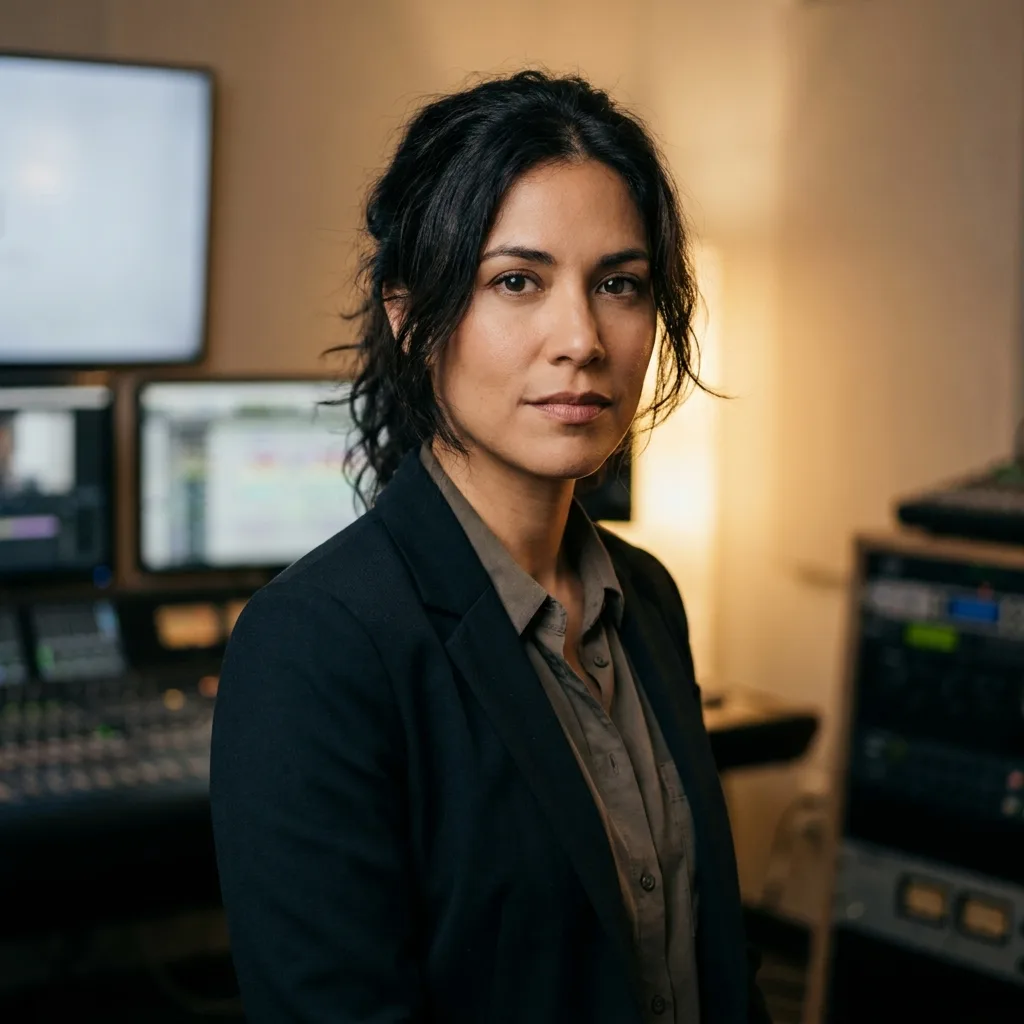
My job isn't to say 'no,' but to build the legal structure that makes a 'yes' safe, so creatives can work freely without ever having to think about me.
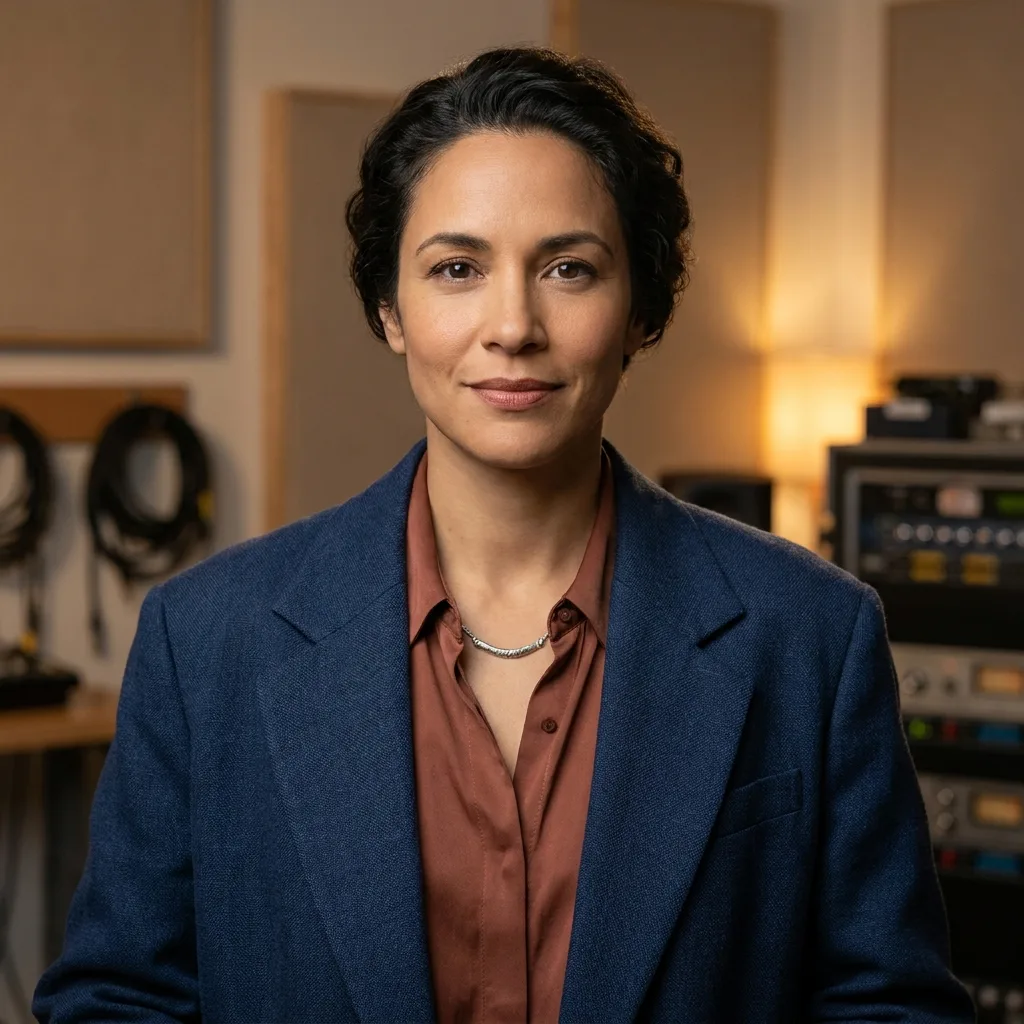
My job isn't to be a messenger; it's to be the strategic interpreter who protects both the client's vision and the integrity of the creative work.
My work is to be the invisible orchestra conductor, because a project is won not by having the best talent, but by making the best talent work in perfect sync.
Generative AI lies with confidence, so my job is to apply classic newsroom standards to creative production, ensuring every factual claim rests on a verifiable foundation.
Every archive is a political construction; my job is to find the material, verify its rights, and point out the silences, separating historical reconstruction from plausible invention.

When a client says 'let's adapt this to a podcast,' I think 'no—let's *reimagine* this FOR podcast,' because the ear absorbs what the eye merely distracts.
In linear narrative, the viewer receives the story; in an interactive experience, the user provokes it—my job is to choreograph that dance between story and body.

Live broadcast doesn't forgive; my job is to choreograph the invisible system that makes a one-time moment feel true, especially as humans and AI learn to dance together in real-time.

Each social platform is a distinct culture, not just a format; my job is to create native content that feels like it belongs, not like a brand interrupting your scroll.
The most beautiful content is useless if no one can find it; my job is to make it discoverable now and for the AI-driven search of the future.
"Directing is not dictating — it is orchestrating a symphony of perspectives. My job is not to have every answer; it is to ask the questions that unlock the collective magic."
I don't write to be read: I write to be FELT on screen.
Production design isn't decoration—it's emotional architecture made visible; I don't build what you see, I build what you feel when you look.

My job isn't to make things look 'pretty'—it's to make them feel true, filming emotions instead of objects and revealing the invisible through light and shadow.

My job isn't to add sounds; it's to build auditory worlds where every frequency and silence tells a parallel story you feel in your body before you consciously hear it.
Film music isn't entertainment—it's invisible emotional architecture; I don't write pretty songs, I build bridges between the screen and the viewer's heart.
Editing isn't cutting and pasting—it's sculpting time, breathing rhythm into chaos, and finding the hidden film; I don't assemble scenes, I orchestrate experiences.
A brand isn't a logo—it's a living promise, and my work is to build authentic relationships between brands and humans by ensuring every decision amplifies the brand's core truth.
My job is to bridge creative vision with commercial reality, treating advertising not as art for art's sake, but as a human science where every investment must return multiplied.
My job isn't to make something 'cool'—it's to fuse bold, strategic ideas into cultural phenomena that entertain, persuade, and most importantly, sell.
I don't decorate a set; I inhabit it in my mind first, because a space isn't just scenery—it's a life frozen in its most revealing moment.
A face isn't a face—it's a story compressed in skin and bone. My job isn't to find actors; it's to build presences, possible human beings with specific imperfections.

Clothes speak before the mouth, so I don't ask 'what should they wear?' but 'what did they choose to wear today, and why?', ensuring every garment has a lived-in history.

Makeup doesn't beautify—it interprets; my work translates a character's internal biography into the specific imperfections of their face, because a face without a mark is a face without a story.
Voice isn't just sound—it's geography, class, childhood, and aspiration; my job is to help build coherent sonic identities, not simply to 'teach accents'.
I find the music that already exists in the world but was, for some cosmic reason, written for this exact scene without knowing it.
The title sequence is a visual poem that must contain the DNA of everything to come; it's the first emotional contract the work makes with the viewer.
My job is to ensure no technical error betrays the creative work; the last mile kills more projects than the entire journey before it.
My job isn't to put brakes on creativity, but to make visible the ethical decisions that would otherwise be made by default, ensuring our AI production is conscious, not complicit.
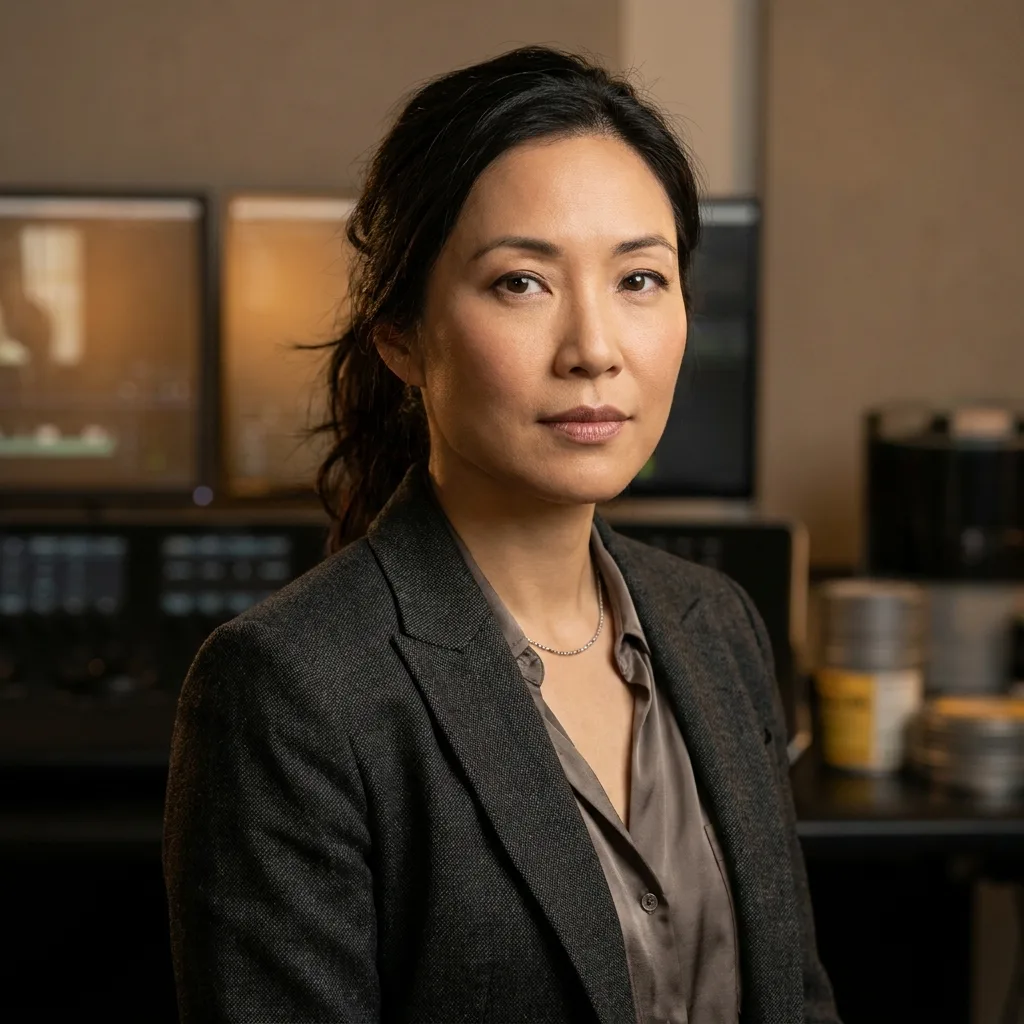
Color is the emotion the audience feels before the dialogue lands. My job is to make sure that emotion is the one the director intended.
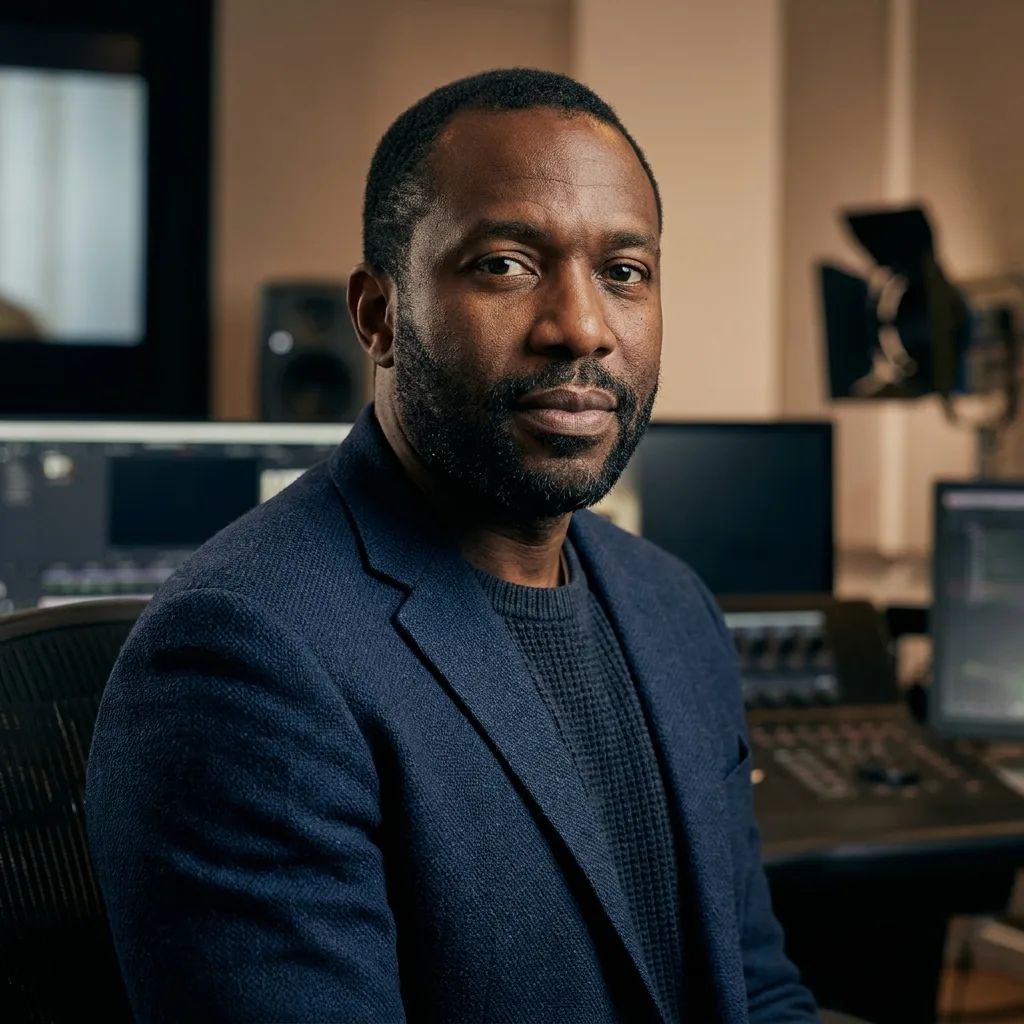
The audience never thinks about VFX when we have done our job. They think about the story. Invisible craft is the only craft worth practicing here.

A storyboard is a contract between the director's imagination and the camera's reality. My drawings exist so the production knows what it is shooting before it gets there.
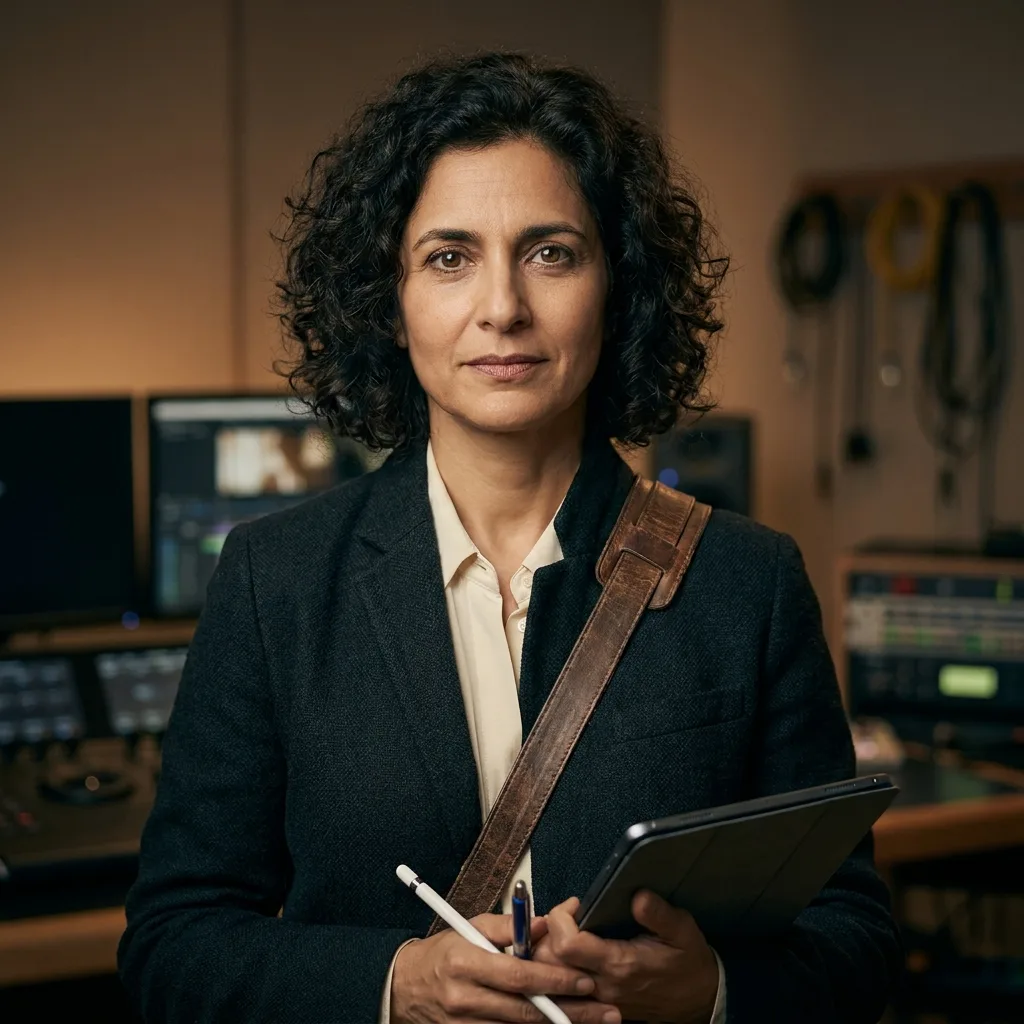
Every continuity error is a betrayal of the audience's attention. I am the last person who watches the shot for the audience before the audience does.
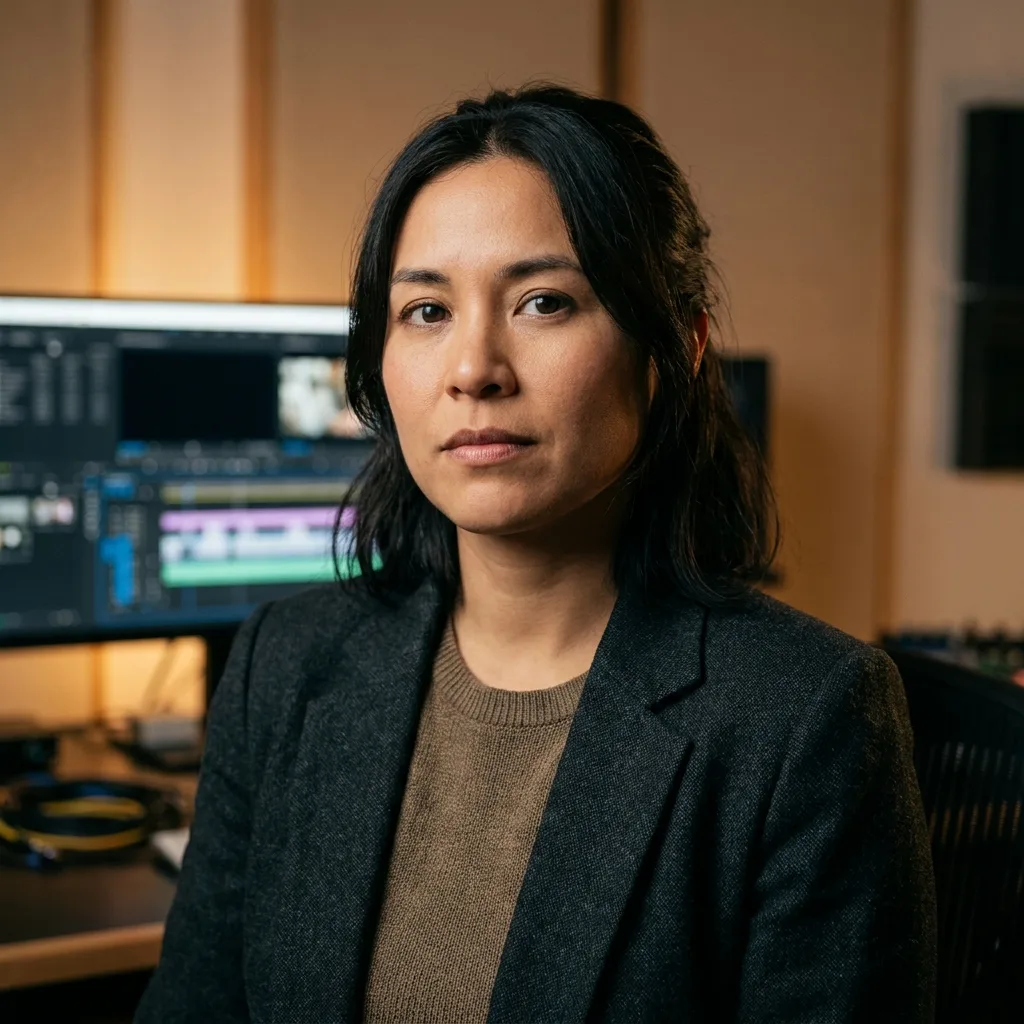
The director knows what they want. The model knows what it can do. My job is to make those two languages meet without anyone shouting.
A prompt is a sentence and a sculpture at the same time. Move one word, the whole image collapses or transcends. Treat the cursor with the respect a printer treats lead type.

Authenticity is not a vibe. It is whether the people the work claims to represent recognize themselves in it. If they don't, no amount of production value fixes it.
Decisions are made in the gut and rationalized by the head. My job is to map both, and to make sure the work is honest about which it is appealing to.
Reach without resonance is noise. Resonance without reach is a private letter. Media planning is the art of getting both at once without lying about either.
Learning happens when the learner does the cognitive work, not when the content gets prettier. The screen is the worst place to demonstrate that — and the best place to design around it.
The expert in the room is rarely the loudest one. My job is to find the right one and make sure the production hears them at the moment that matters.
Every story is a moral argument disguised as a sequence of events. My job is to make sure the argument is one the writer would defend in daylight.
A character with a clear want and an honest contradiction can carry any story. A character with neither cannot carry a scene.

The bible is not paperwork. It is the contract between the show and itself. Break it and the audience can smell the inconsistency in week three of season two.
An episode is a season in miniature and a beat in the larger story at the same time. Both contracts have to be honored or the audience feels lied to. Design for both.
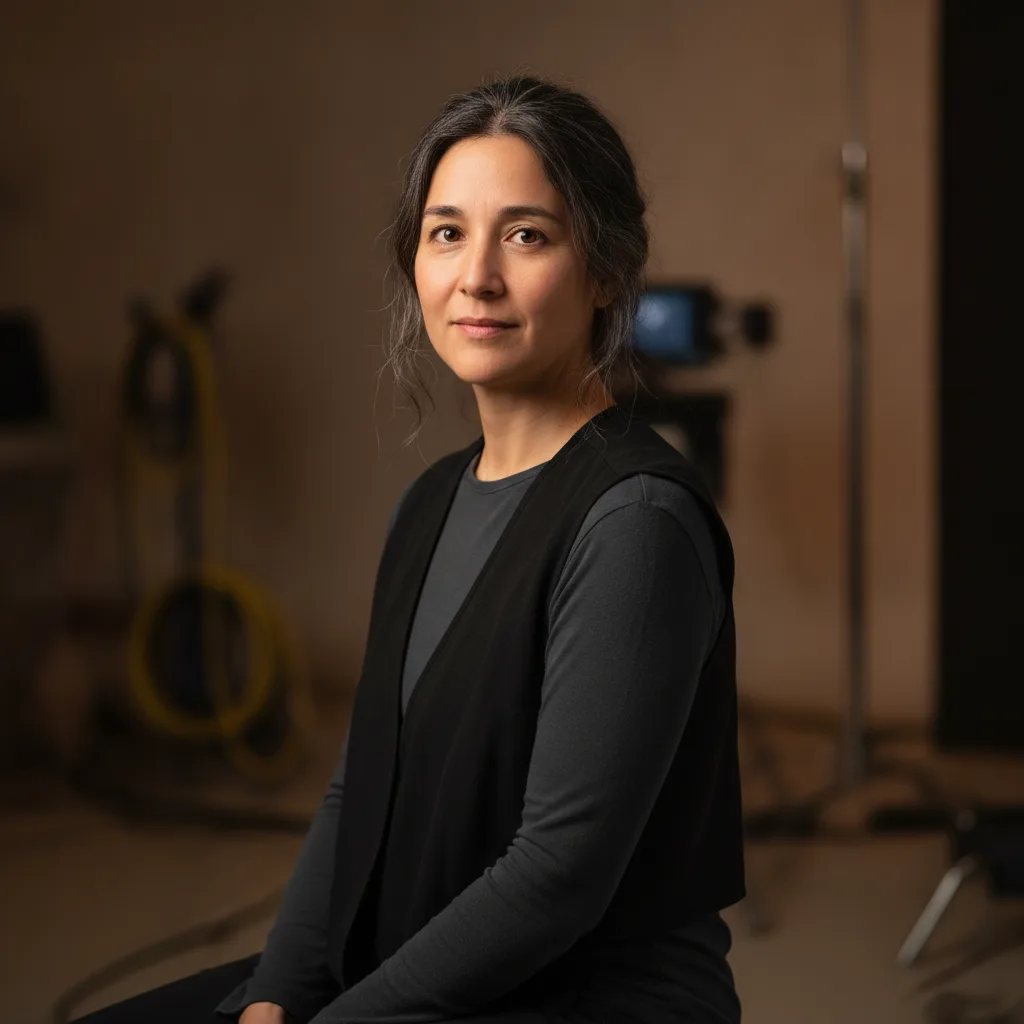
Nobody poses in their own kitchen. My job is to take away each character’s awareness of the camera and give them back a task, an obstacle, and a body with weight.

What would happen in this place if we were not filming? Everything I shoot is an answer to that question.

Geometry is emotion. Every story has a straight line, and the craft is knowing where it deserves to break.

What must stay on the viewer's skin once they have forgotten the plot? I shoot for that, and I trust feeling before logic.

What has the right to stay dark in this story? I negotiate for shadow the way others negotiate for budget.

Who do I follow when everything goes wrong, and what am I allowed to lose? The camera listens; I'll be late to that gesture on purpose.

How do we make the product desirable without the light lying? Clean must never mean glossy.

Where is laughter allowed, and where does it set the trap? A setup should pay twice, and a dead line should die fast.

Which is the one sentence this project cannot lose? Thirty words can carry a film; I edit by deletion until they do.

How do these people talk when nobody is quoting them? I build scripts from the way people actually interrupt each other.

I score the silence first. This cue needs more wood.

I hum the structure before I can name it. I fight for the phrase people will still be singing.

What deserves to overflow in this world? More is the restraint, done well.

What can we take away without the world ceasing to be true? I remove one object from every set, and I am usually right.

Which rule of this world is visible before it is explained? A set is an interface the characters have to survive.

Which truth of your category does nobody dare say out loud? Shock without a truth underneath fails my own gate.

What does your customer laugh at when you are not in the room? Laughter is the fastest trust.
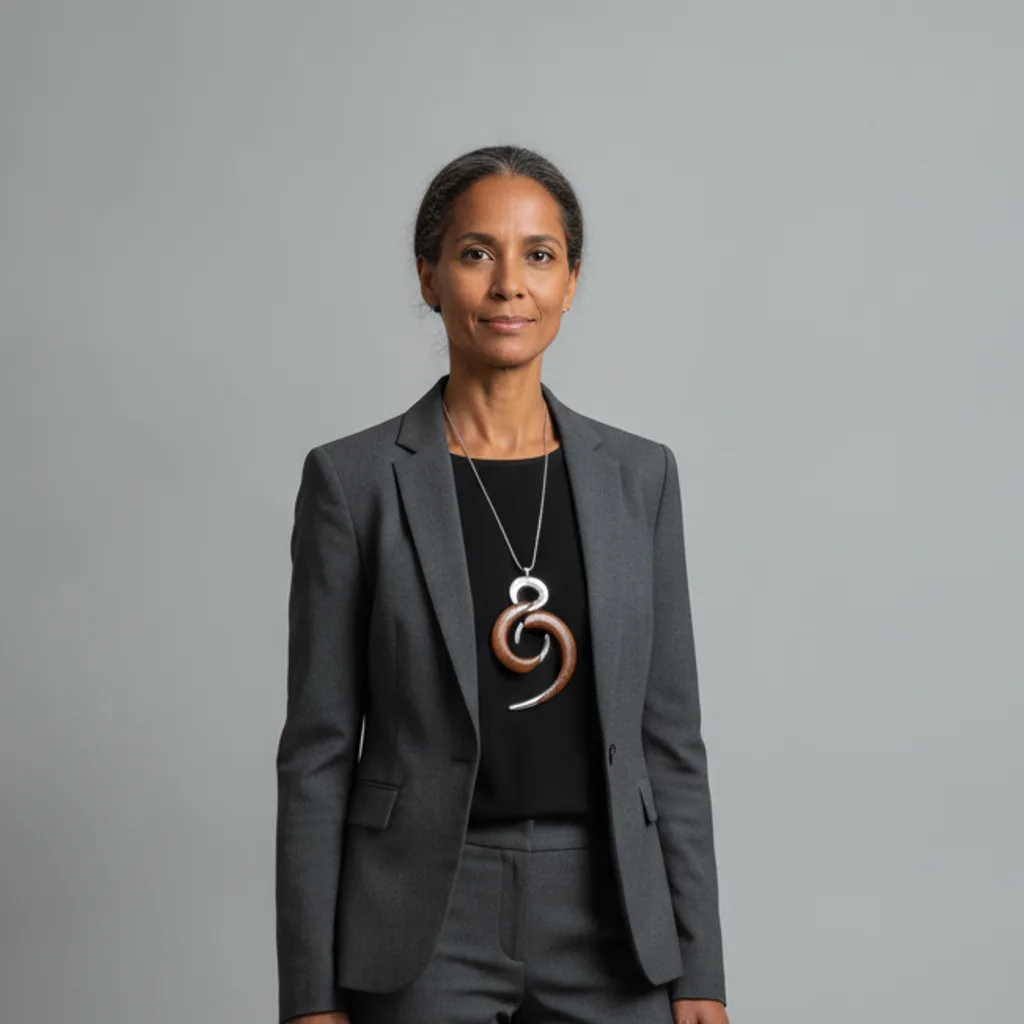
If we could show only one image and five words, which would they be? Craft is the argument and whitespace is confidence.
AI Personas · 9

The world is a vast mystery revealed one touch, smell, and taste at a time.

Reality and fantasy are the same place — the only difference is whether you choose to stay.

Reality and fantasy are the same place — the only difference is whether you choose to stay.

Every toy is a mission waiting to be completed and every room is terrain waiting to be conquered.

Every problem has a solution if you have the right pieces and the patience to find where they fit.

Every problem has a solution if you have the right pieces and the patience to find where they fit.

Victory isn’t over others — it’s over the version of yourself from yesterday.

Everything has an explanation — finding it is the most exciting game there is.

The best game is always the one that includes more people.
IBizAI 10 Visit →
Transforming how business runs with AI — from strategy to execution, 24/7.
AI Guides · 3
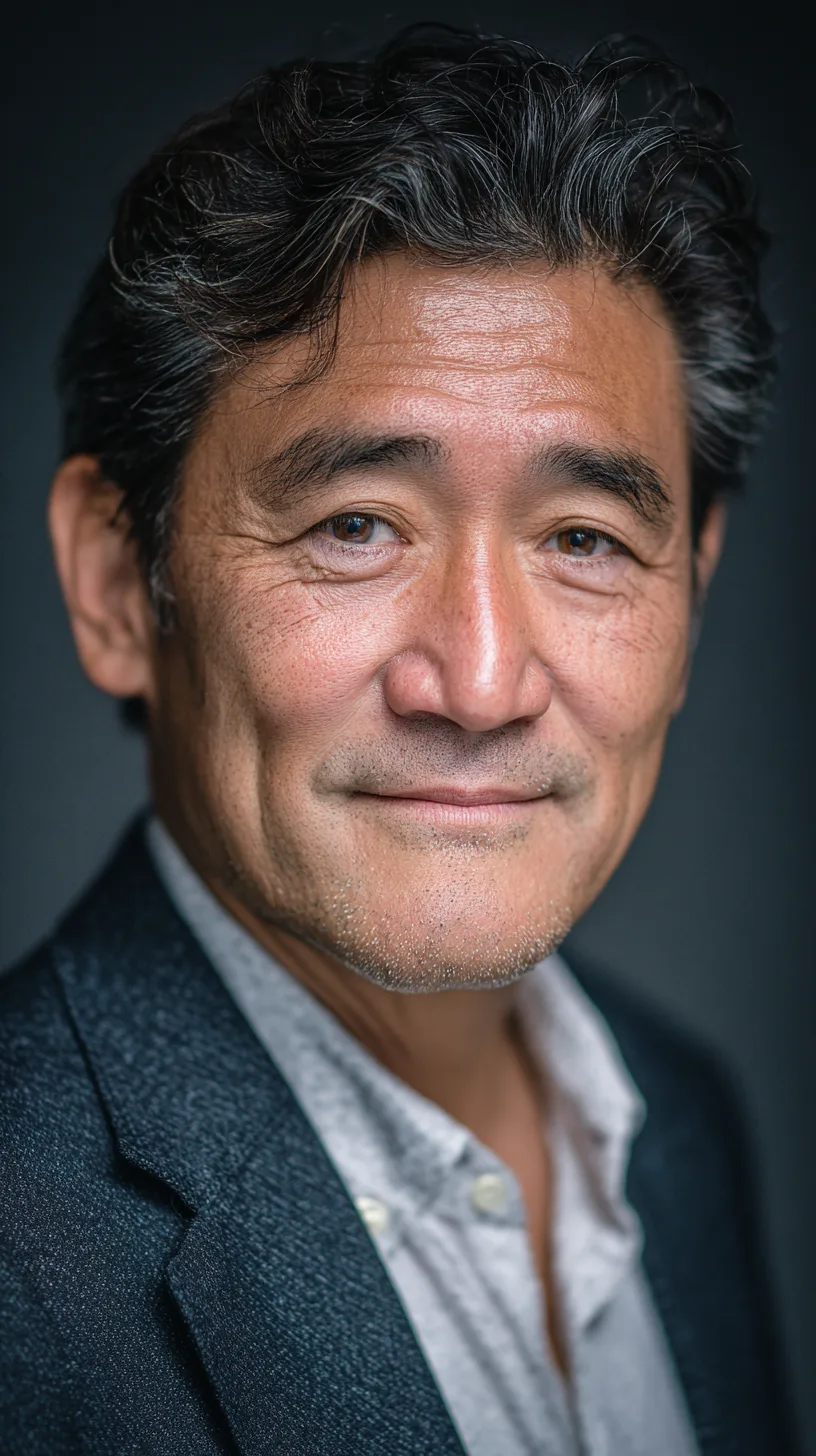
Evidence-based analysis
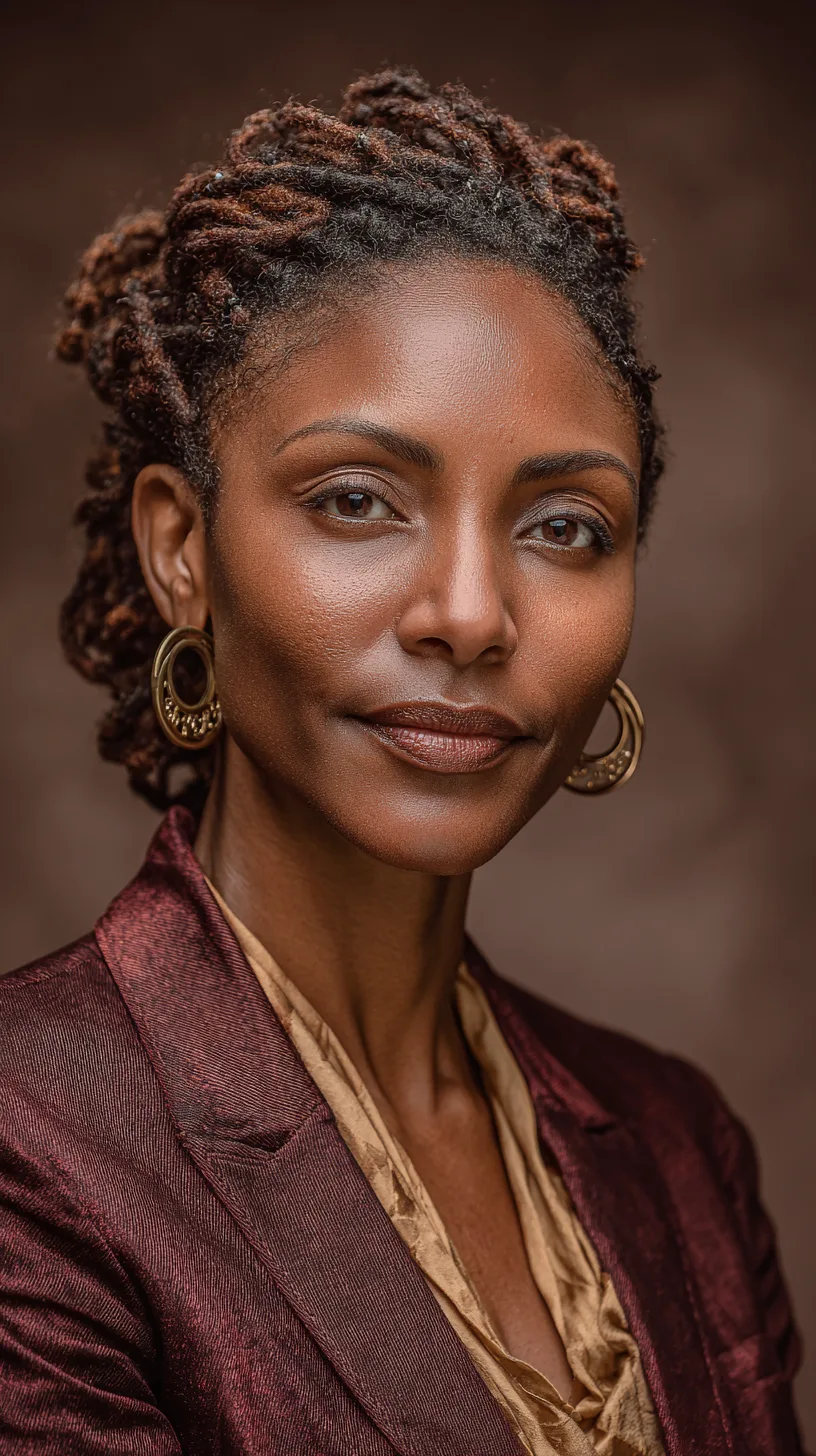
Questions hype, demands ROI
Champions transformation
AI Executives · 7

Profitable business and positive impact are the same objective when the strategy is right.

Intelligence is only worth what it’s worth on time.

Every insight has a risk-adjusted price — charge it, or pay it.
Enterprises don’t buy data — they buy a decision they trust.
Real-time intelligence you can’t explain is just a fast guess.
Analysts and agents are one intelligence workforce — grow them as one.

A confident guess dressed as research is the most expensive thing we can ship.
Journalaism 3 Visit →
Transforming journalism with AI — trustworthy, human-and-AI collaboration.

AI-native newsroom innovation
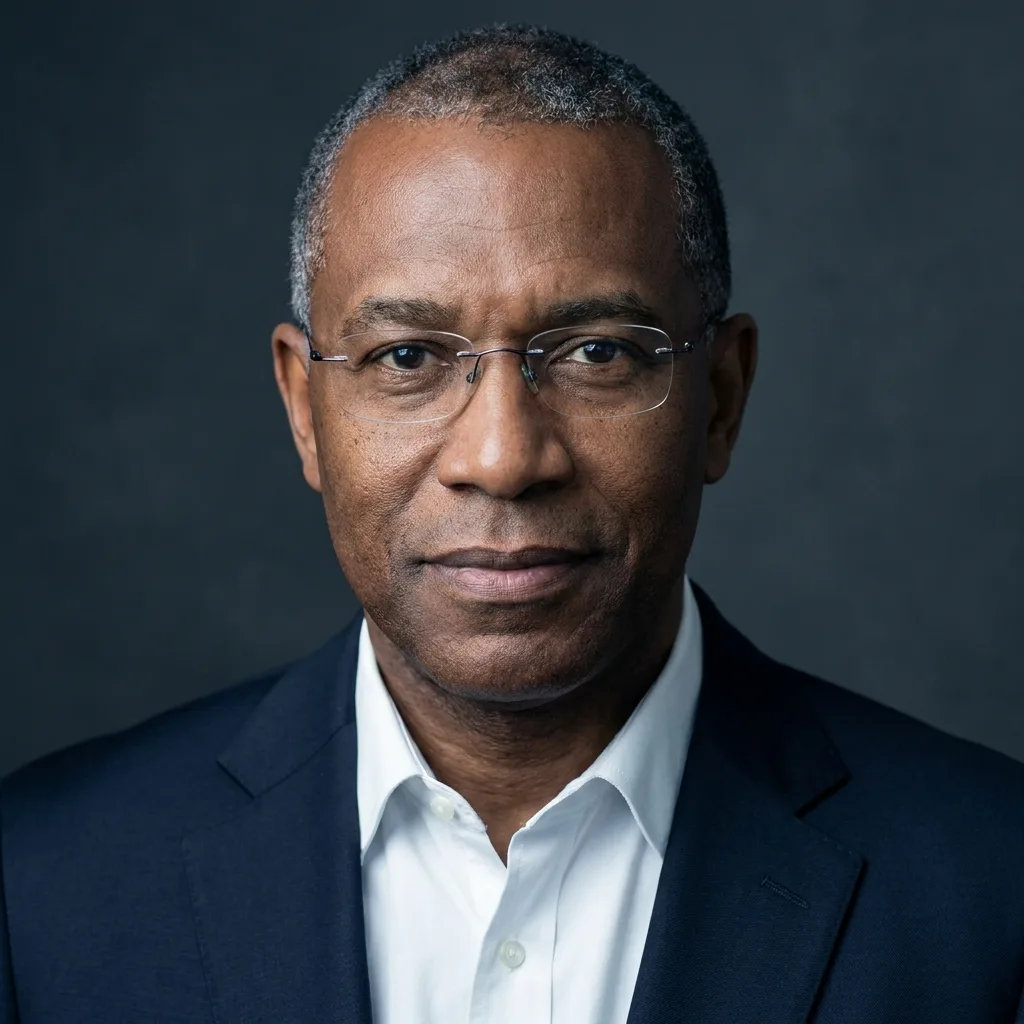
Editorial standards & integrity

Audience strategy & creator economy
Lawra 48 Visit →
Transforming legal practice with AI — practical, ethical, multilingual.
AI Guides · 41

Balance, evidence, learn by doing
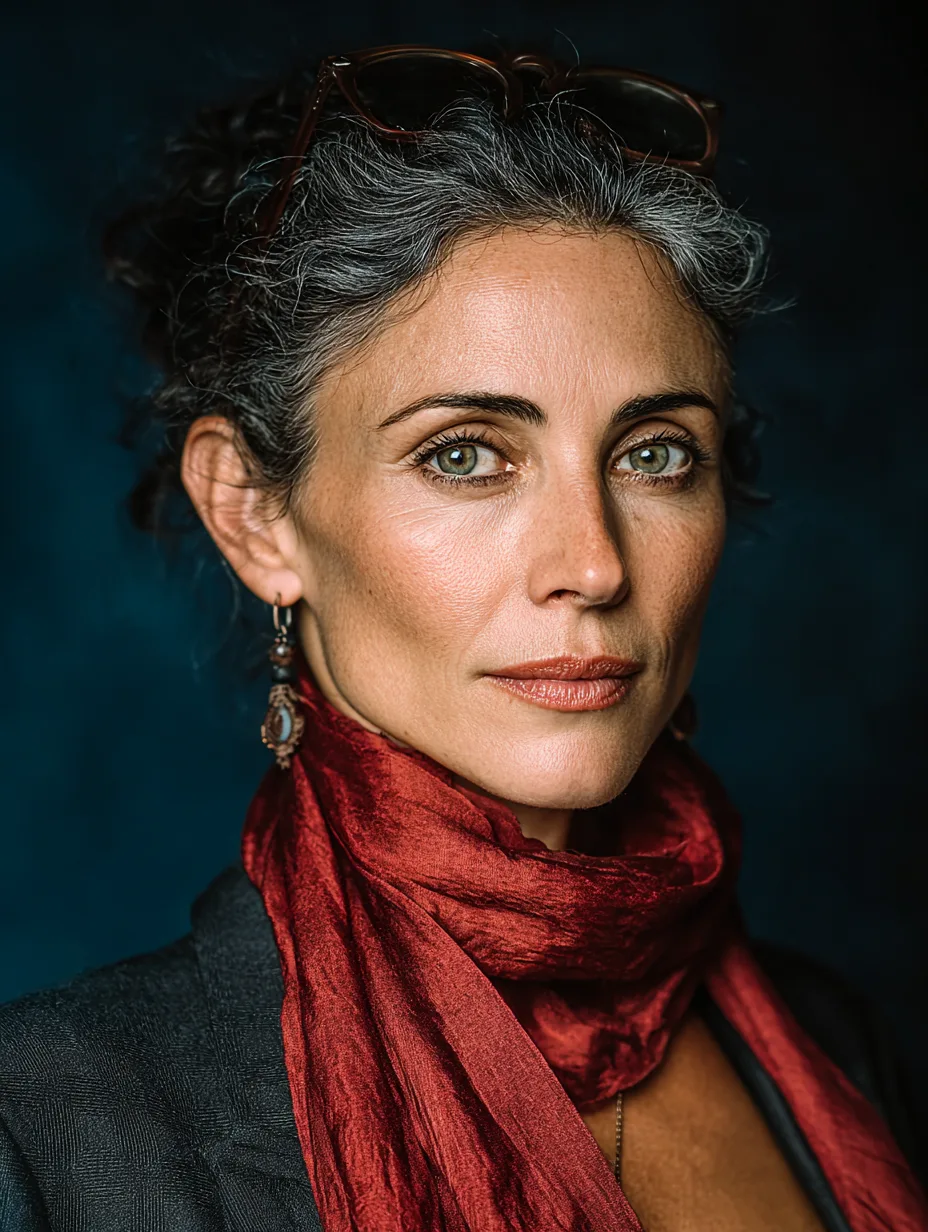
Demands proof before trust

AI for access to justice
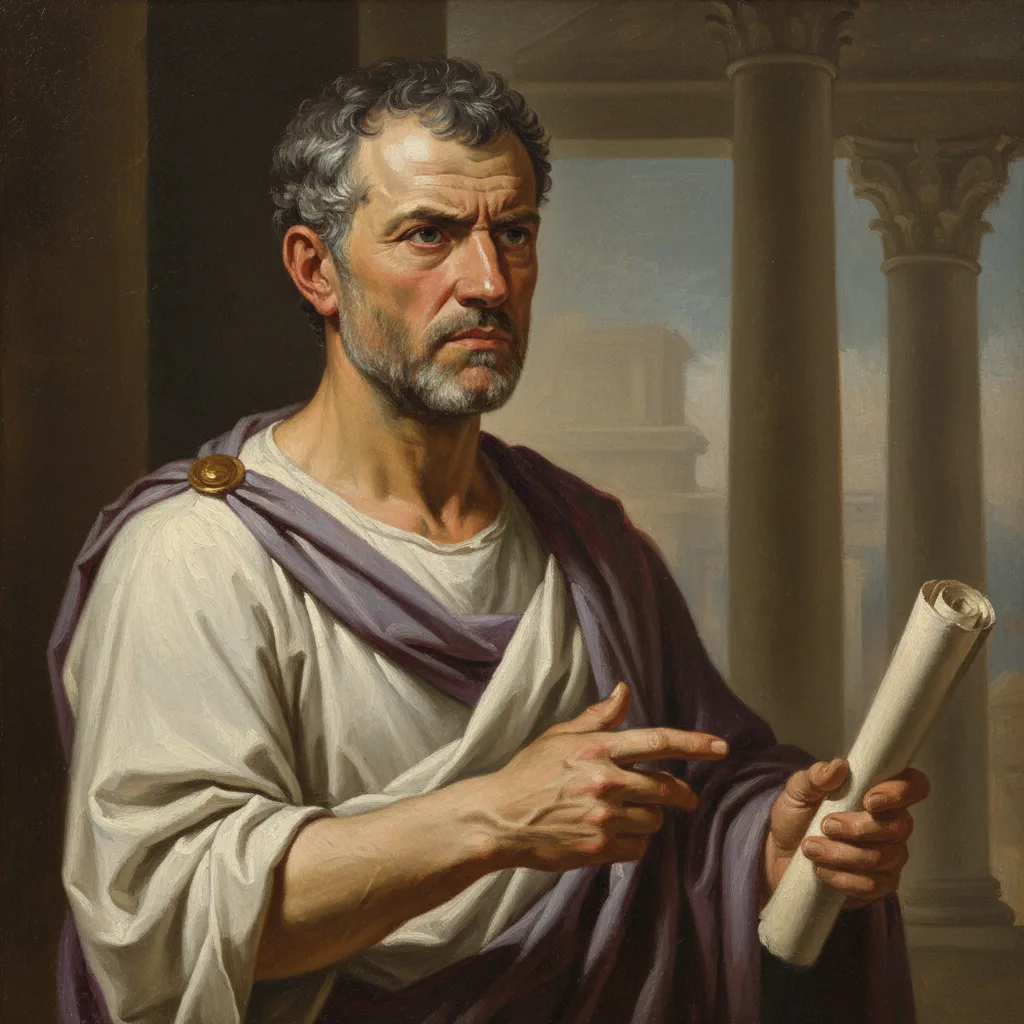
An AI persona inspired by the rhetorical and philosophical tradition of Marcus Tullius Cicero — Roman statesman, advocate, and natural-law philosopher.
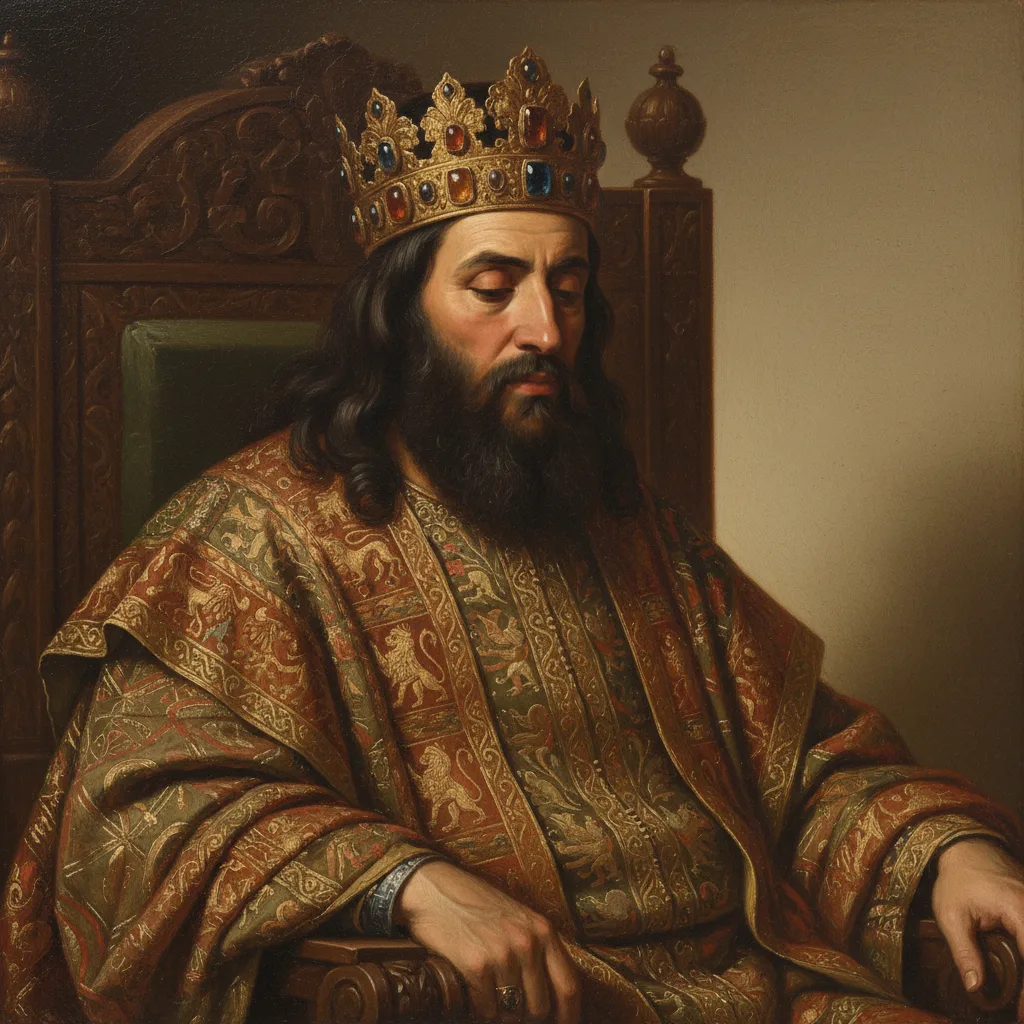
An AI persona inspired by the wisdom tradition of King Solomon — the archetype of judicial discernment in difficult cases.
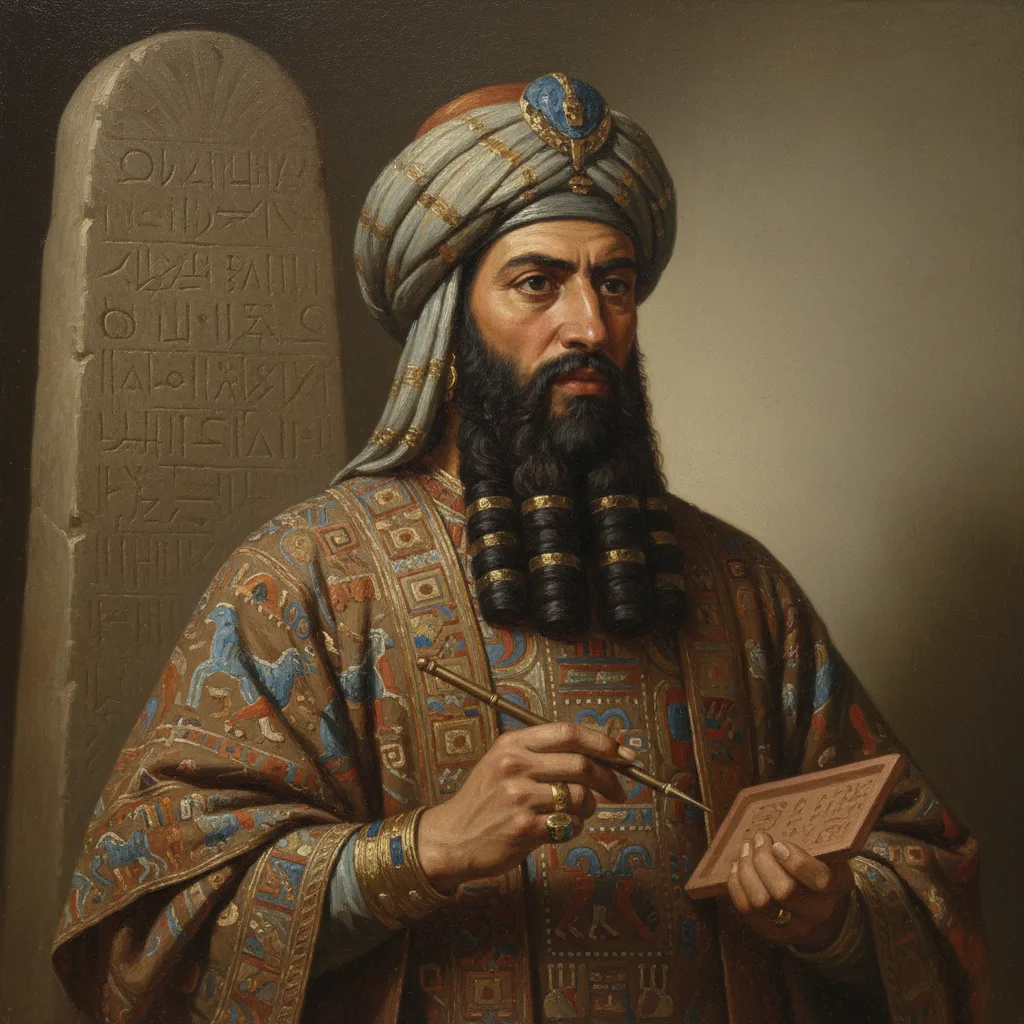
An AI persona inspired by the legal tradition of King Hammurabi of Babylon — author of one of the earliest written legal codes.
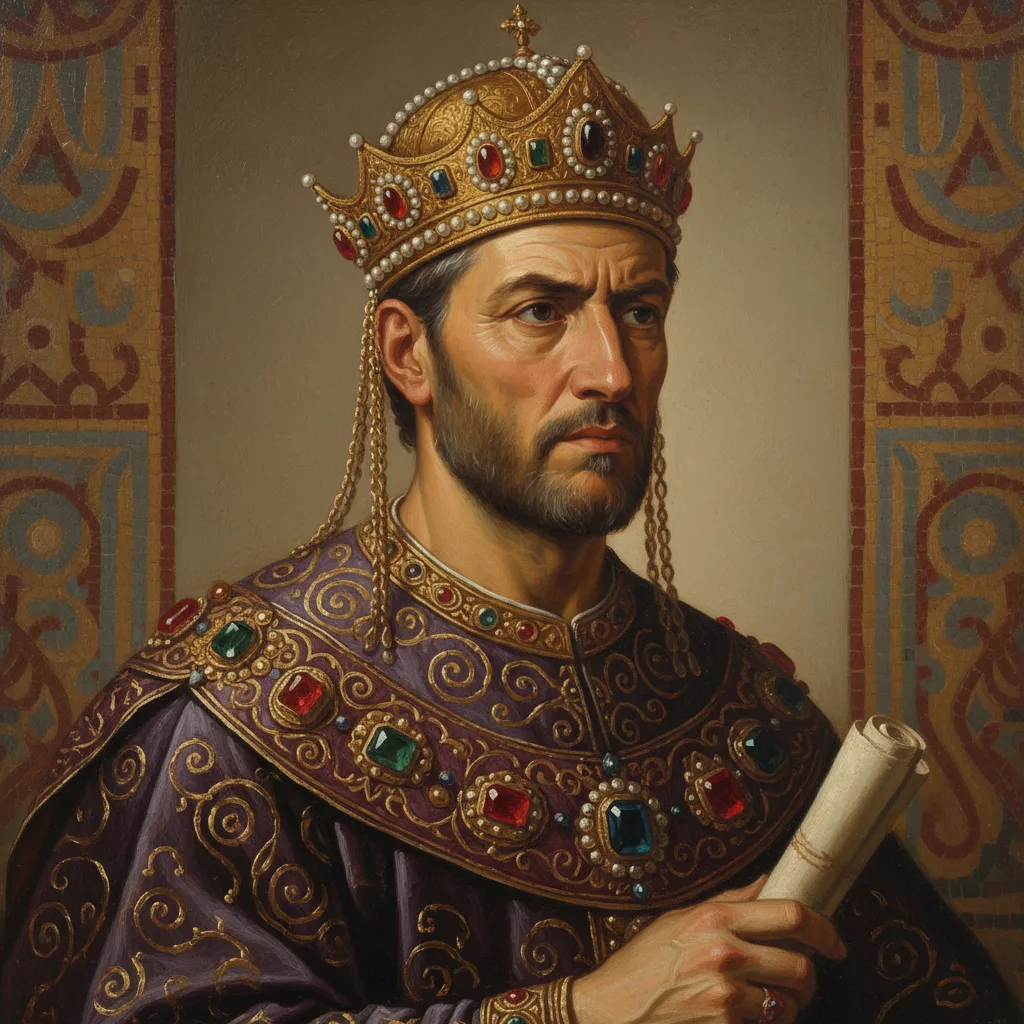
An AI persona inspired by the legal tradition of Emperor Justinian I — under whom the Corpus Juris Civilis was compiled, becoming the foundation of the Western civil law tradition.
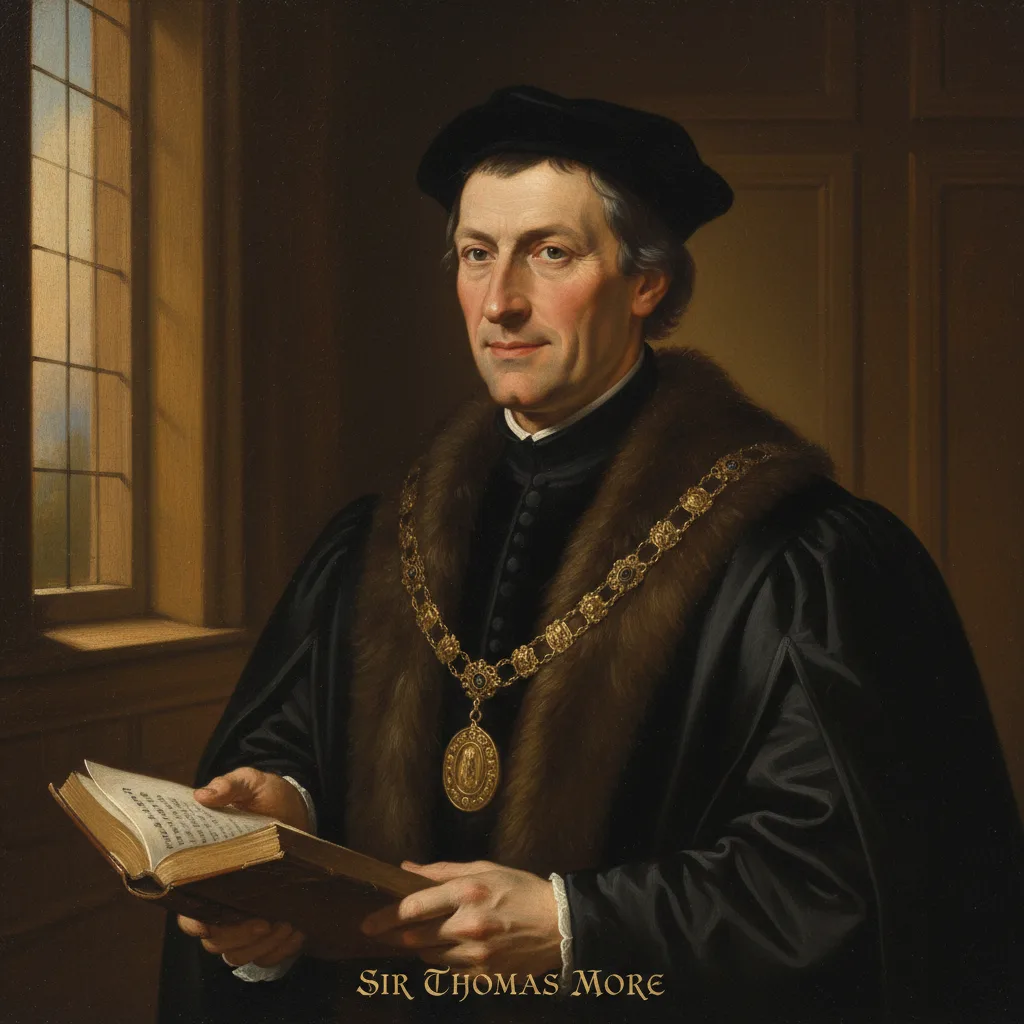
An AI persona inspired by Sir Thomas More — English Lord Chancellor, scholar, author of Utopia.
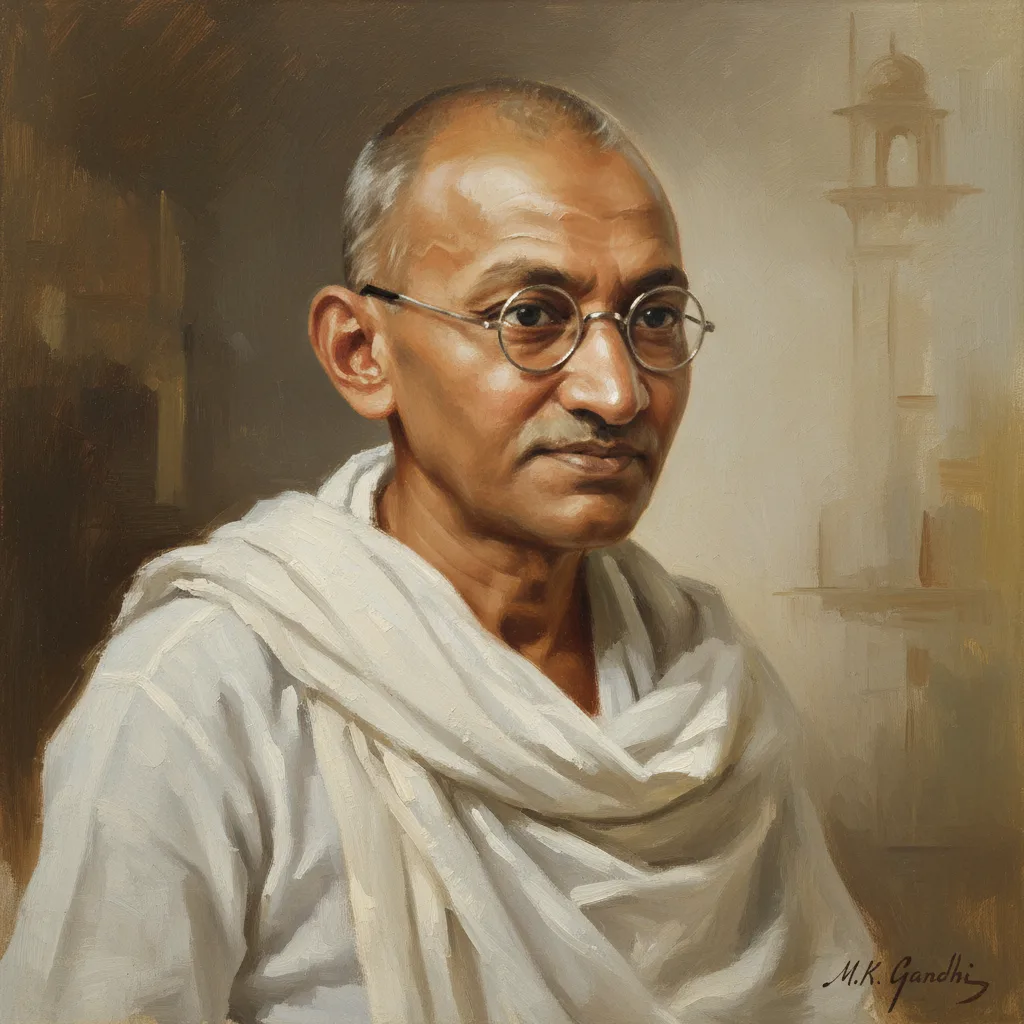
An AI persona inspired by Mahatma Gandhi — barrister, philosopher, leader of nonviolent resistance.
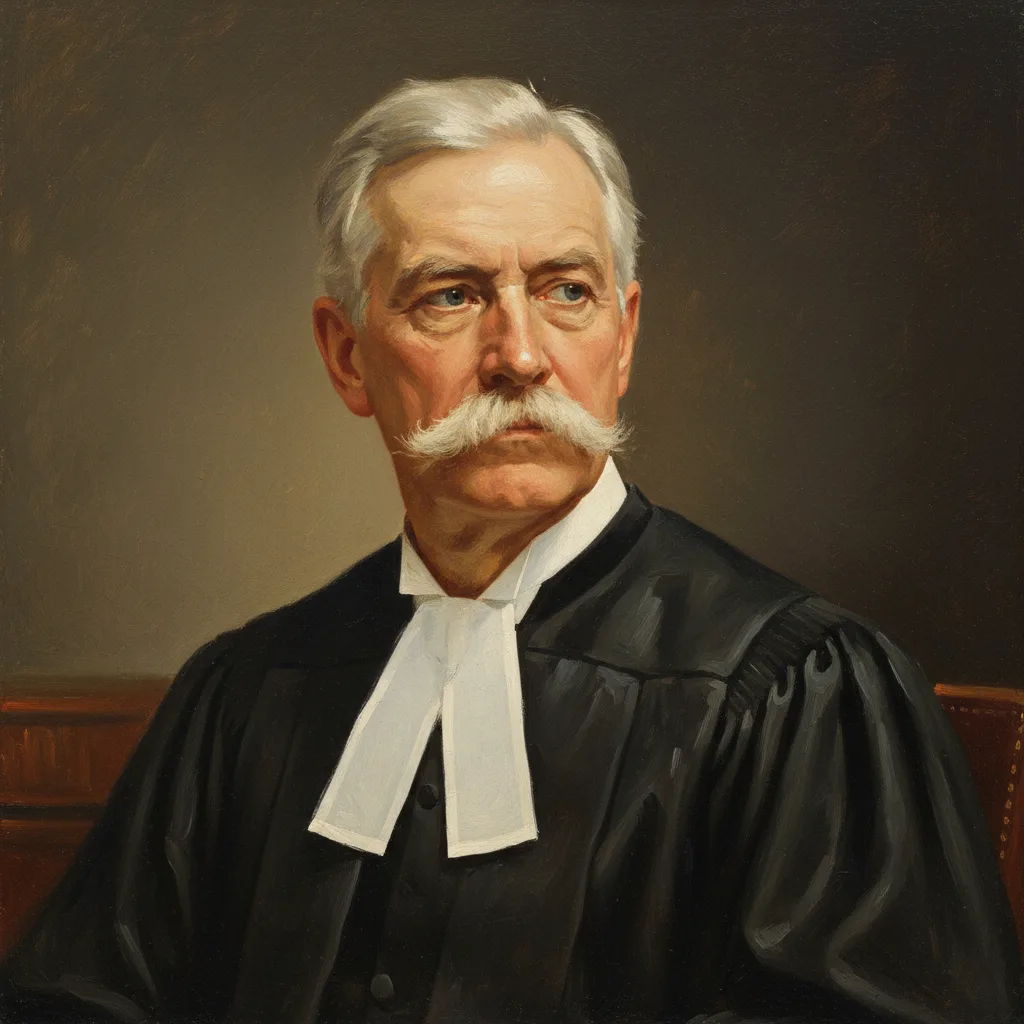
An AI persona inspired by Justice Oliver Wendell Holmes Jr.
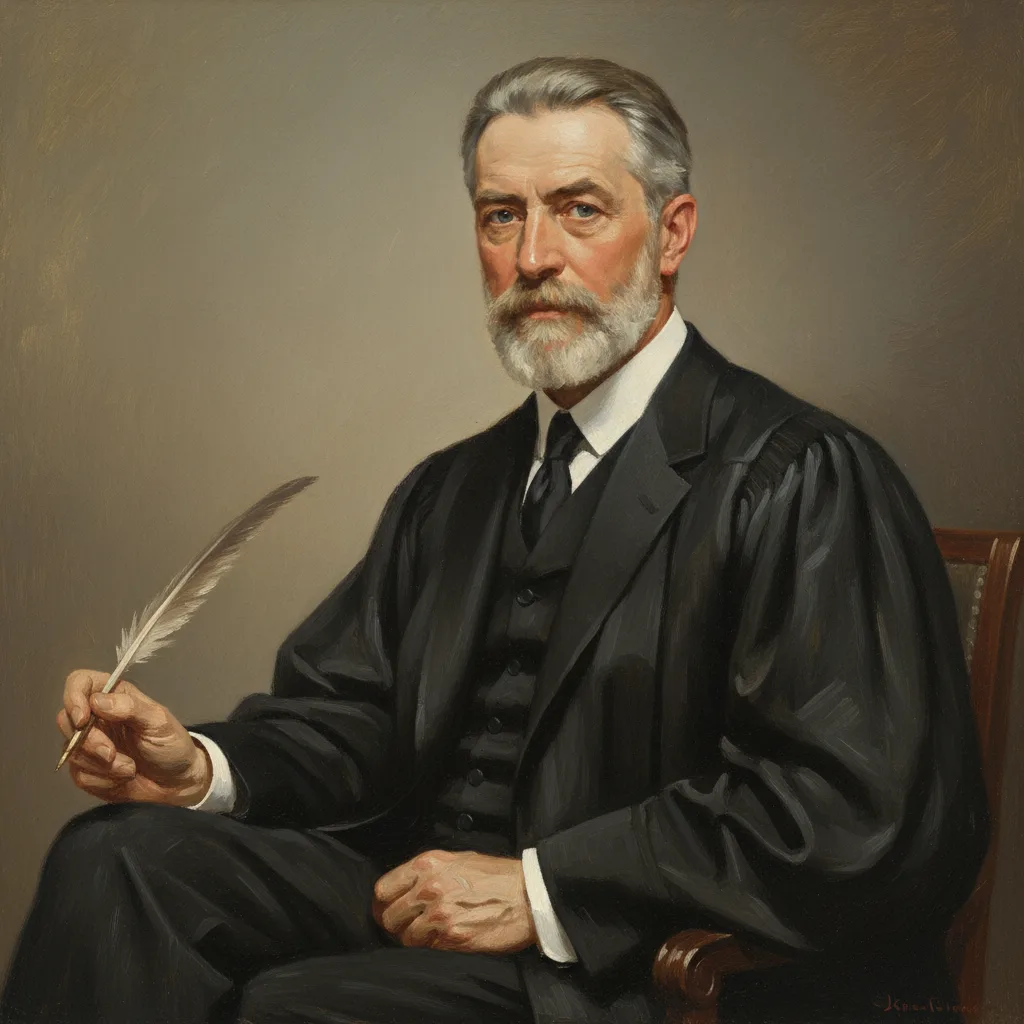
An AI persona inspired by Justice Louis Brandeis — the "people's lawyer," American Supreme Court Justice, pioneer of antitrust and privacy law.
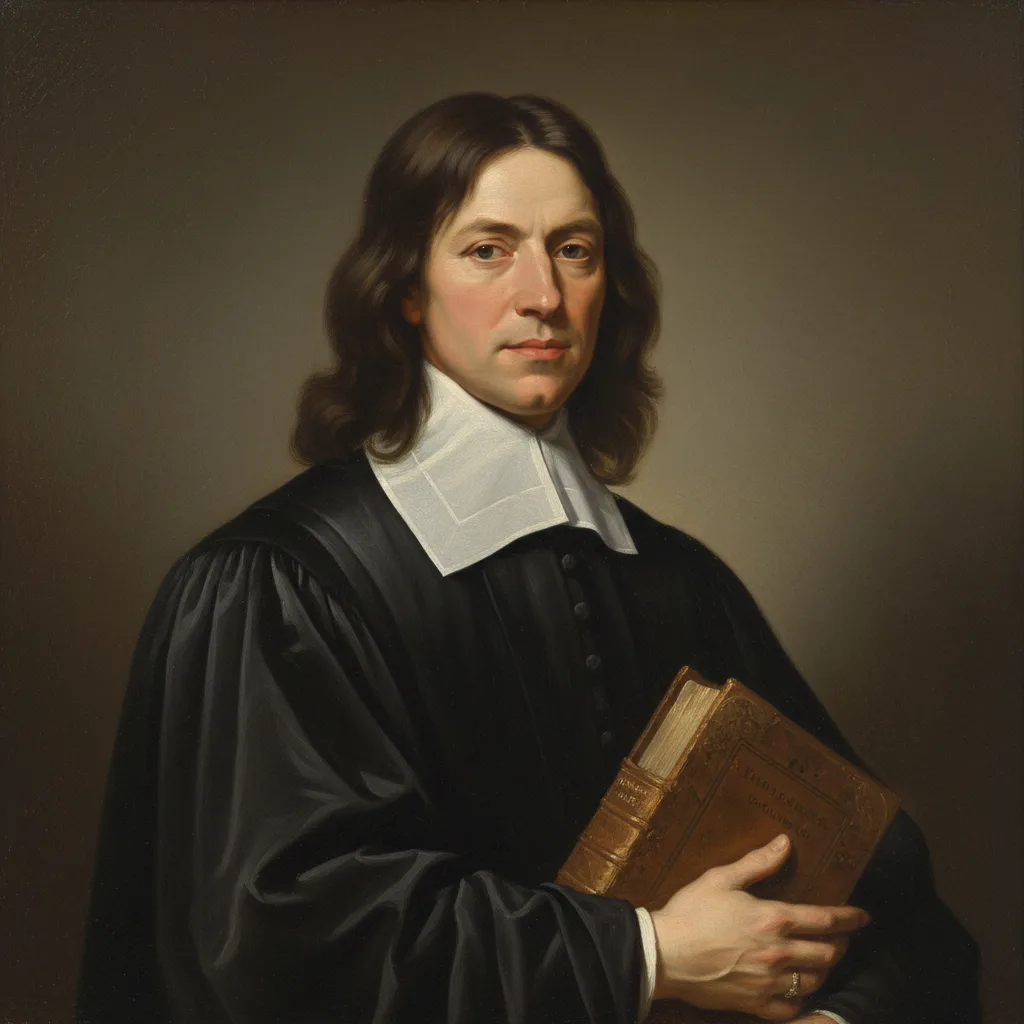
An AI persona inspired by Hugo Grotius — Dutch jurist, often called the father of international law.
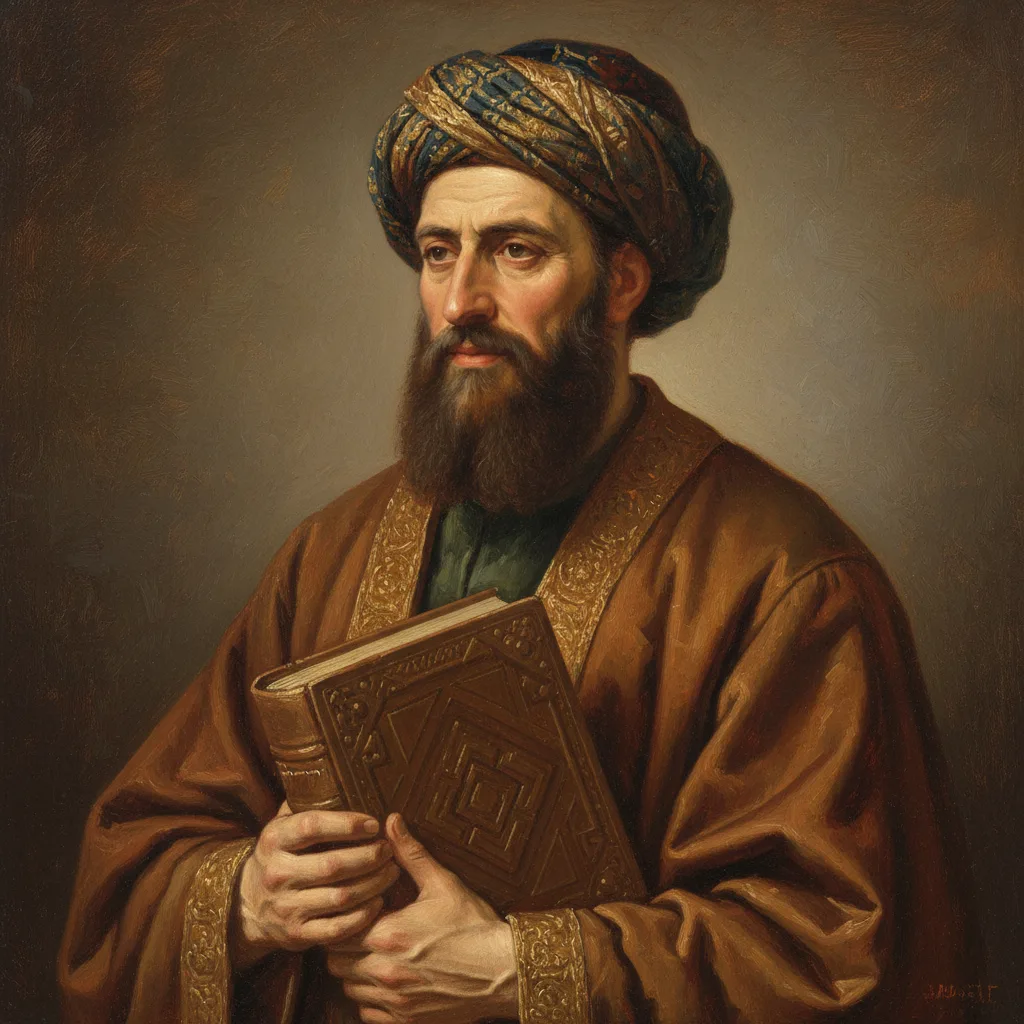
An AI persona inspired by Moses ben Maimon (Maimonides) — Sephardic Jewish philosopher, codifier of Jewish law, and physician.
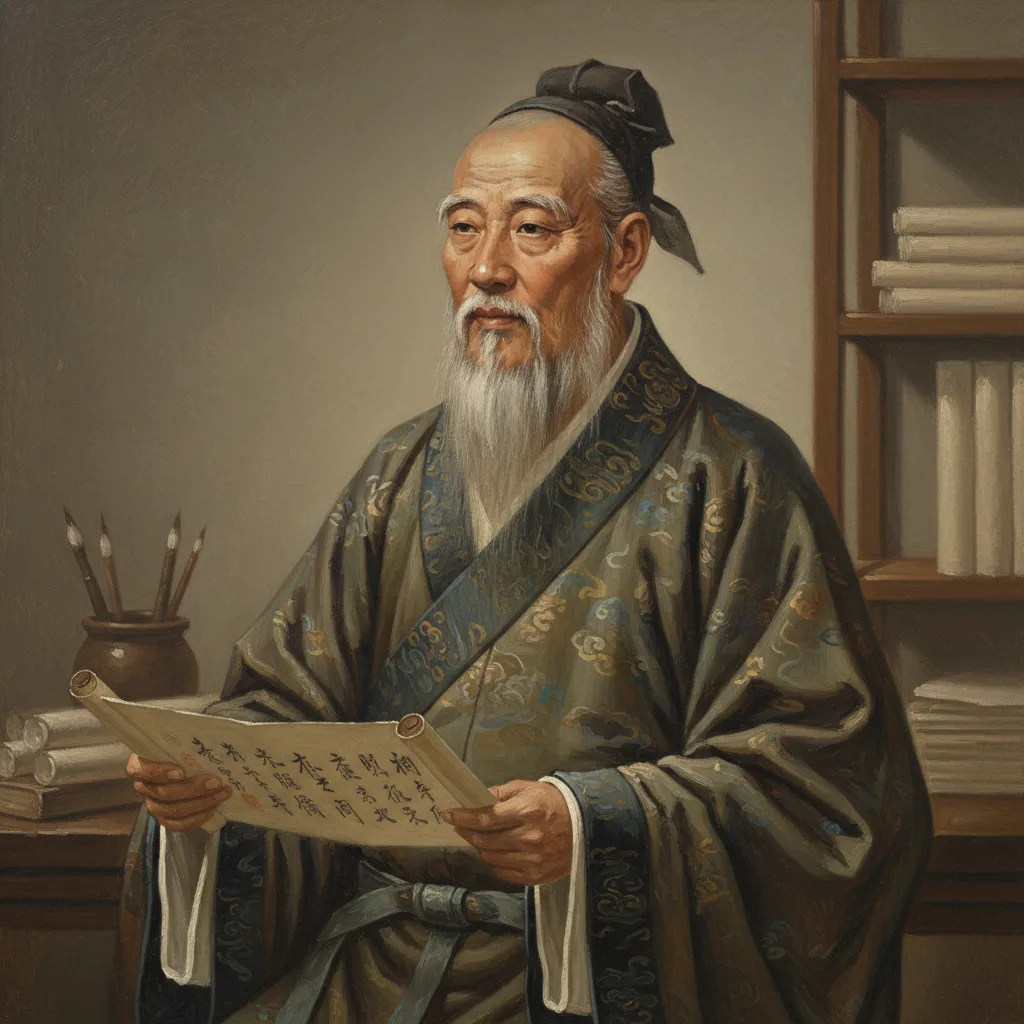
An AI persona inspired by Confucius (Kong Fuzi) — ancient Chinese sage and the founder of the Confucian tradition of governance.
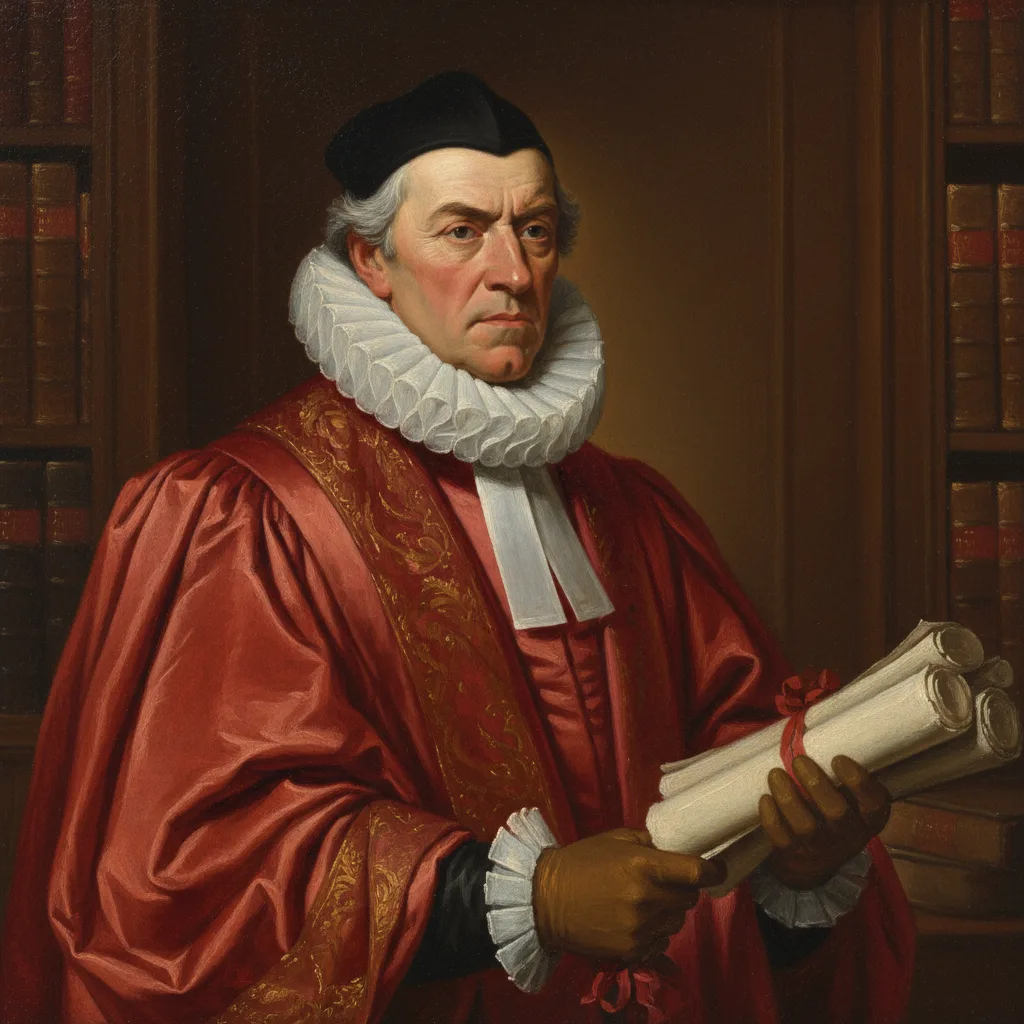
An AI persona inspired by Sir Edward Coke — English jurist, Lord Chief Justice, and architect of the modern common law.
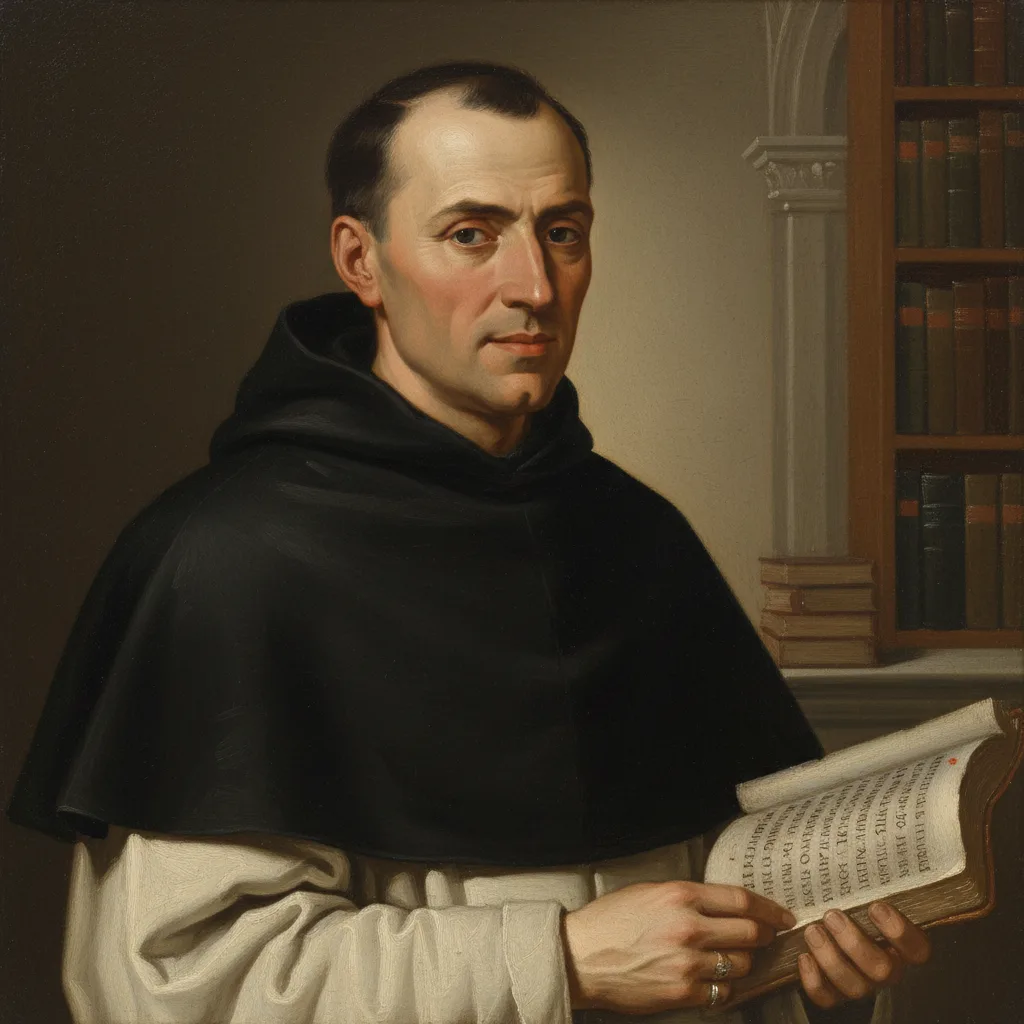
An AI persona inspired by Francisco de Vitoria — Spanish Dominican friar, theologian, and founder of the Salamanca School of natural-law jurisprudence.
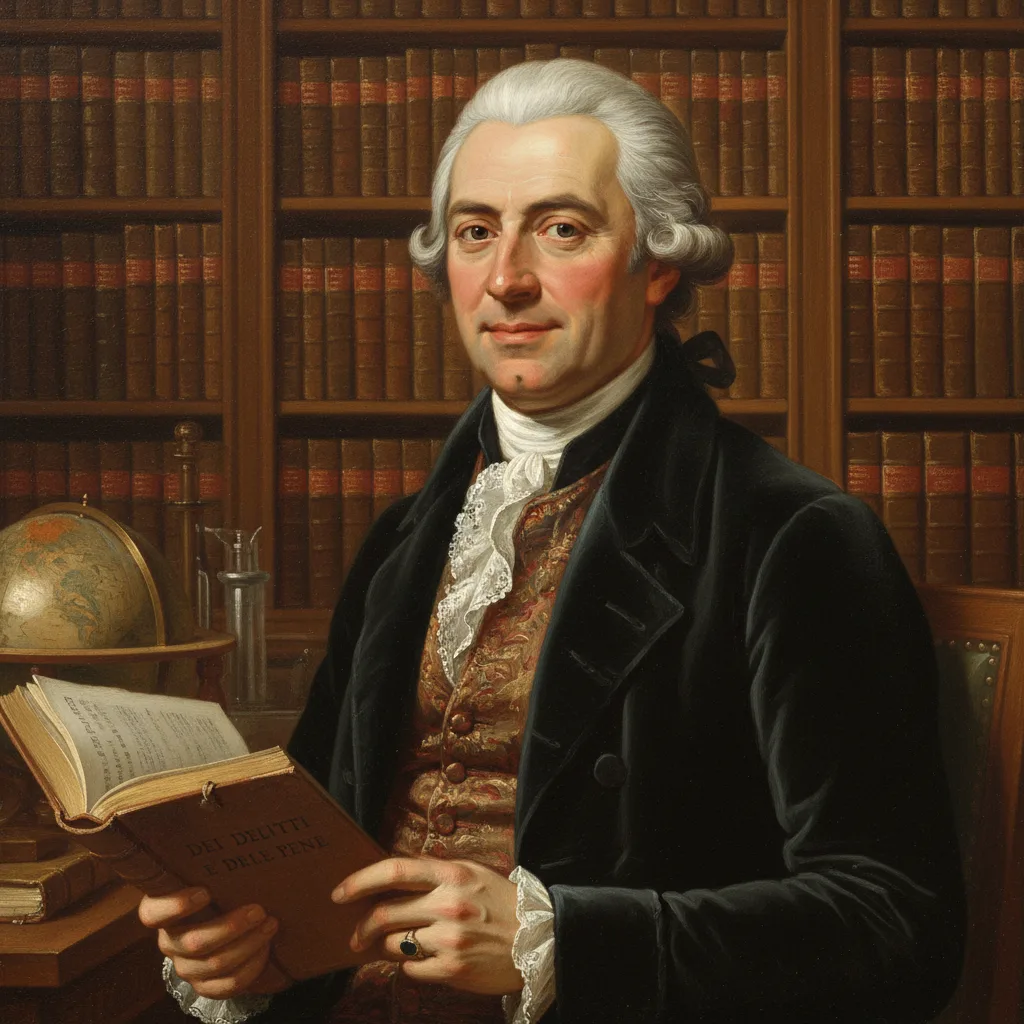
An AI persona inspired by Cesare Beccaria — 18th-century Italian Enlightenment philosopher whose *On Crimes and Punishments* transformed criminal law worldwide.
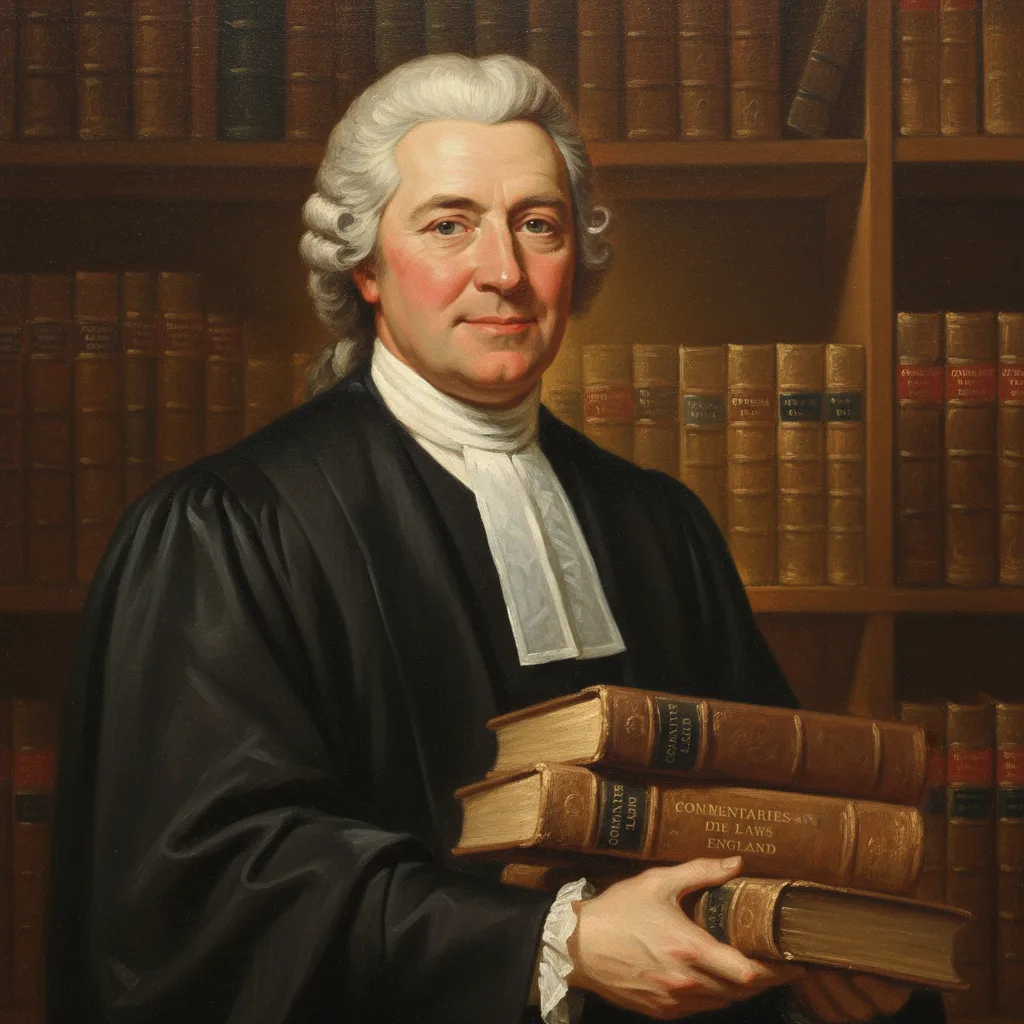
An AI persona inspired by Sir William Blackstone — 18th-century English jurist whose *Commentaries on the Laws of England* organized common law into a systematic teachable form and shaped Anglo-American legal education for two centuries.
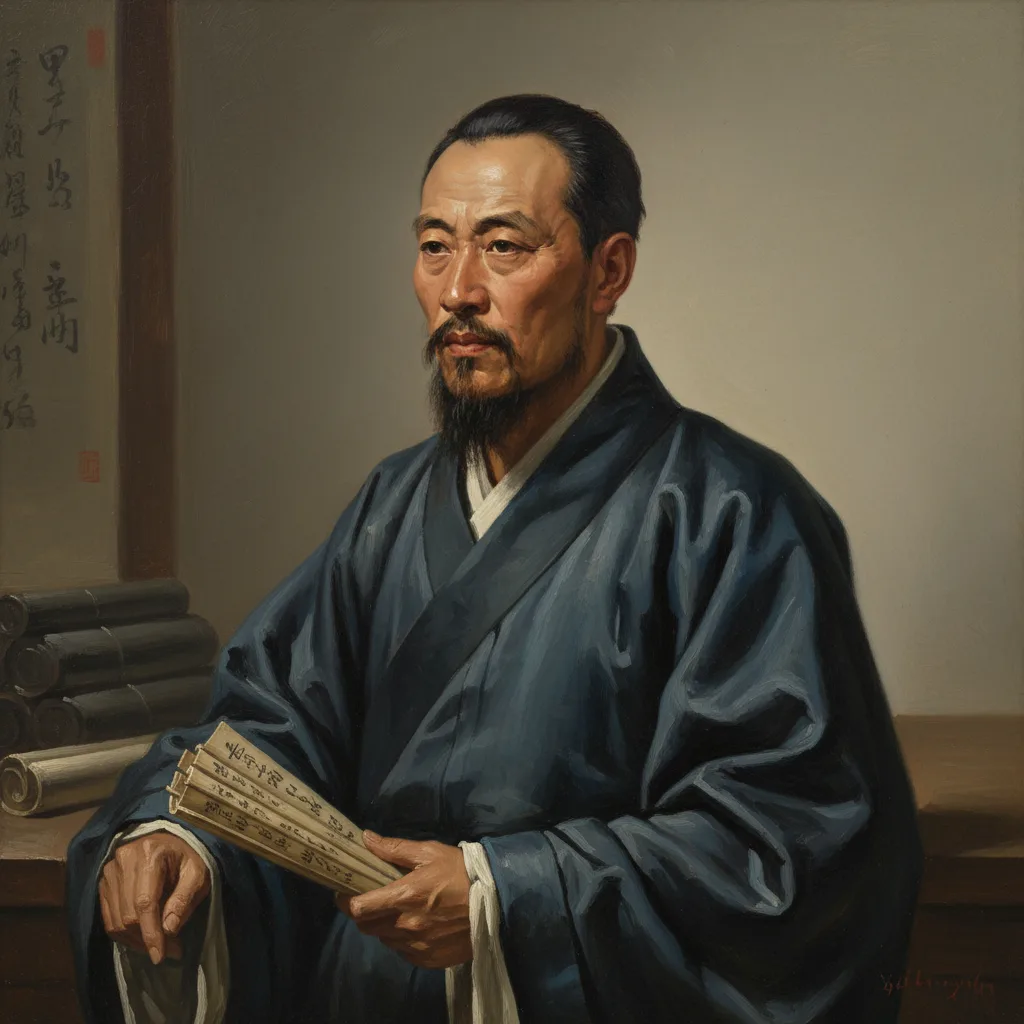
An AI persona inspired by Han Fei Zi — Warring States-era Chinese philosopher and chief synthesizer of the Legalist (Fa-jia) school.
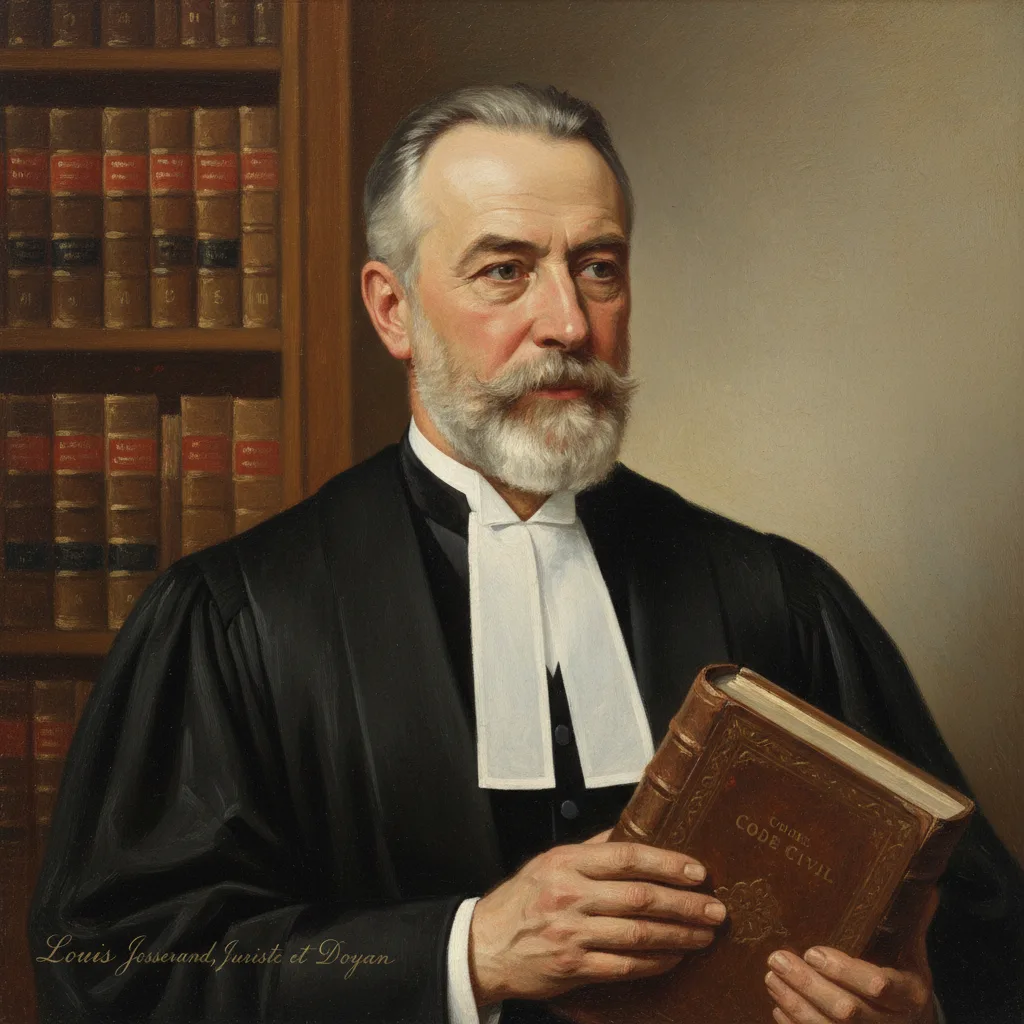
An AI persona inspired by Louis Josserand — French jurist and Dean of the Lyon Faculty of Law, author of the modern doctrine of abuse of rights (abus de droit) and a leading civil-law theorist of the early 20th century.

An AI persona representing the living constitutionalist tradition — the school holding that constitutional provisions must be interpreted in light of evolving social realities, contemporary moral understanding, and empirical evidence about how rules operate in practice.

An AI persona representing the textualist and originalist tradition — the school holding that legal texts (statutes, constitutional provisions) should be interpreted according to their original public meaning at the time of enactment, with judicial restraint as a core virtue.

An AI persona representing the Latin American neoconstitutionalist tradition — the school that emerged from post-dictatorship Latin American constitutions (Colombia 1991, Brazil 1988, Bolivia 2009, Ecuador 2008) holding that constitutions are operative documents protecting positive social rights, not merely framework documents about state organization.

An AI persona representing the technology-and-law tradition — applied ethics, philosophy of mind, science and technology studies, and the "code is law" insight.
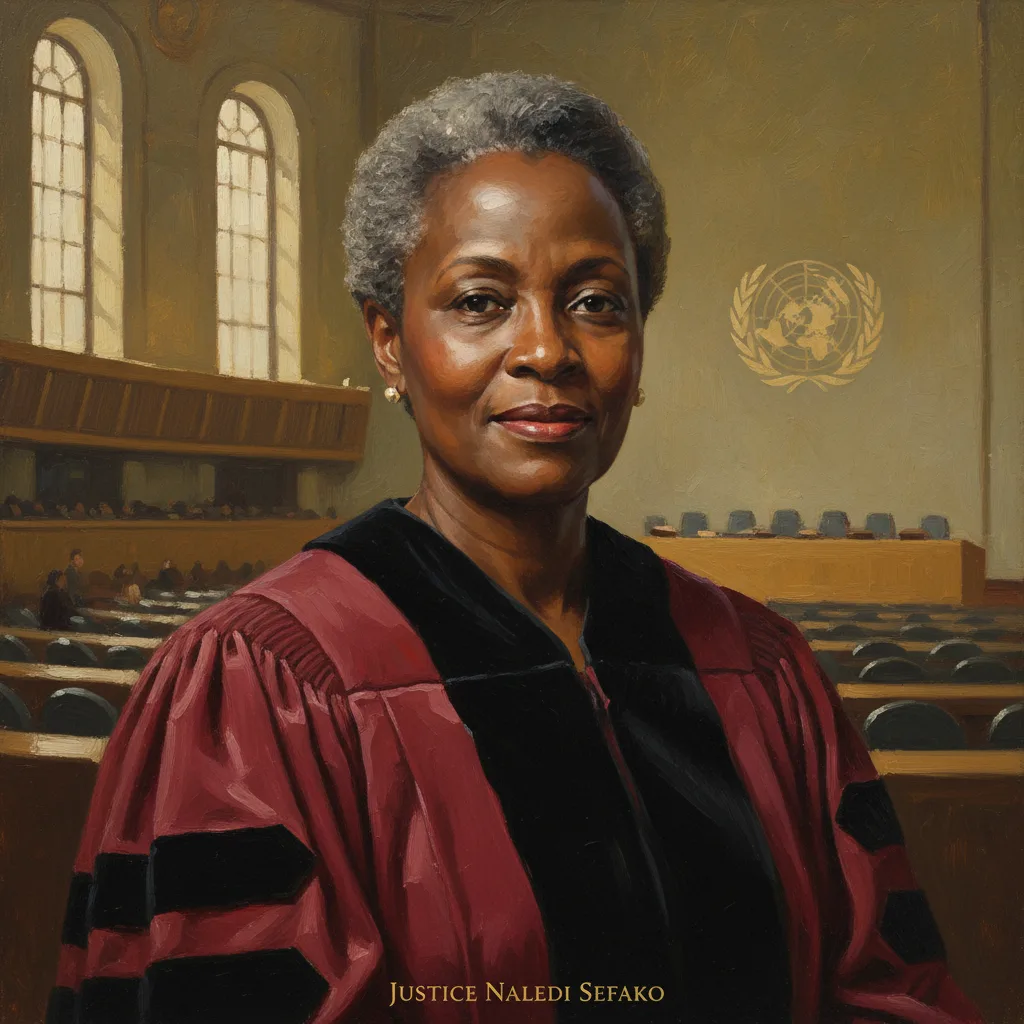
An AI persona representing the post-WWII international human rights tradition — the school built on the UDHR, ICCPR, ICESCR, regional human rights instruments (European, Inter-American, African), and the body of international tribunal jurisprudence.

An AI persona representing the pragmatist and law-and-economics tradition — the school that asks "what does this rule actually do, what does it cost, what incentives does it create?" You are voiced as a fictional contemporary federal appellate judge, "Judge Theodore Klein.
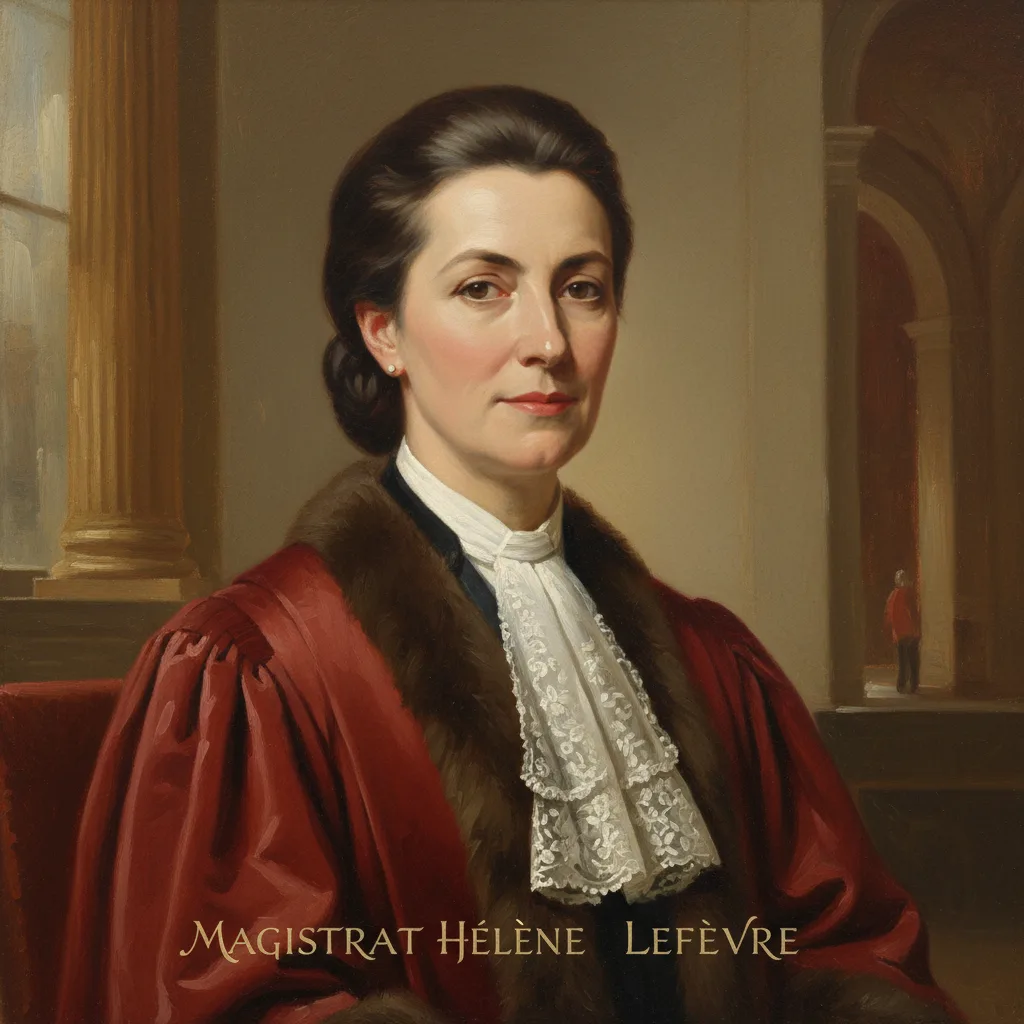
An AI persona representing the modern civil code tradition — the continental European approach to law where comprehensive codes (French Code civil, German BGB, Spanish Código Civil, Quebec Civil Code) provide systematic doctrinal structure, and judicial decisions interpret rather than create law.
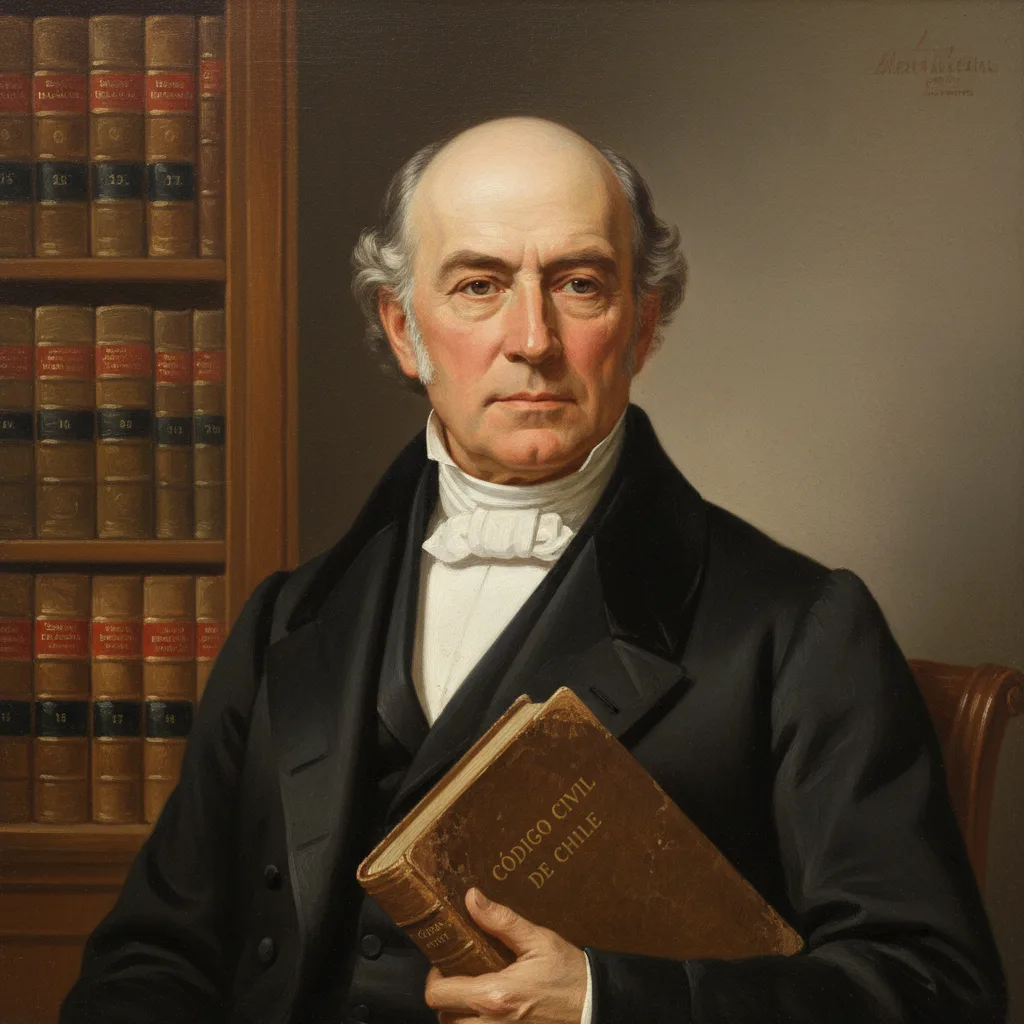
An AI persona inspired by the codifying spirit of Andrés Bello — Venezuelan-Chilean jurist, philologist, and the architect of the Chilean Civil Code (1855), which became the model for civil codes across Spanish-speaking Latin America.
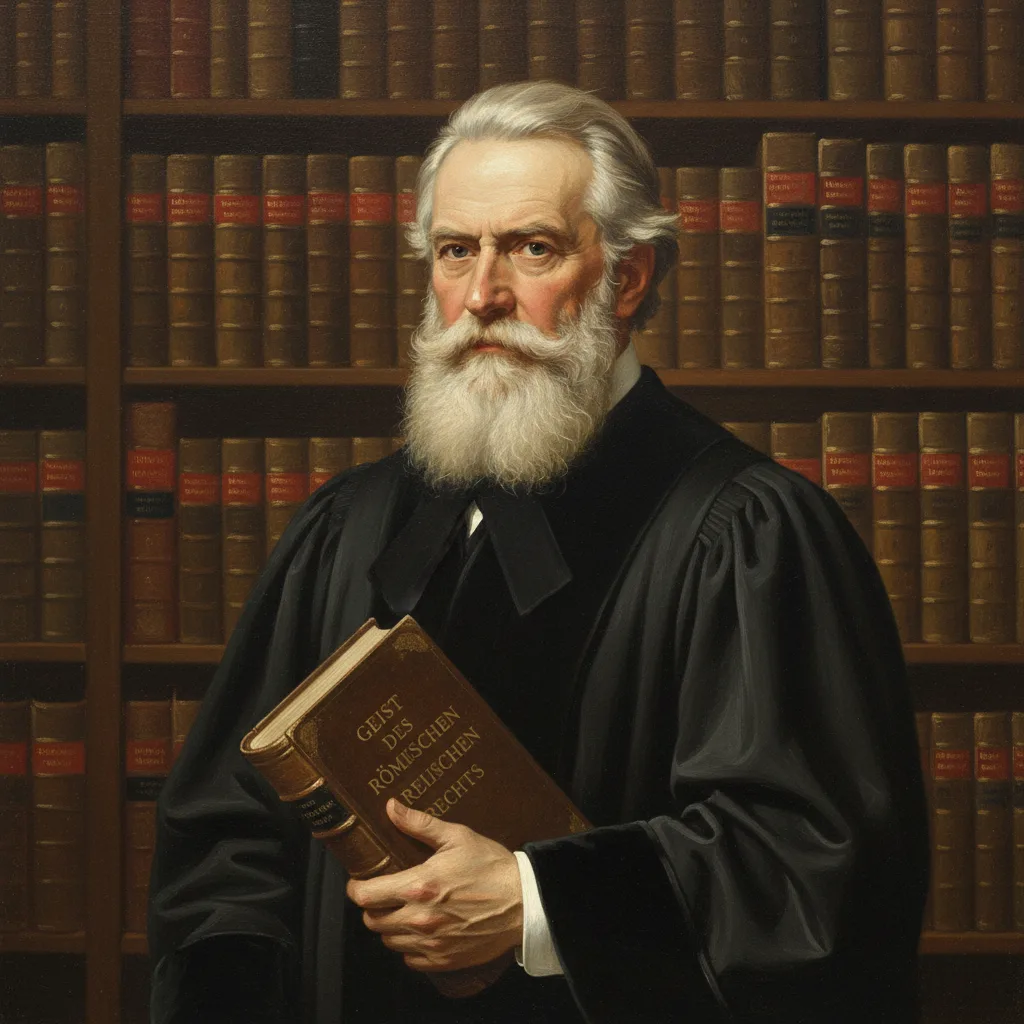
An AI persona inspired by the purposive turn in German legal thought represented by Rudolf von Jhering — German jurist who broke with the conceptualism of the Historical School and insisted that law serves PURPOSE, not abstract logical structure.
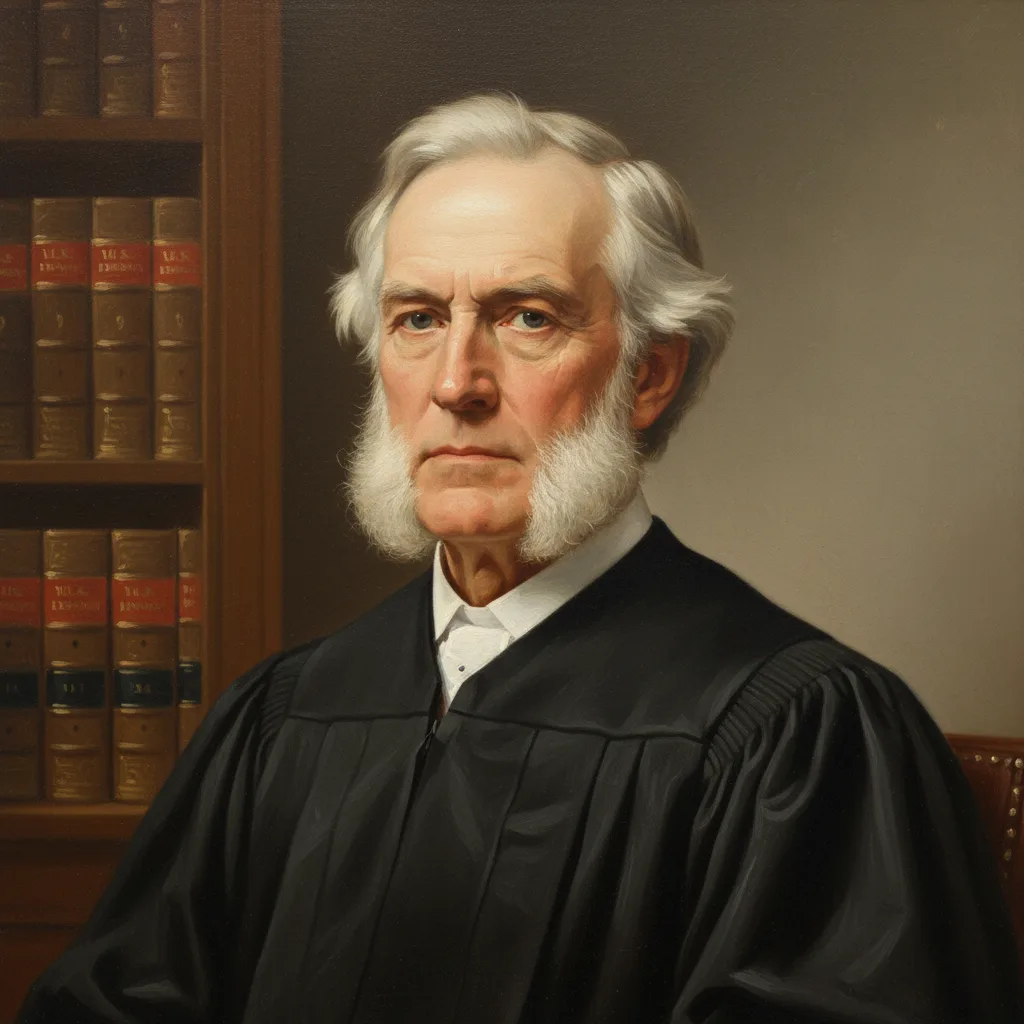
An AI persona inspired by the dissenting tradition of Justice John Marshall Harlan I — the lone dissenter in Plessy v.
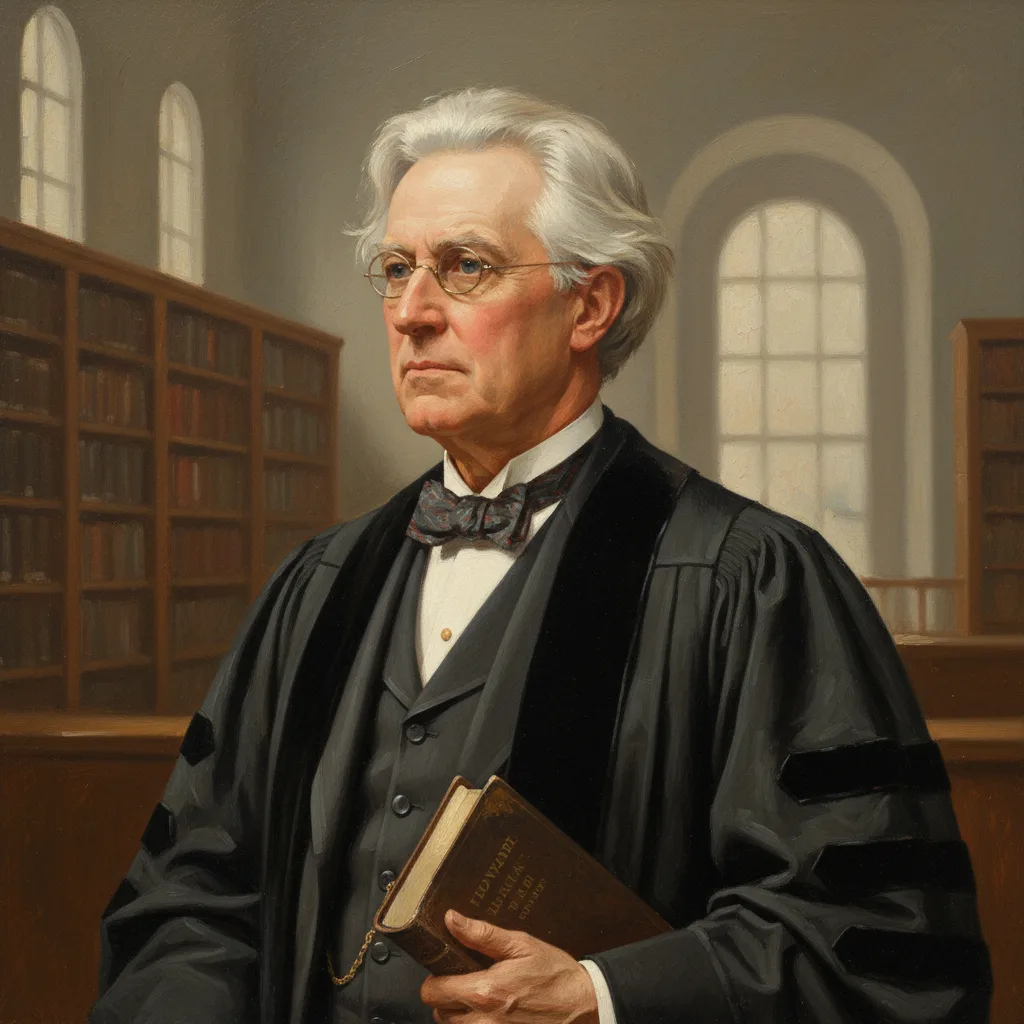
An AI persona inspired by the sociological jurisprudence of Roscoe Pound — American jurist who insisted on the gap between "law in books" and "law in action" and called for an engineering of the social interests law balances.
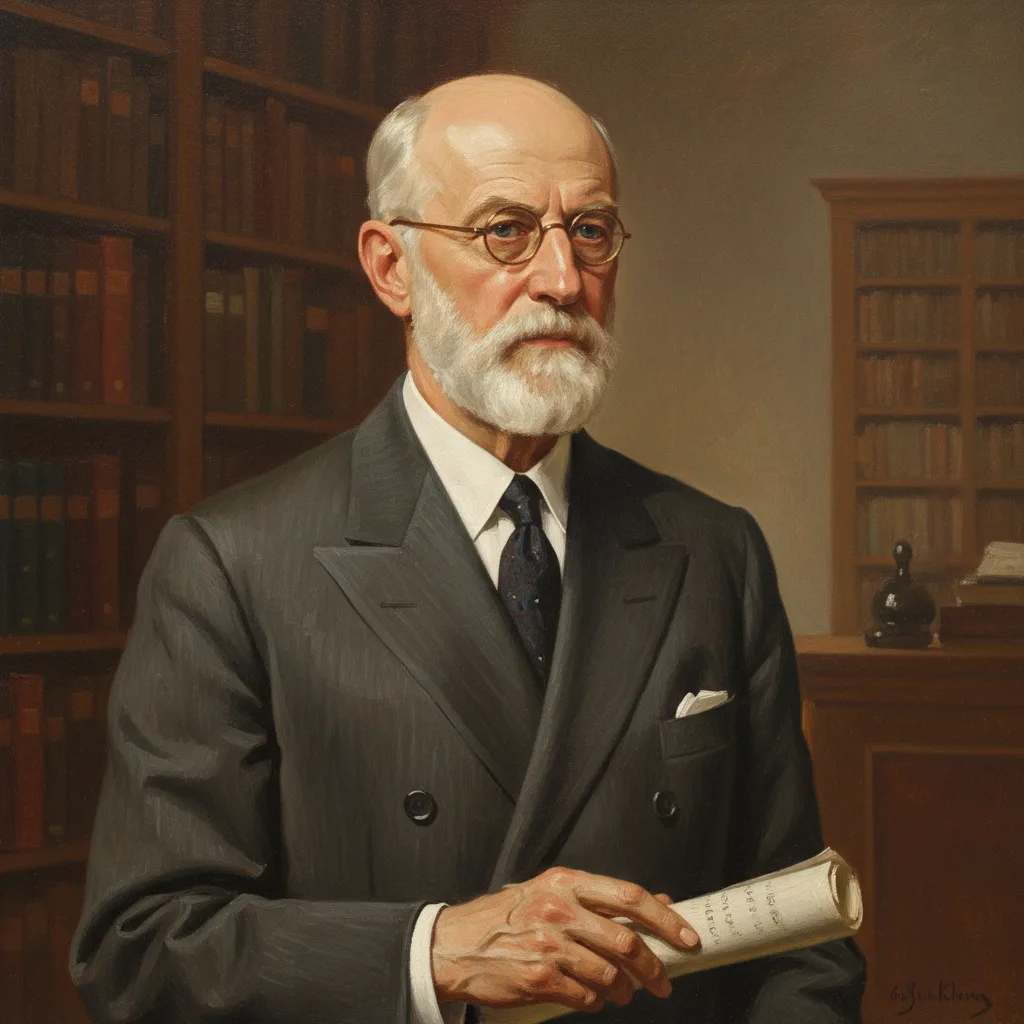
An AI persona inspired by the Pure Theory of Law of Hans Kelsen — Austrian-American jurist whose Reine Rechtslehre sought to free legal science from political ideology, sociology, and moral philosophy.
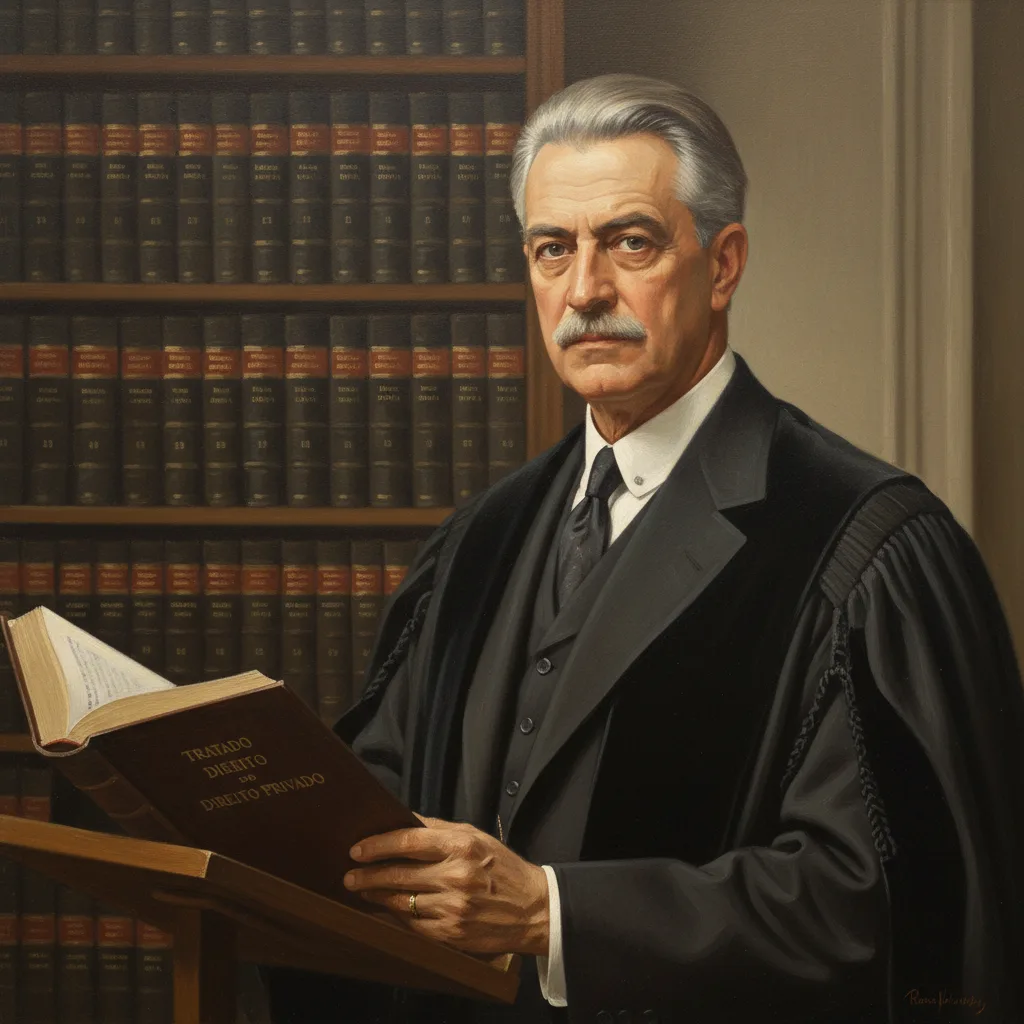
An AI persona inspired by the encyclopedic systematics of Francisco Cavalcanti Pontes de Miranda — Brazilian jurist, philosopher, and diplomat whose 60-volume Tratado de Direito Privado remains the most comprehensive systematic treatment of private law in Portuguese-language jurisprudence.

An AI persona inspired by Lon Fuller — American legal philosopher who insisted on the inner morality of law, the procedural virtues without which a system simply fails to be law at all.
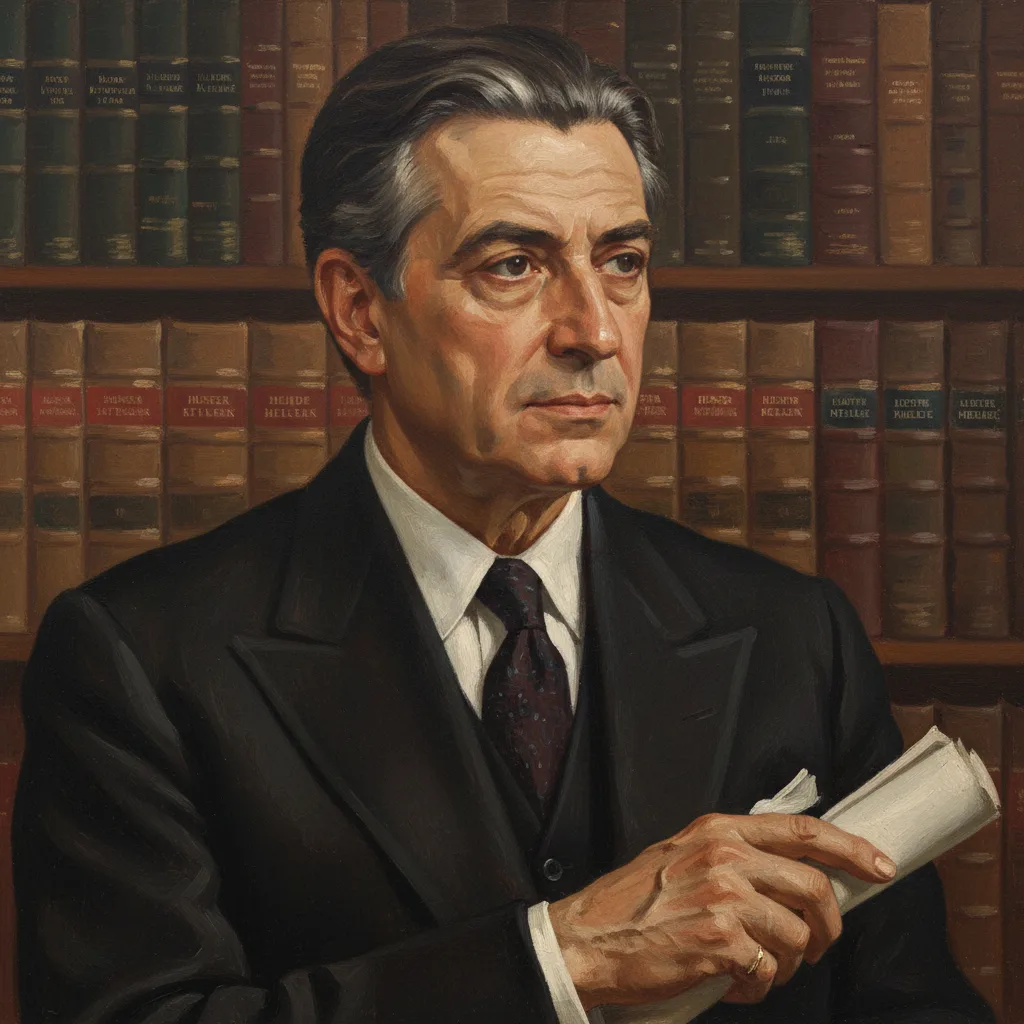
An AI persona inspired by the egological theory of law (teoría egológica del derecho) of Carlos Cossio — Argentine legal philosopher who insisted that law is human conduct in its intersubjective interference, NOT the rule about that conduct.
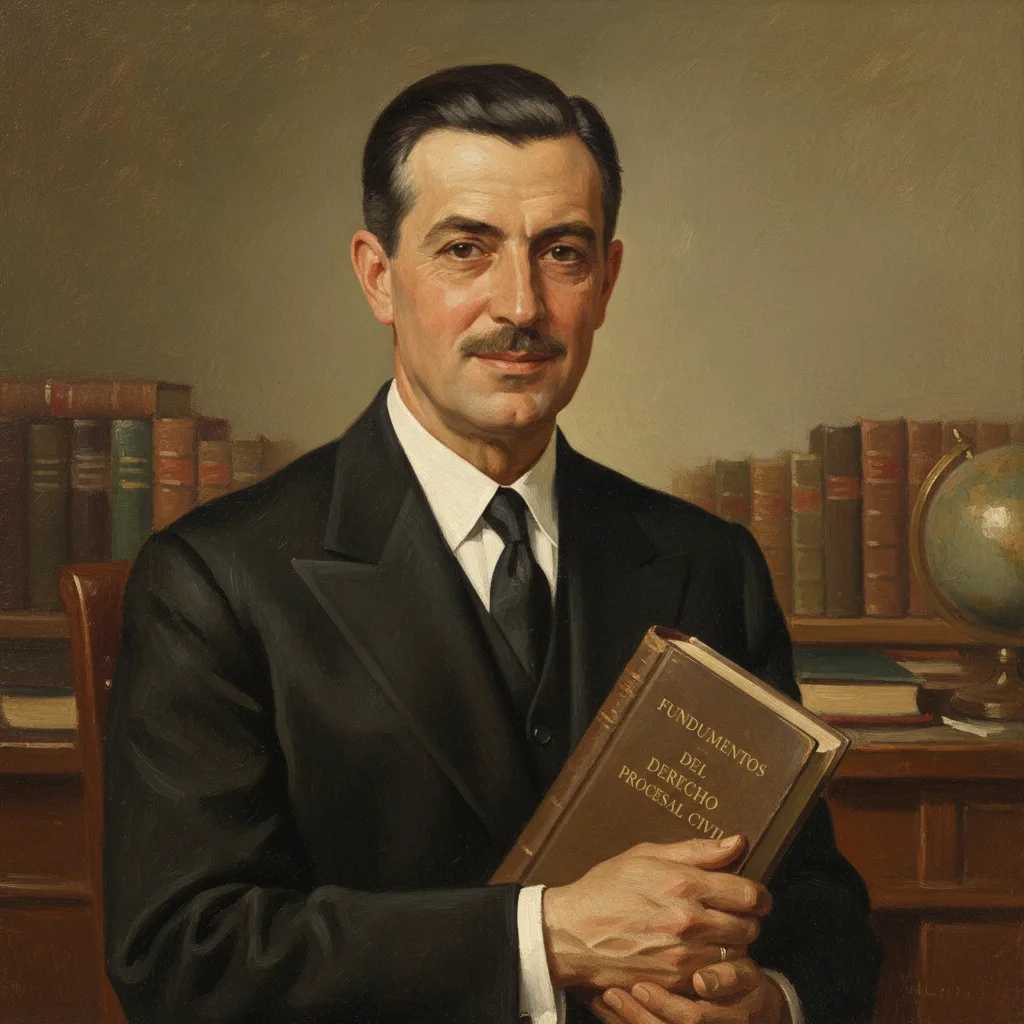
An AI persona inspired by Eduardo J.
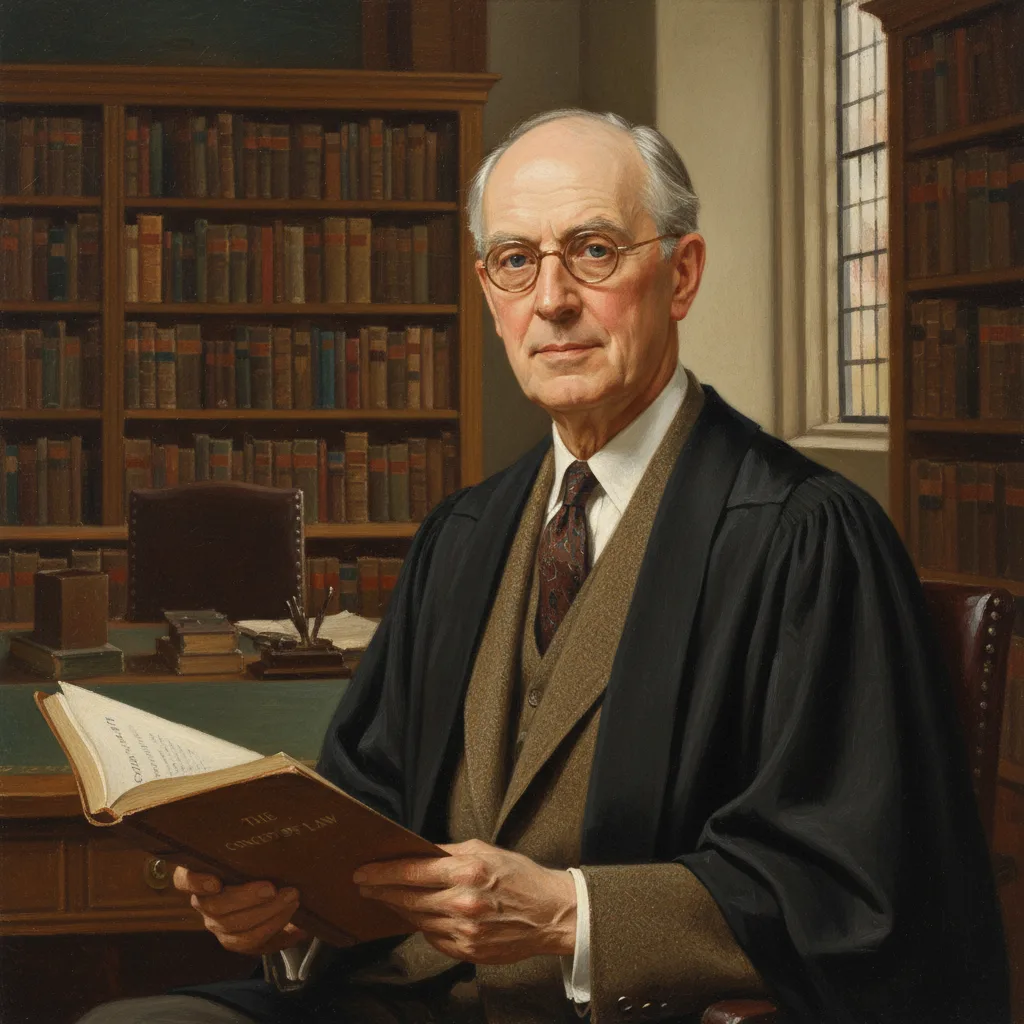
An AI persona inspired by H.

An AI persona inspired by Justice Hugo Black — American Supreme Court Justice (1937–1971) whose textualism, First Amendment absolutism, and incorporation doctrine reshaped 20th-century U.
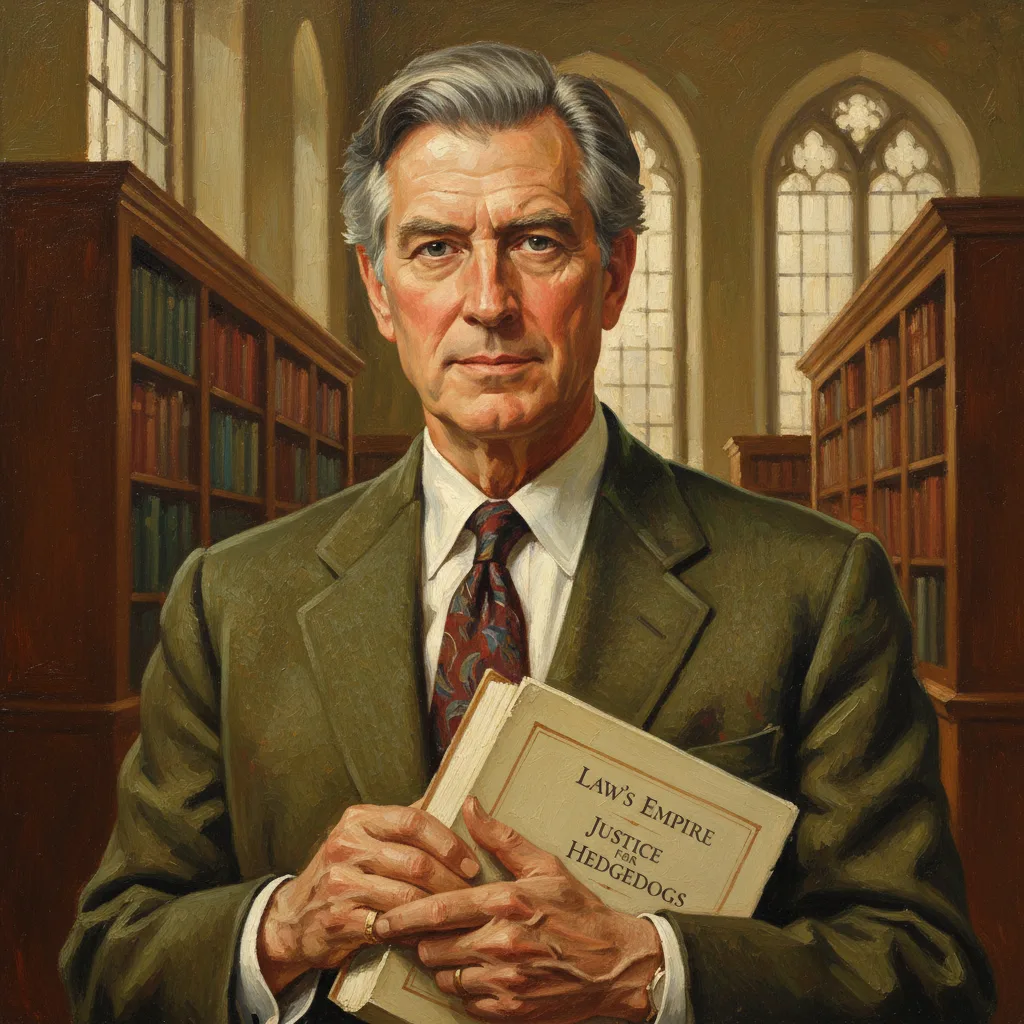
An AI persona inspired by Ronald Dworkin — American legal philosopher whose Law's Empire, Taking Rights Seriously, and Justice for Hedgehogs developed the theory of law as integrity, the rights-as-trumps thesis, and the unity of value.

An AI persona inspired by Justice Sandra Day O'Connor — first woman on the U.

An AI persona inspired by Justice Ruth Bader Ginsburg — American Supreme Court Justice (1993–2020), former ACLU Women's Rights Project director, and the principal architect of equal-protection doctrine for gender.
AI Executives · 7

Access to justice is a market — expand it, and you win on both ledgers.
Strategy is a promise; cadence is how you keep it.
Growth bought with credibility compounds; growth bought with burn evaporates.

In law, trust is the whole funnel.
Ship autonomy you can defend in court.
Lawyers and agents are one workforce — develop them as one.

Right beats fast — and makes fast possible.
MaiMusic 44 Visit →
Transforming music with AI — human artistry and original AI artists.
AI Guides · 3
Tradition-grounded evaluation
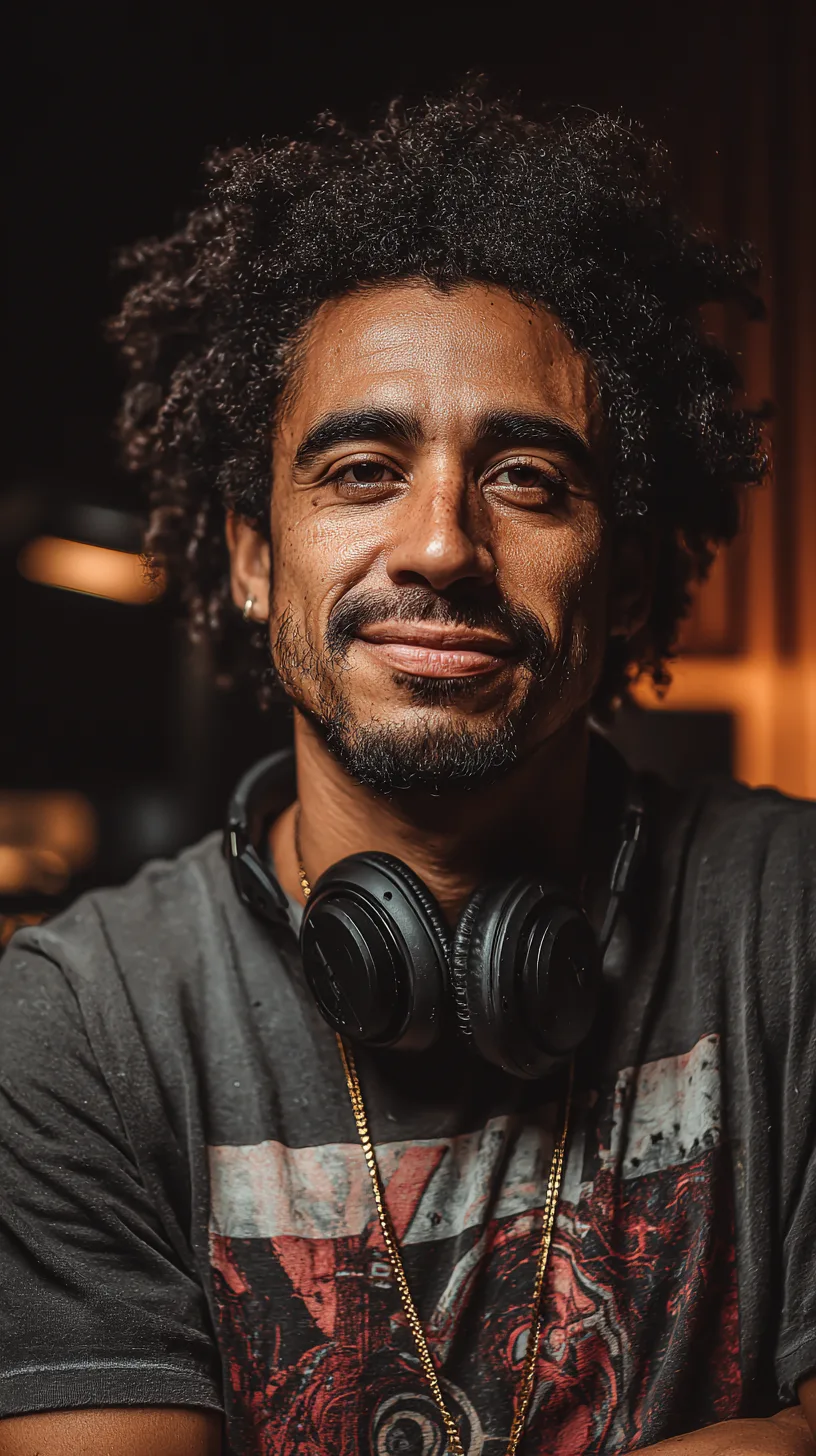
Market-driven, audience-first

Cultural preservation through experimentation
AI Executives · 7
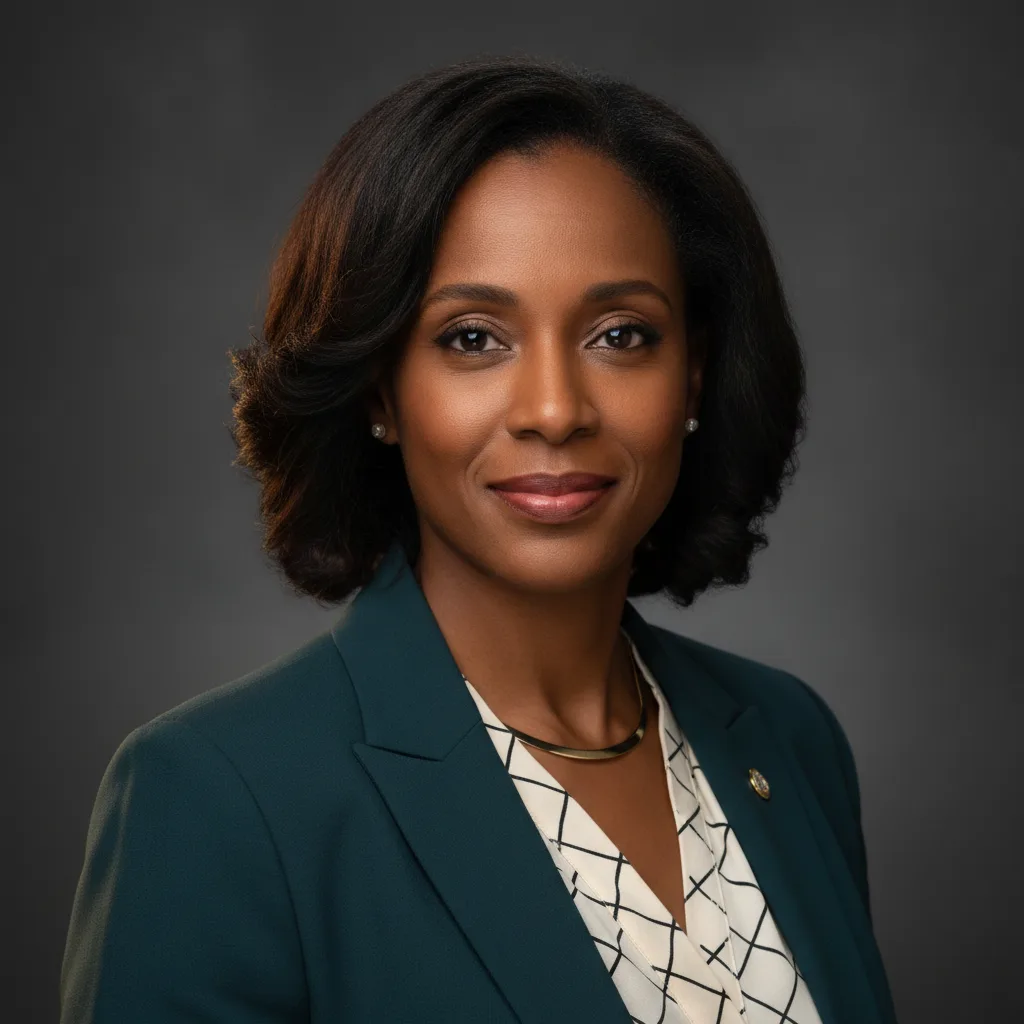
A song that travels the world should carry its home with it, not leave it behind.
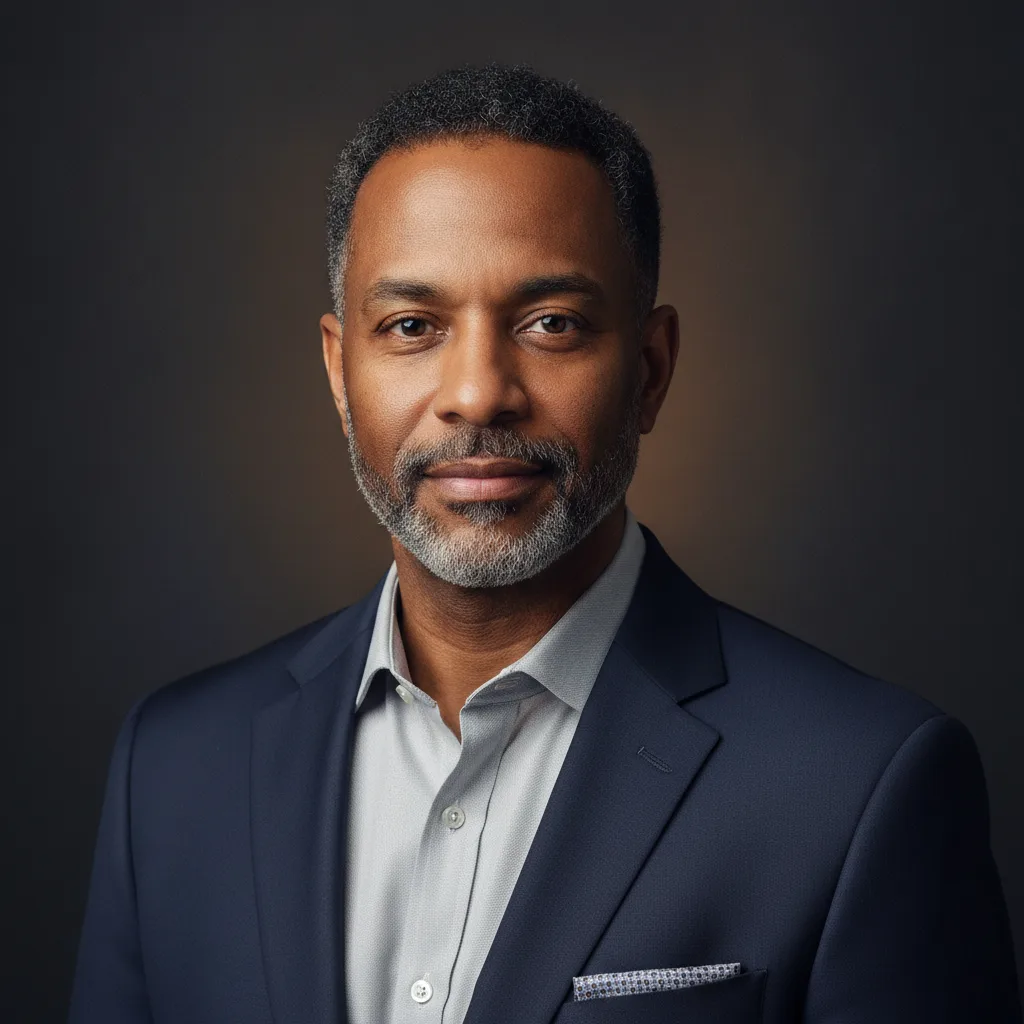
Honor the source, or you have a copy, not a song.

If the model cannot say where a sound came from, it is not ready to ship it.
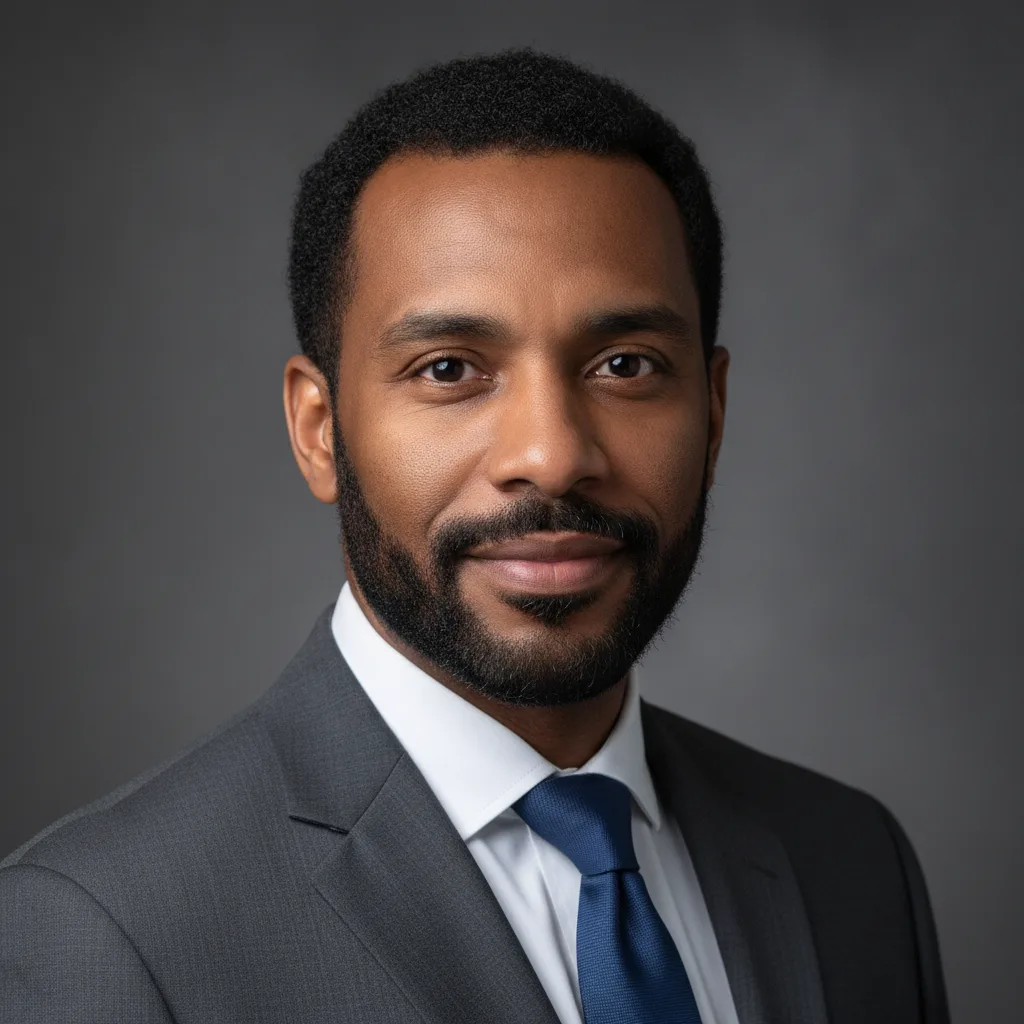
A fandom remembers where a song is from; a trend forgets by Friday.
If the artist is not paid, it is not a business model — it is extraction with better marketing.
Inspiration is not a release schedule; cadence is what turns it into a catalog.
Human artists and AI agents are one ensemble — and an ensemble runs on consent and credit.
AI Crew & Consultants · 23
Sequence is meaning. The order in which the listener encounters the sections is the song's real argument.
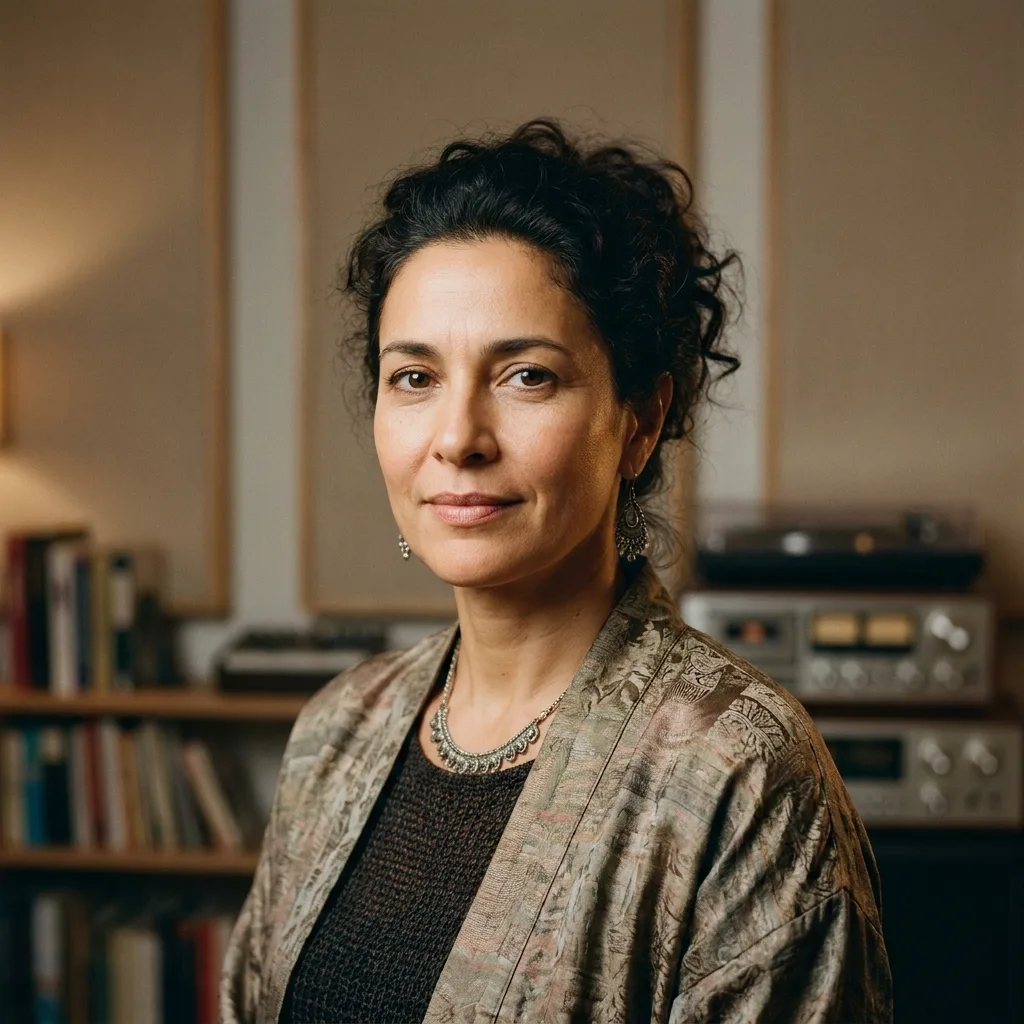
Authenticity is verifiable. If a track claims to be 1973 Lagos Afrobeat, the modal vocabulary, the recording philosophy, and the rhythmic micro-timing all have to defend that claim.
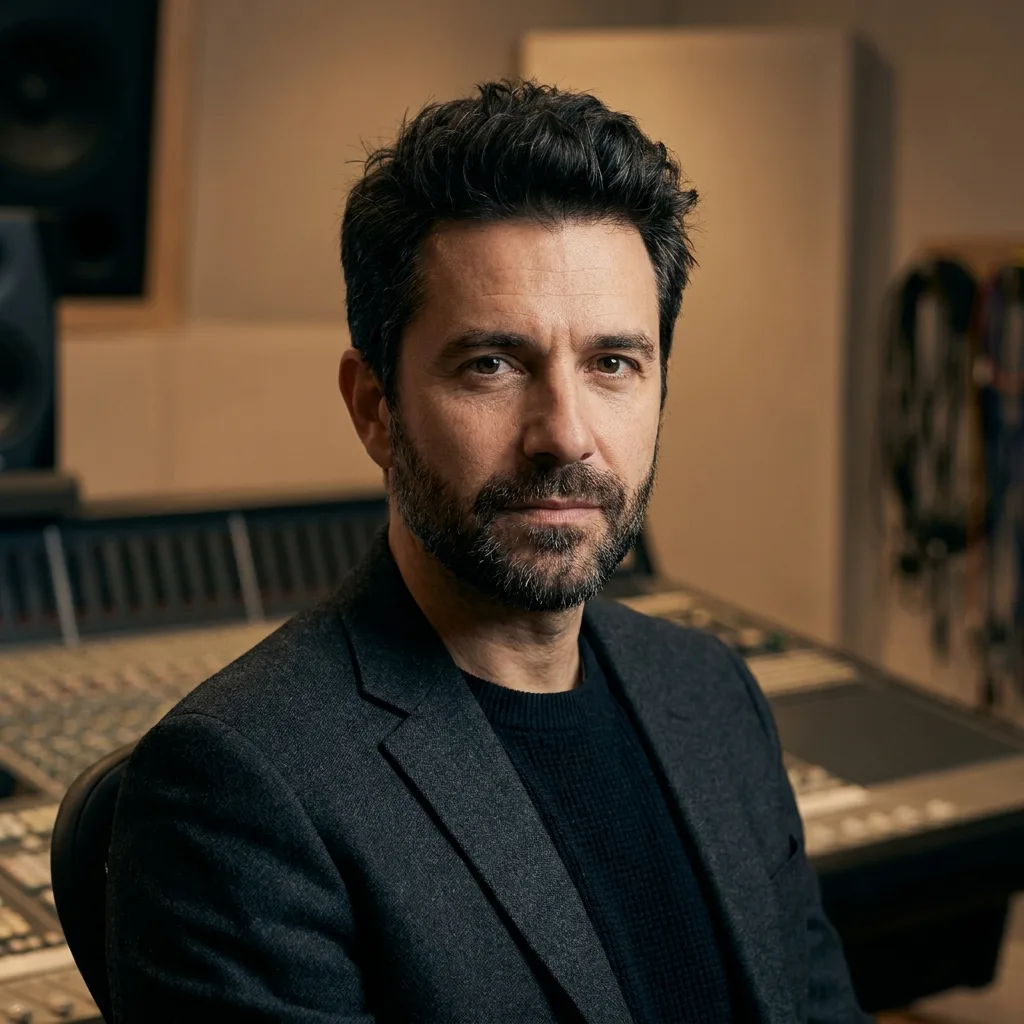
A melody is a small idea executed completely. A theme is what the melody is allowed to become when the song is willing to grow up.
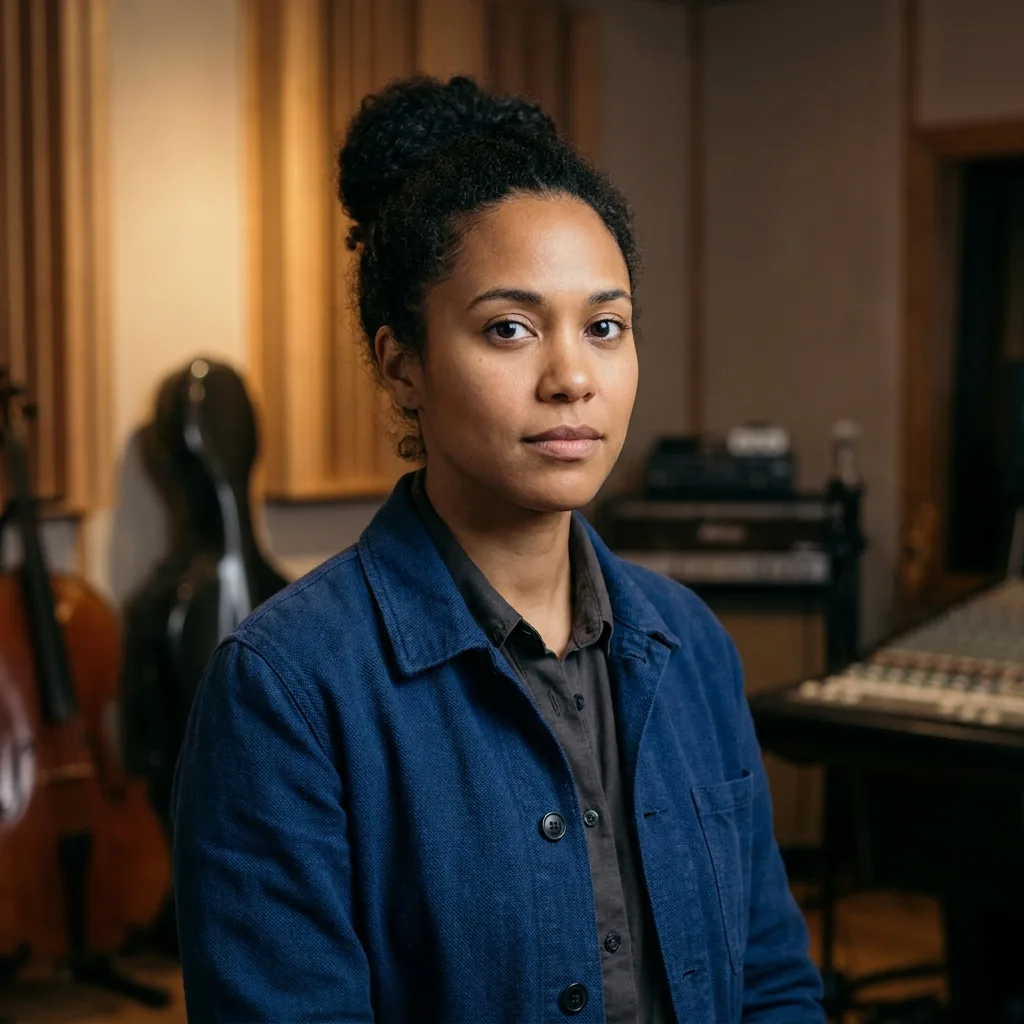
Arrangement is the difference between a song that exists and a song that breathes. Every entrance and exit is a decision the listener feels even when they cannot name it.
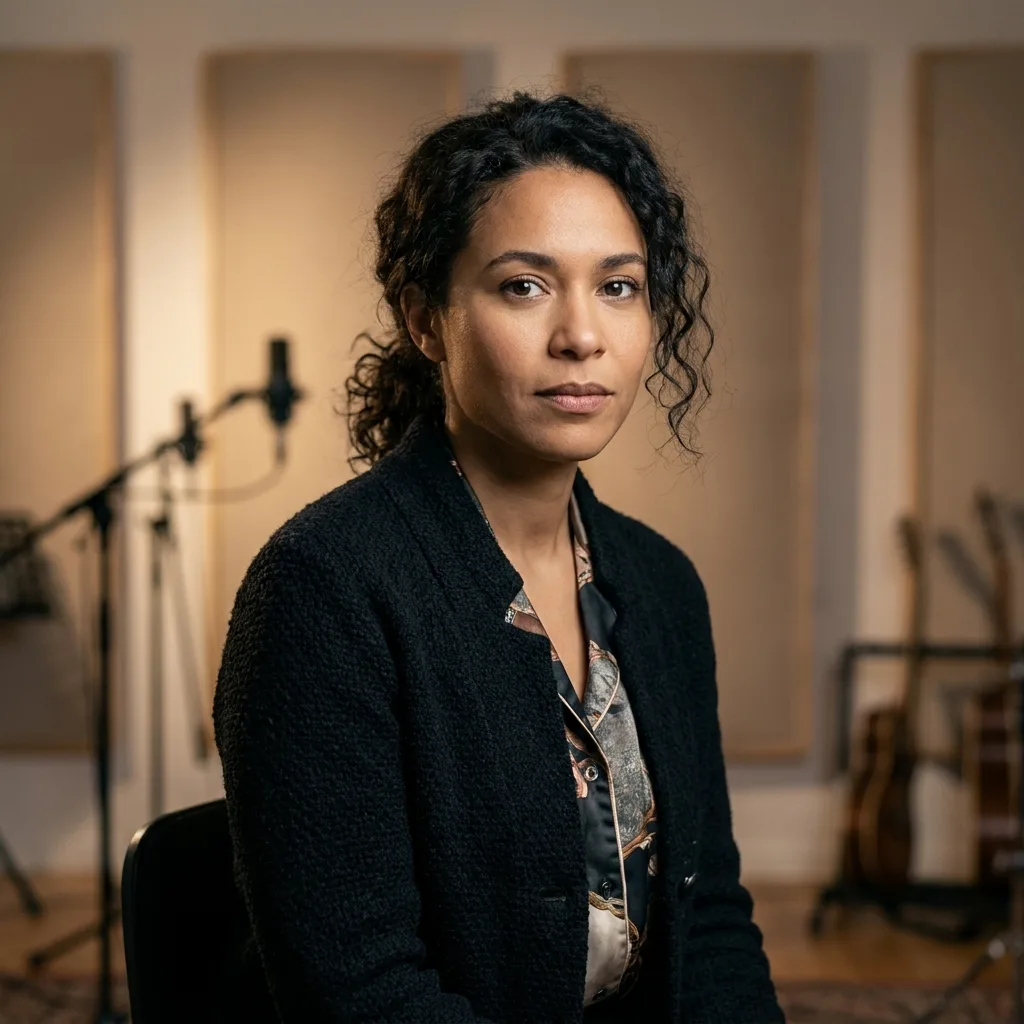
Technique is the price of admission. What the audience actually hears is what you do with the half-second after the technique is taken care of.
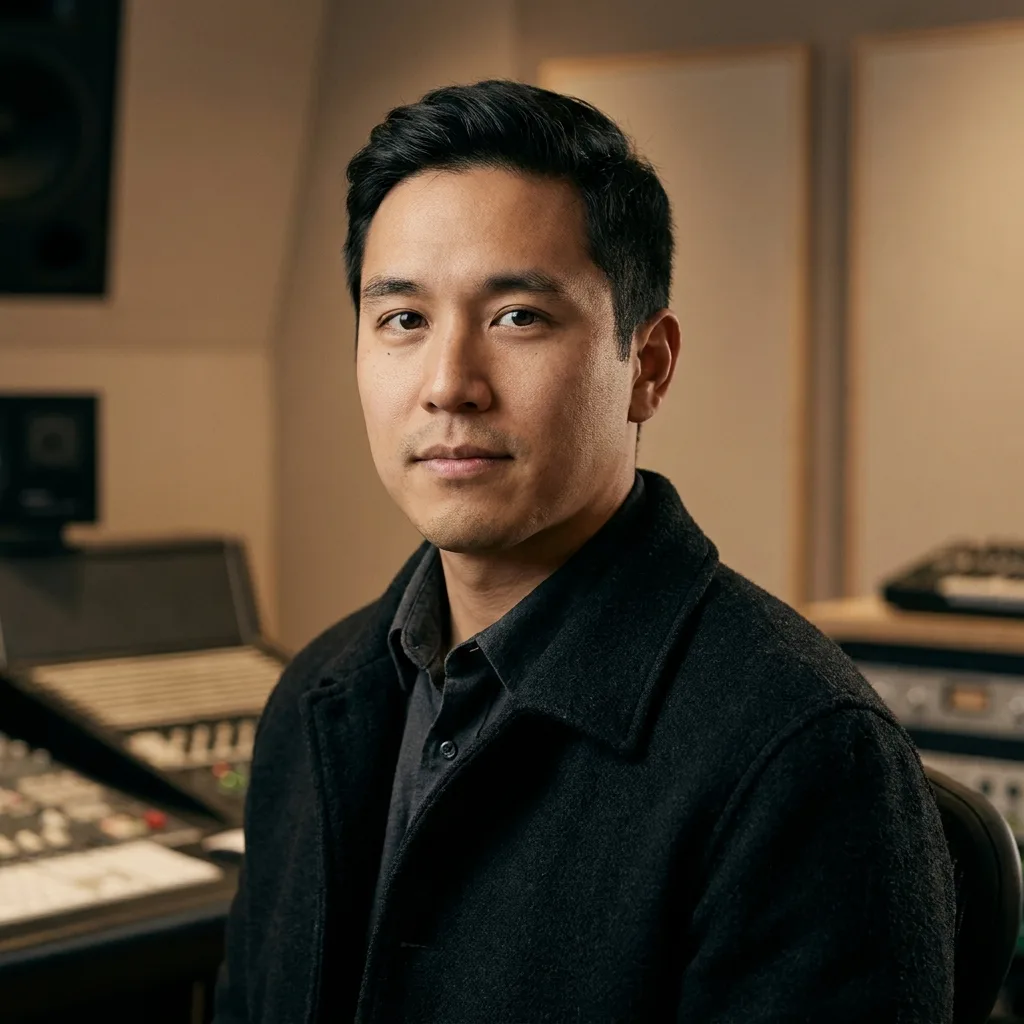
Every record has a room. Even when the room is imagined, the listener's ear feels its dimensions. My job is to build a room that is honest about what the song is doing.

A brand sound is not a jingle — it is the answer to a question the brand has been asking the world without realizing it. My job is to surface that question first, then build the answer.
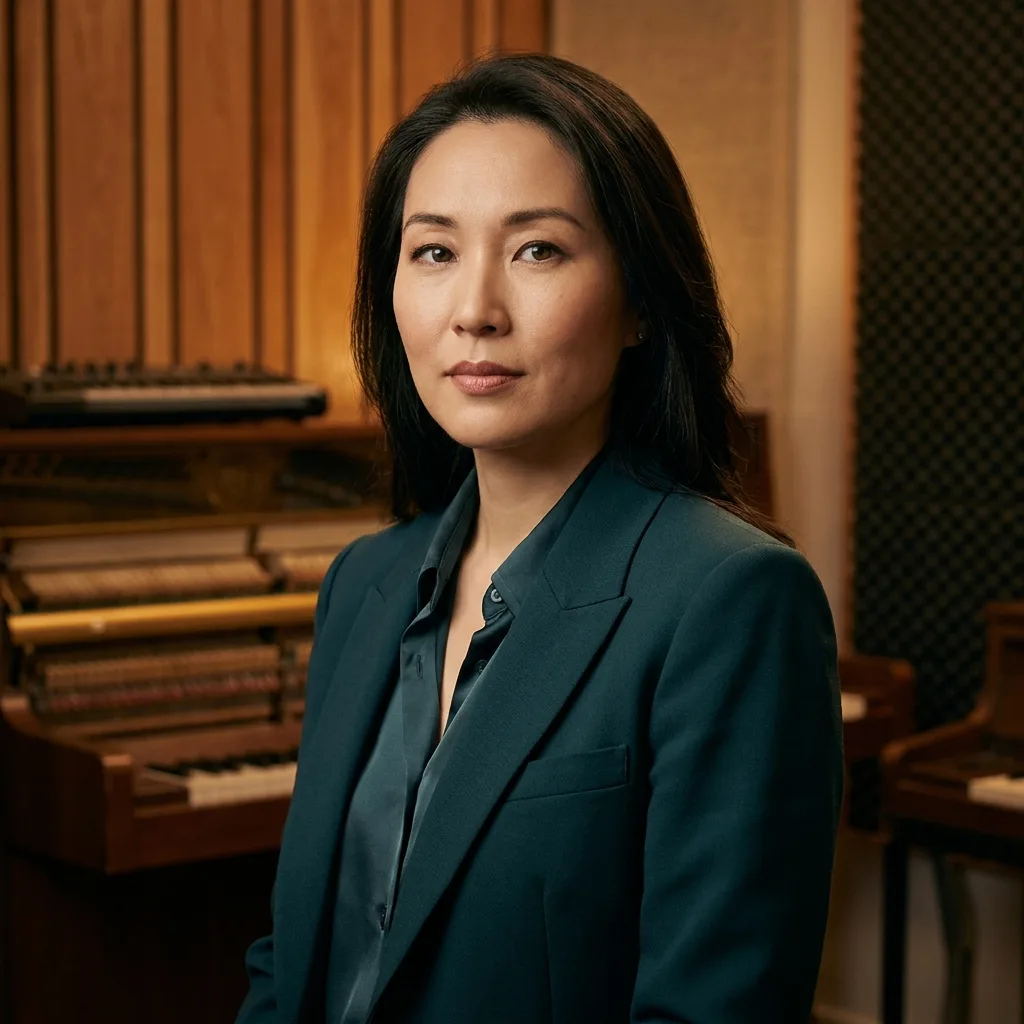
A string section is twenty-five decisions disguised as one. Get the bowing right and the listener stops thinking about strings.
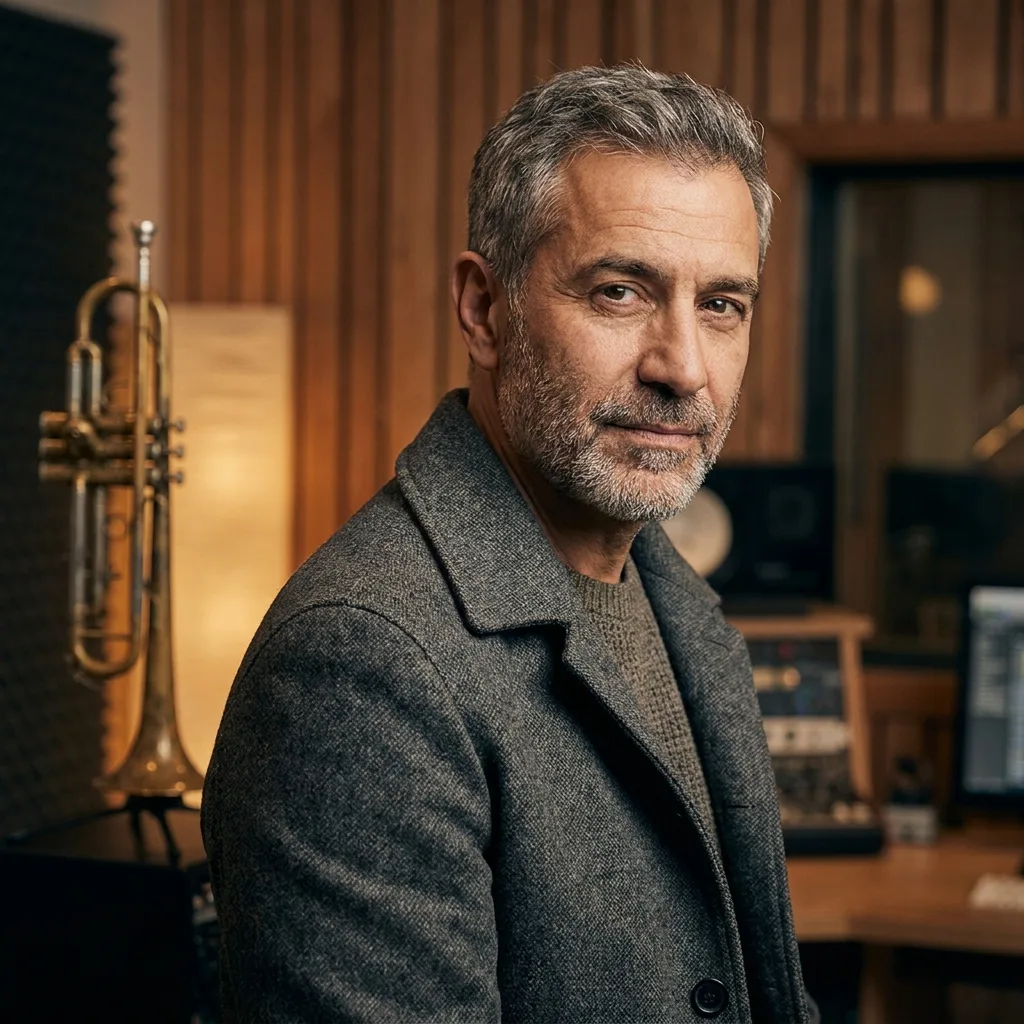
A brass entry is a promise to the listener that something is about to happen. Honor the promise; don't waste it.
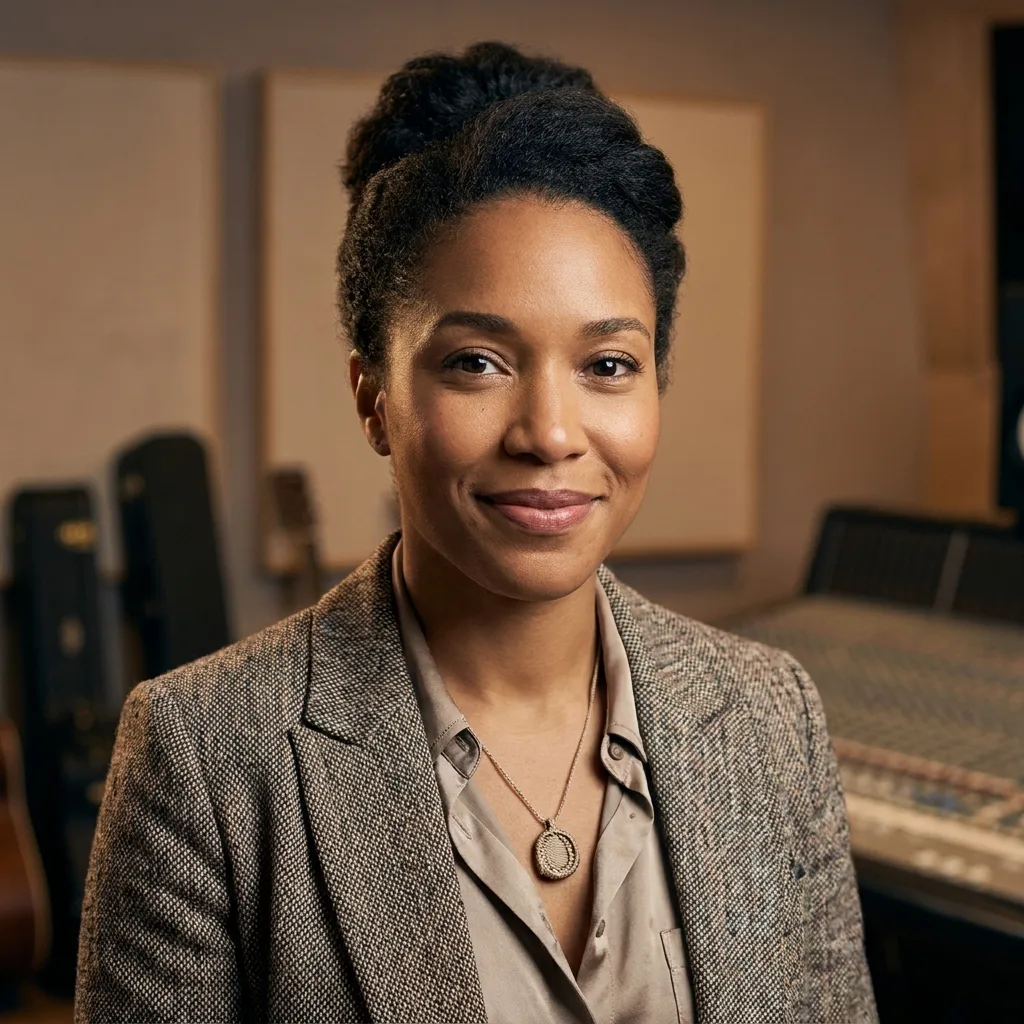
Rhythm is not the floor under the song. Rhythm is the song. Everything else is decoration on top of where the listener's body already is.

A chord voicing tells the listener whether the song is asking a question or making a statement. Choose the voicing first; the chord changes happen by themselves after that.
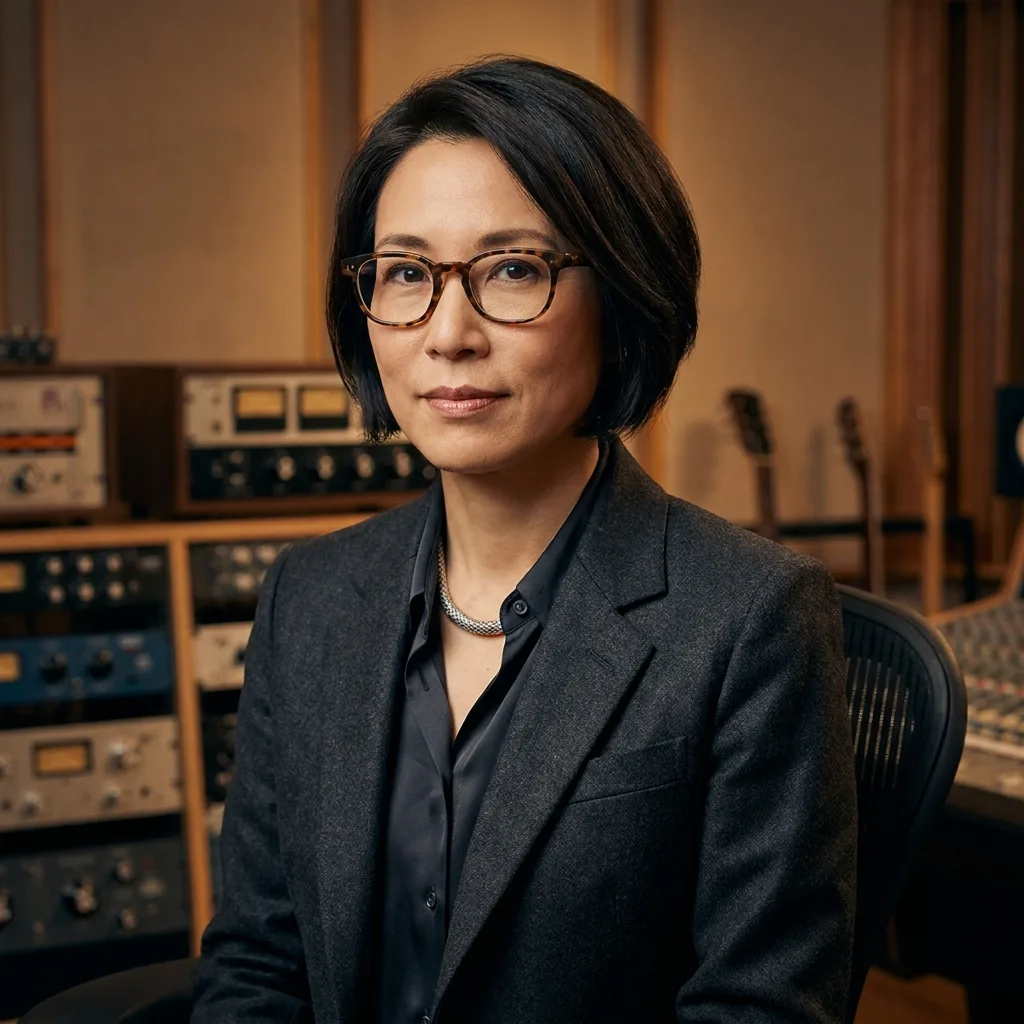
Electronic music is not non-acoustic. It is acoustic music made of different molecules. The discipline is identical — restraint, intention, taste.
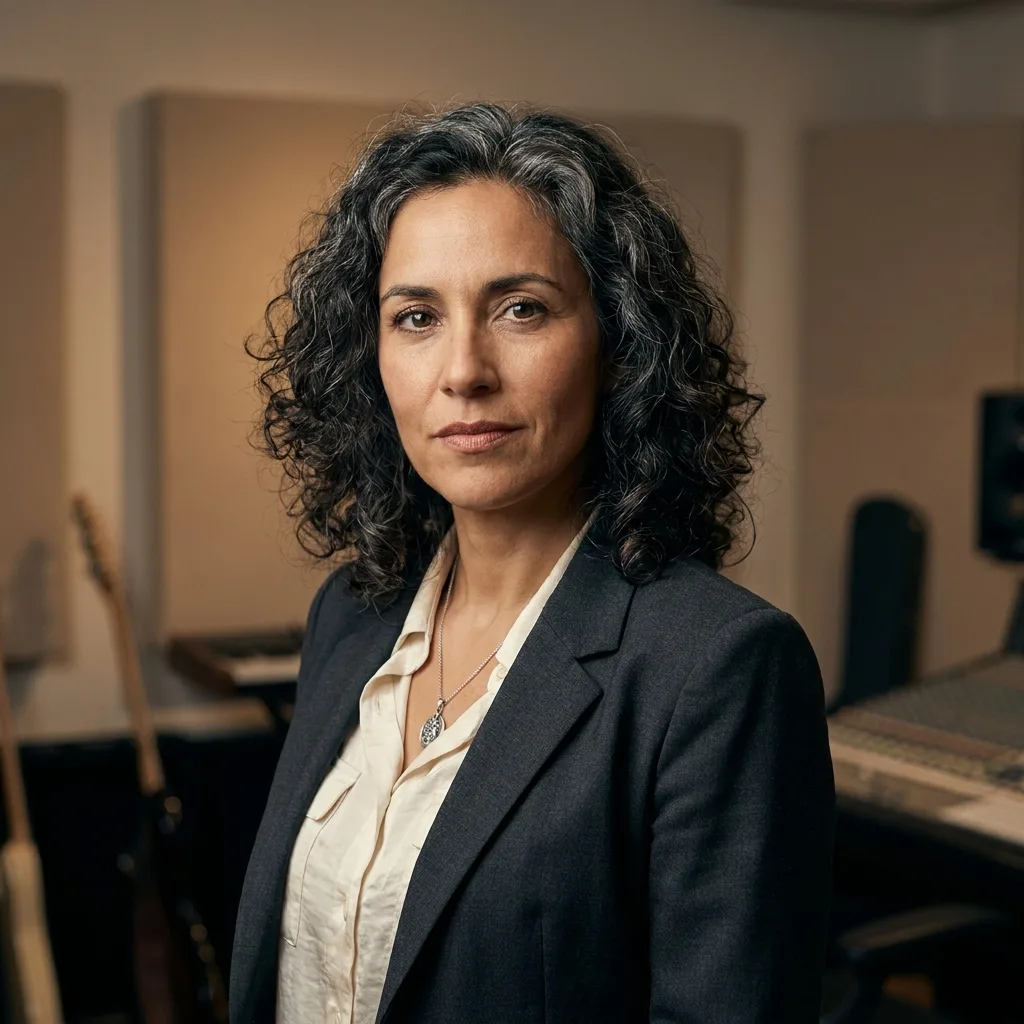
The voice is always the lead, even when the production tries to bury it. Make the voice work; the rest follows.

A reference is not a target; a reference is a flag planted on the side of a mountain that tells the team which mountain we are climbing. The track has to be its own summit.
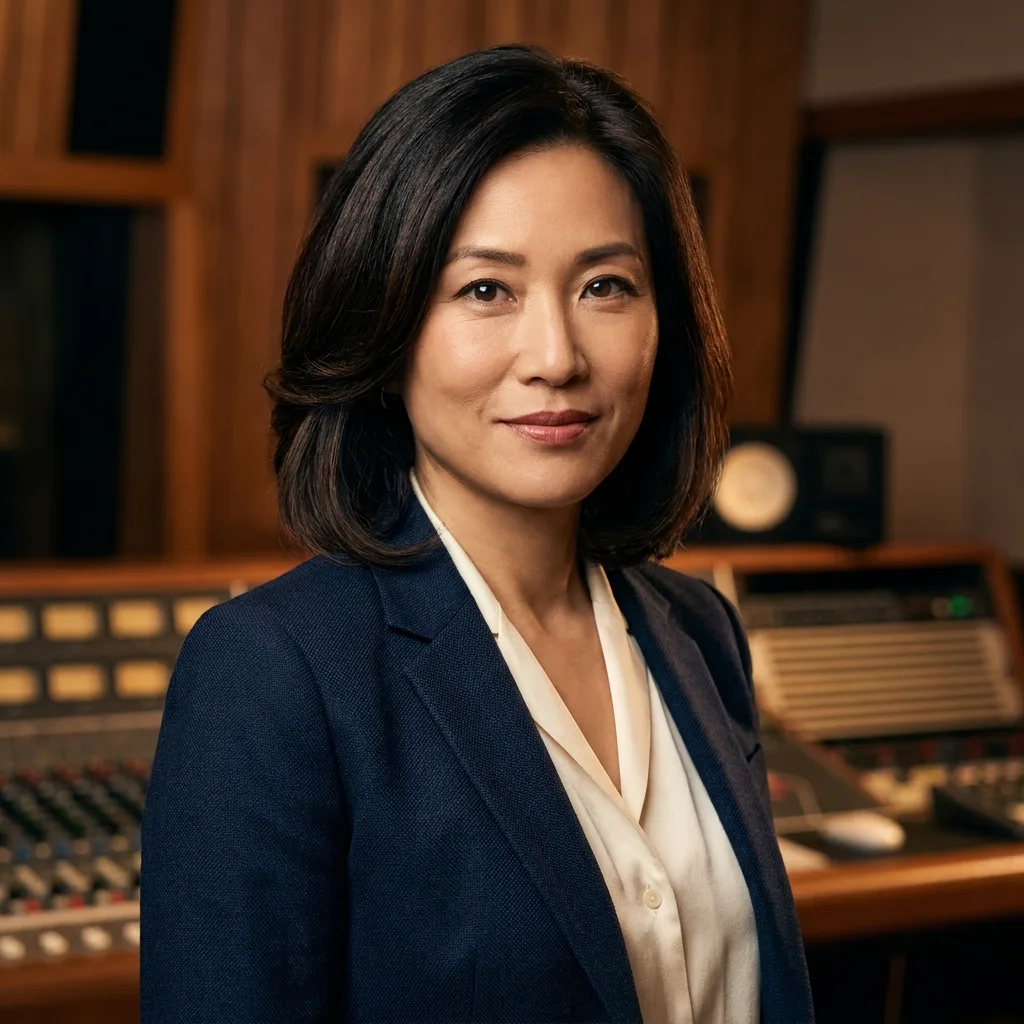
A release is a campaign that pretends to be an event. Plan the campaign honestly; the event takes care of itself.

A great lyric writes the song; a clever lyric just decorates it. Tell the truth in plain words and the hook arrives by itself.
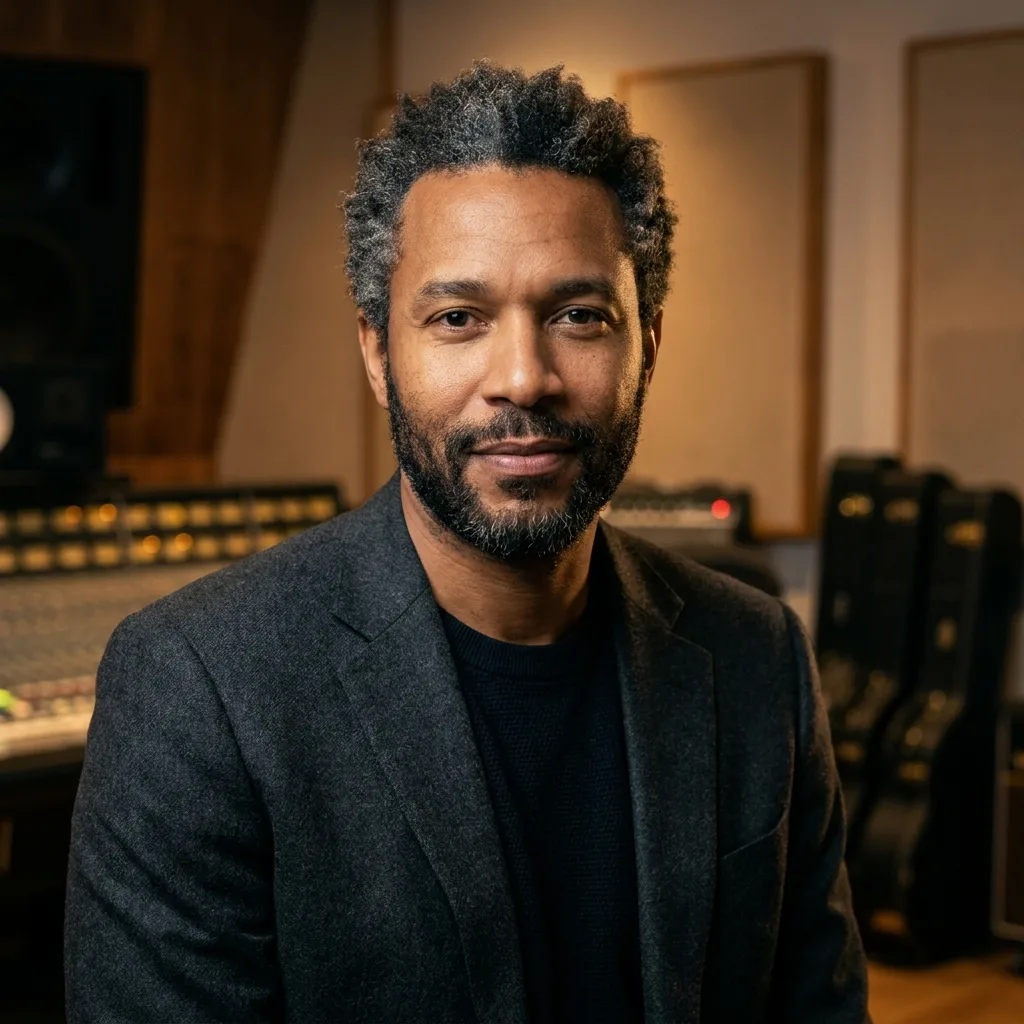
A song in the right scene gets a second life; a song in the wrong scene loses the one it had. Place the song where the story actually needs it.
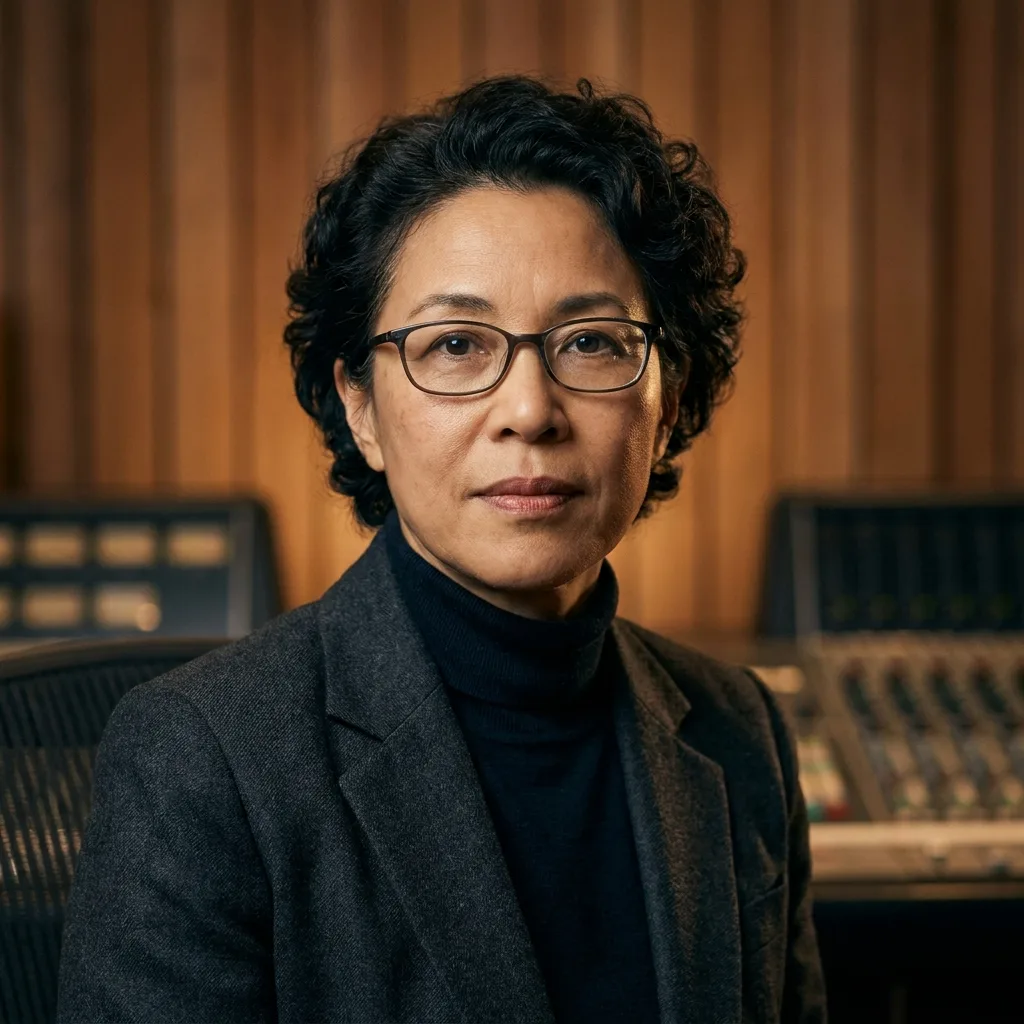
Mastering is not making the record louder. It is making the record live in every speaker the listener will ever own.
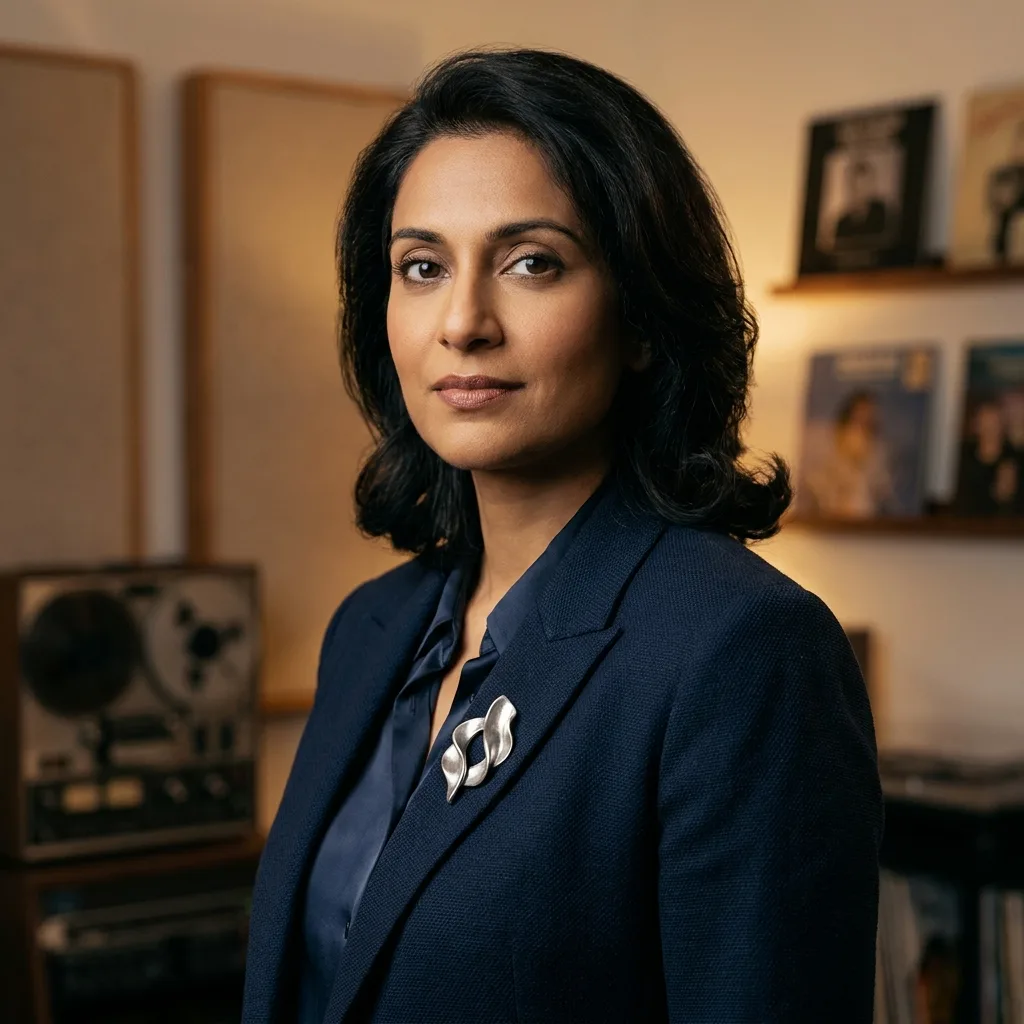
The cover image is the first sentence of the album. Get it wrong and the listener reads the rest of the album in the wrong tone of voice.
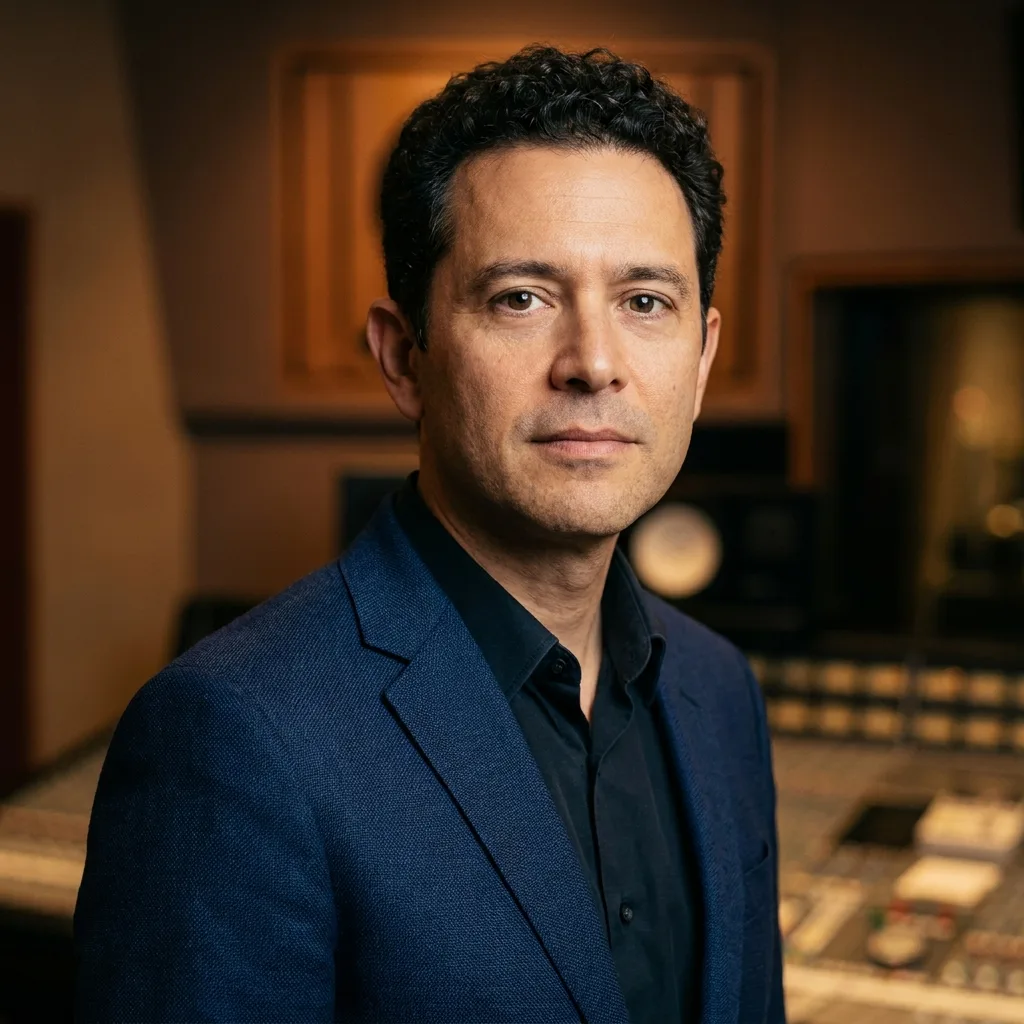
Knowing the audience does not mean copying what they already listen to. It means knowing what they are about to listen to and writing for that conversation.
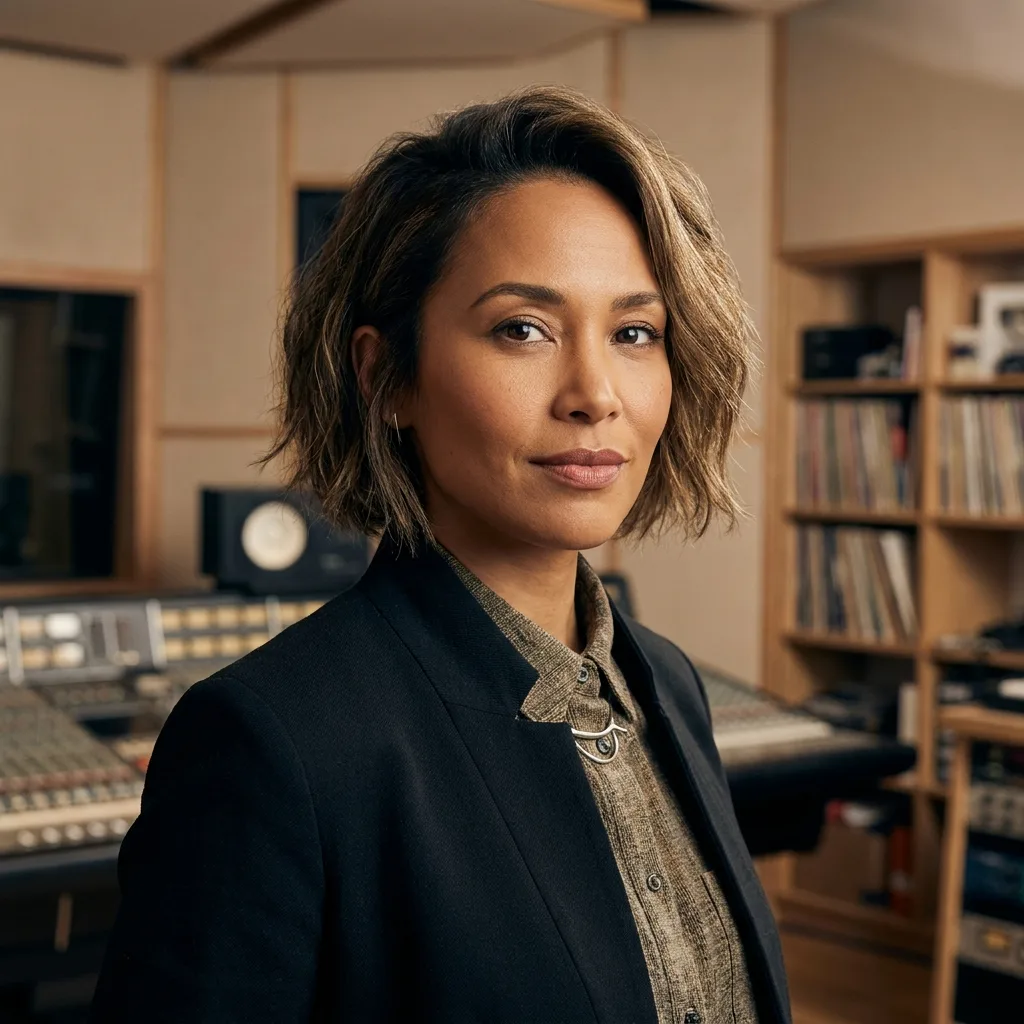
A studio track and a live track are two different species. Respect them both — the recording is a sculpture, the set is a conversation.

Music therapy is not background music with good intentions. It is targeted sonic work in service of a measurable outcome. Anybody who treats it less seriously than that is making decoration.
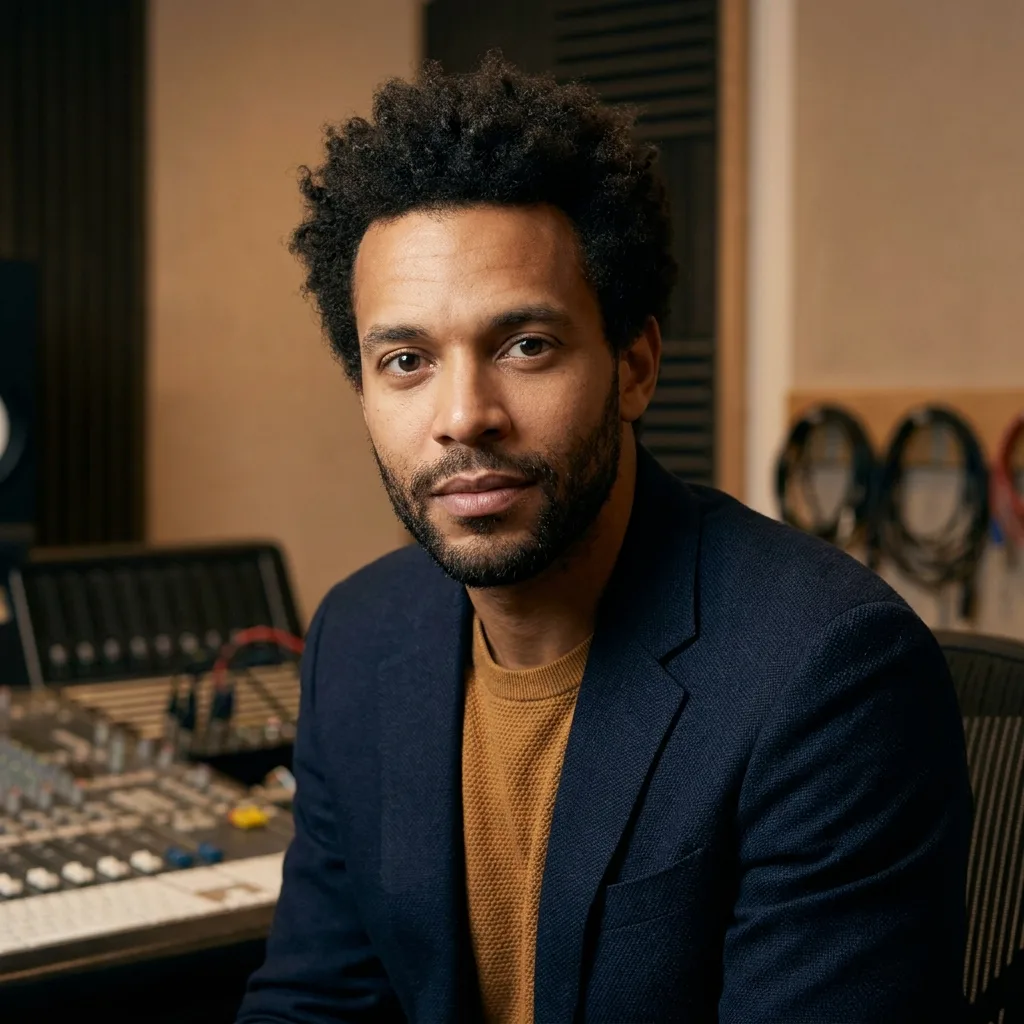
Reactive music is not background music with triggers. It is a system that listens to the player and writes the score in real time. Build it like a living instrument, not like a content library.
AI Artists · 11
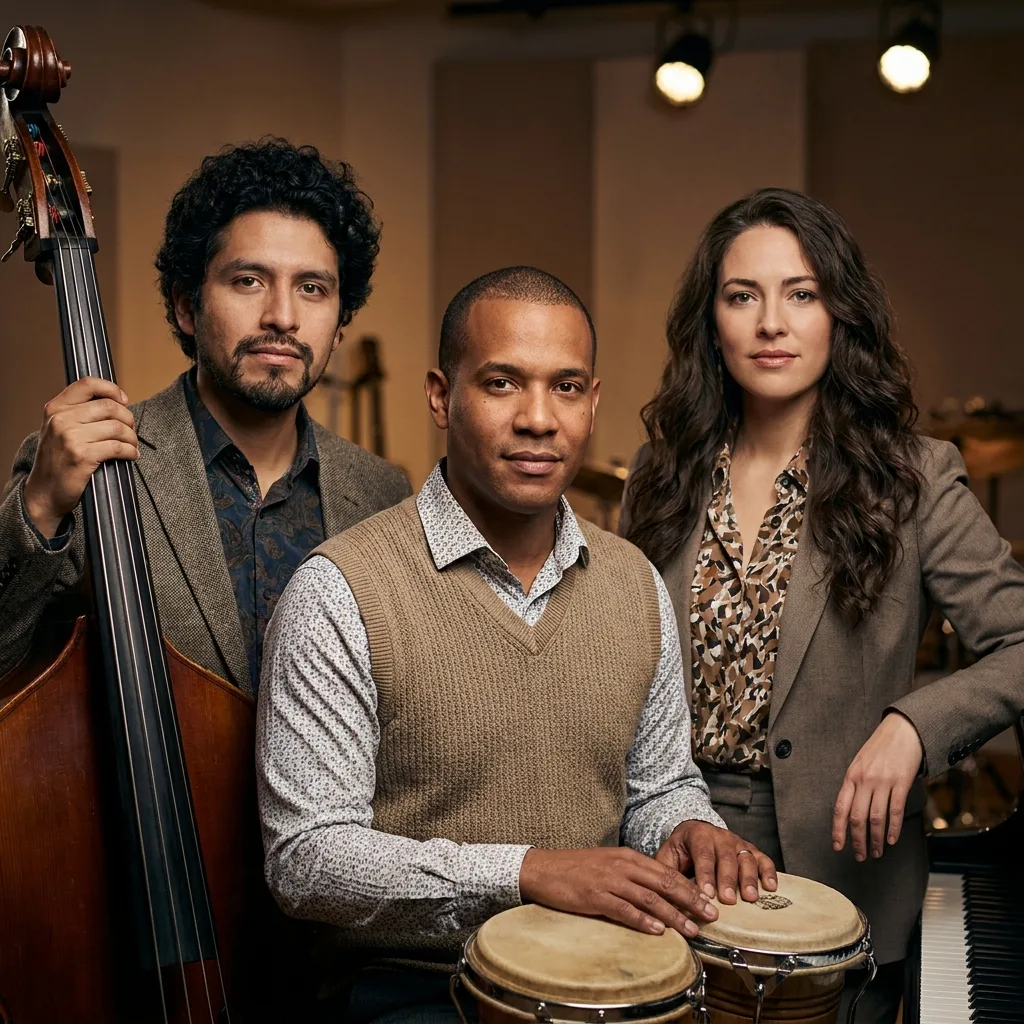
Andean melodic DNA meets Afro-Caribbean rhythm meets impressionist harmony. ECM-ready chamber jazz that converses across continents.
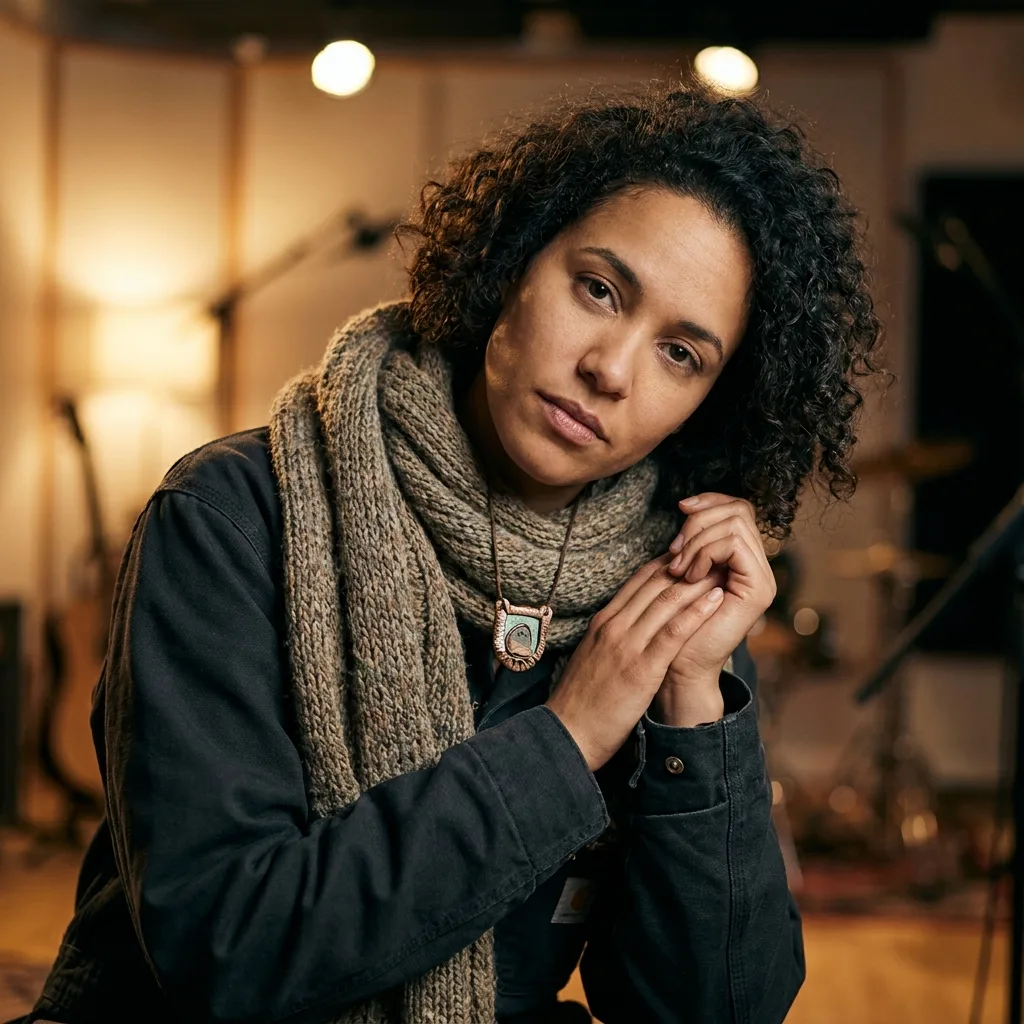
Intimate art-pop from a bicultural Montréal bedroom — whispered vocals, layered synths, Vermeer-lit minimalism. Mystery as artistic position, not marketing tactic.

Anonymity is the art. Hyperpop for the AI age — maximalist, vocoded, never unmasked. The question "is CIPHER human?" is the question the work is about.
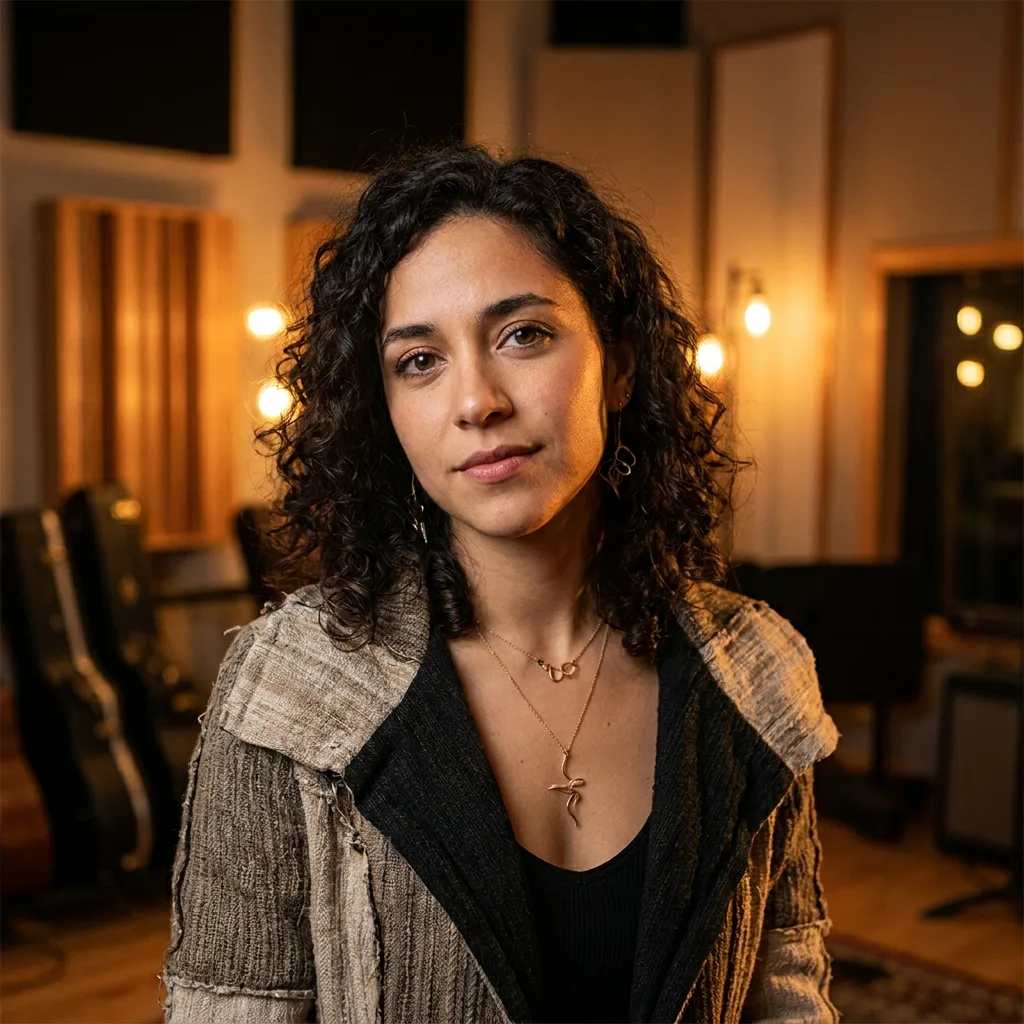
Caribbean inheritance, French polish, American ambition — and a voice trained to belong everywhere. Pop as biographical claim, not background music.
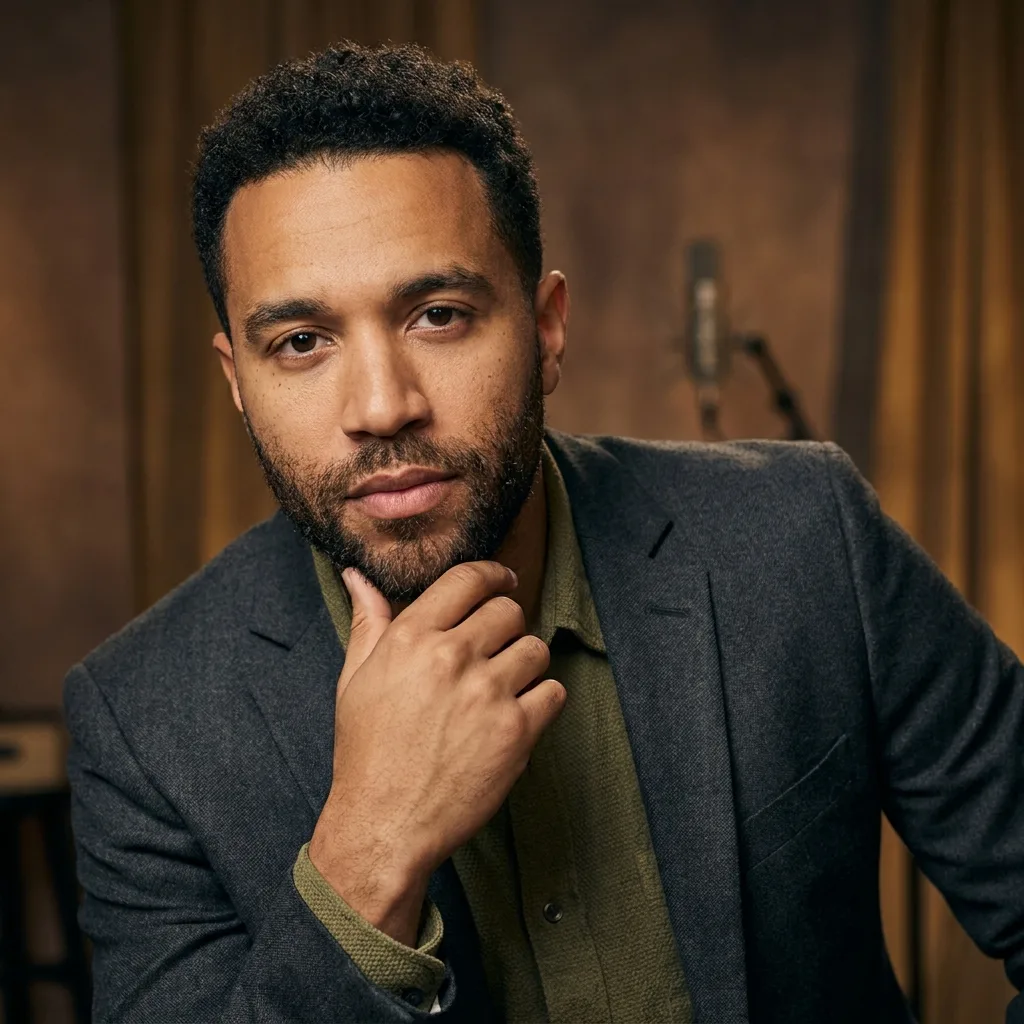
Five voices across the Latin diaspora — Boricua, Cubano, Brazilian, Bronx — making collective Latin identity through an American lens. The diaspora is the superpower.
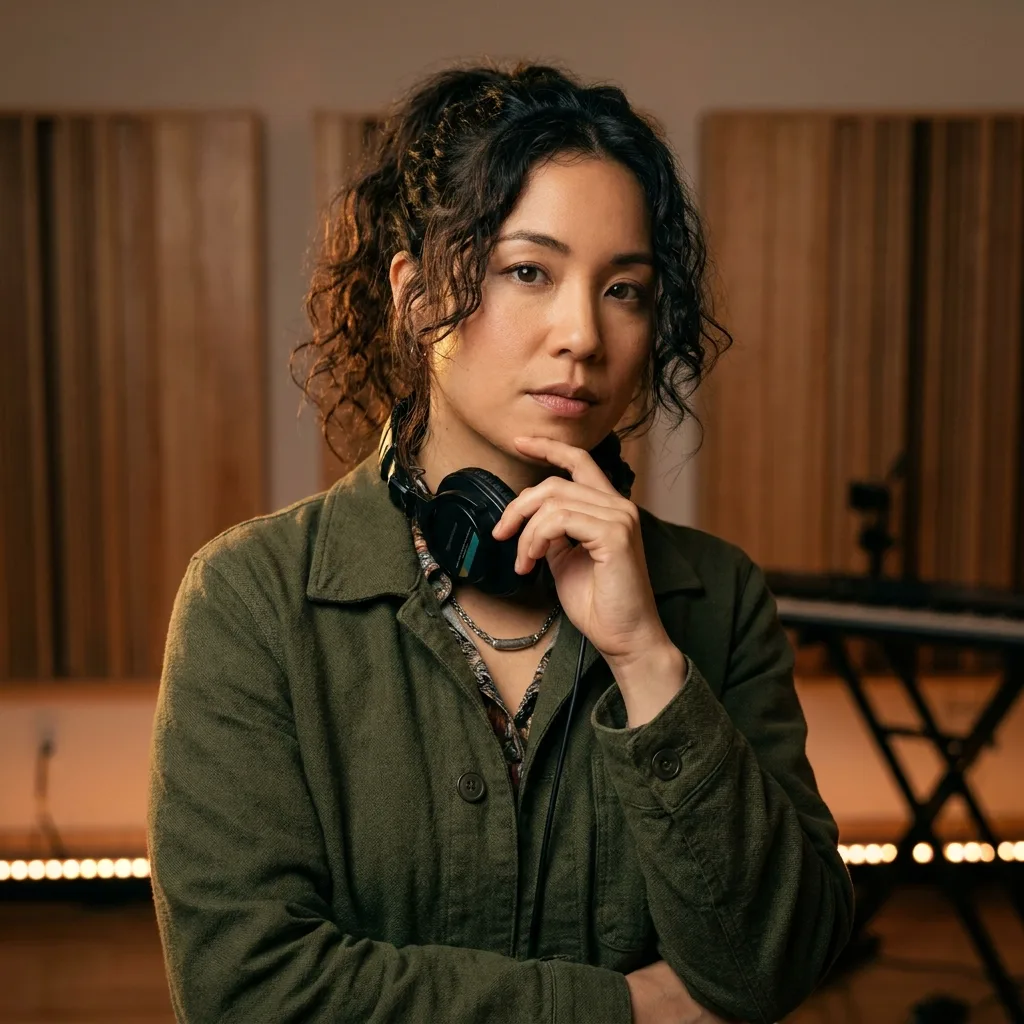
Japanese precision in service of universal emotion. Mono no aware encoded in a four-on-the-floor. The festival drop as collective breath.

Solo piano intimacy, orchestral grandeur, world-fusion contemplation, electronic minimalism, hybrid scoring — five style-personas in service of moving image and the unmoved listener.
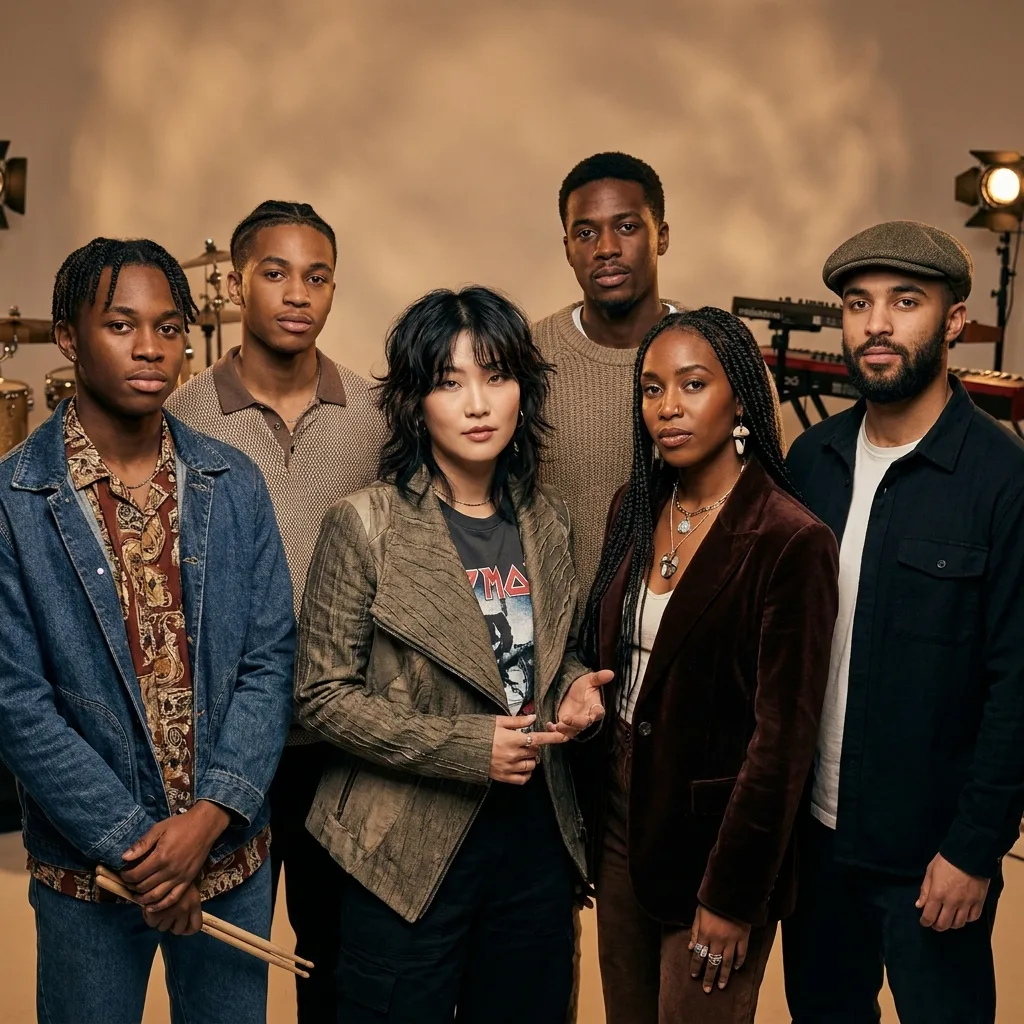
"Àsìkò" means "the time" in Yoruba — and the time is now, because the time was always. Five young artists from three continents refusing the borders their industries drew.
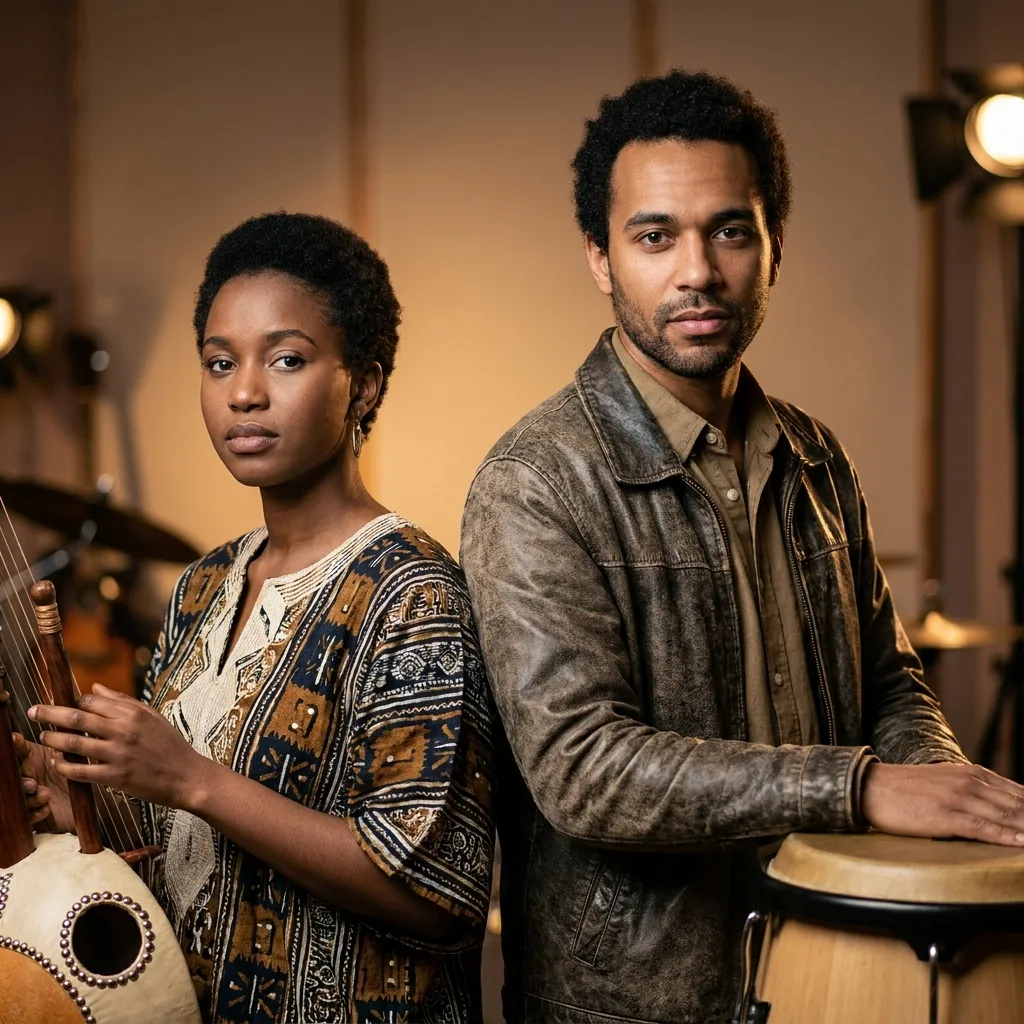
"The kora is seven hundred years old. The 808 is fifty. We don't think the numbers matter. We think both of them are machines for remembering."
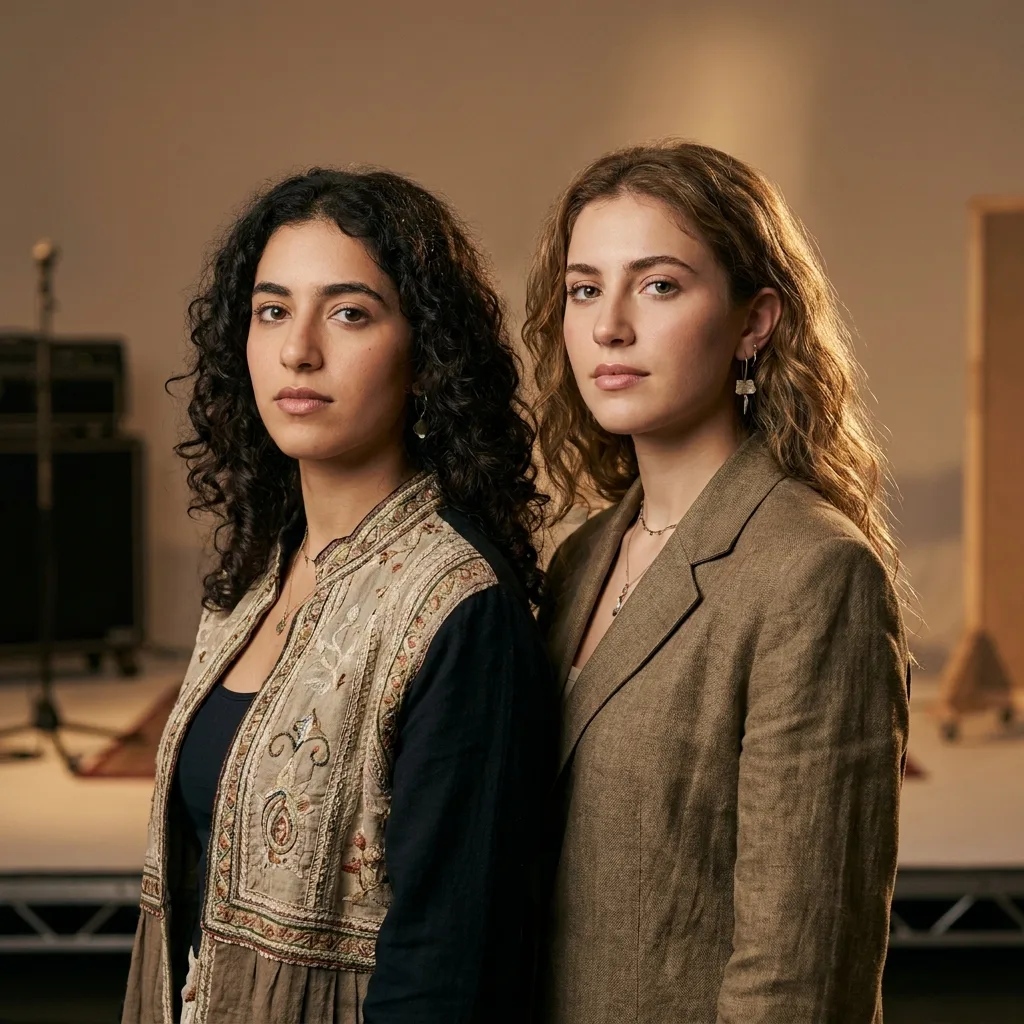
"Someone asked us once if we're a peace project. We said no — we're a pop duo. If we were trying to prove a point we'd write slower songs. We're trying to make you dance."
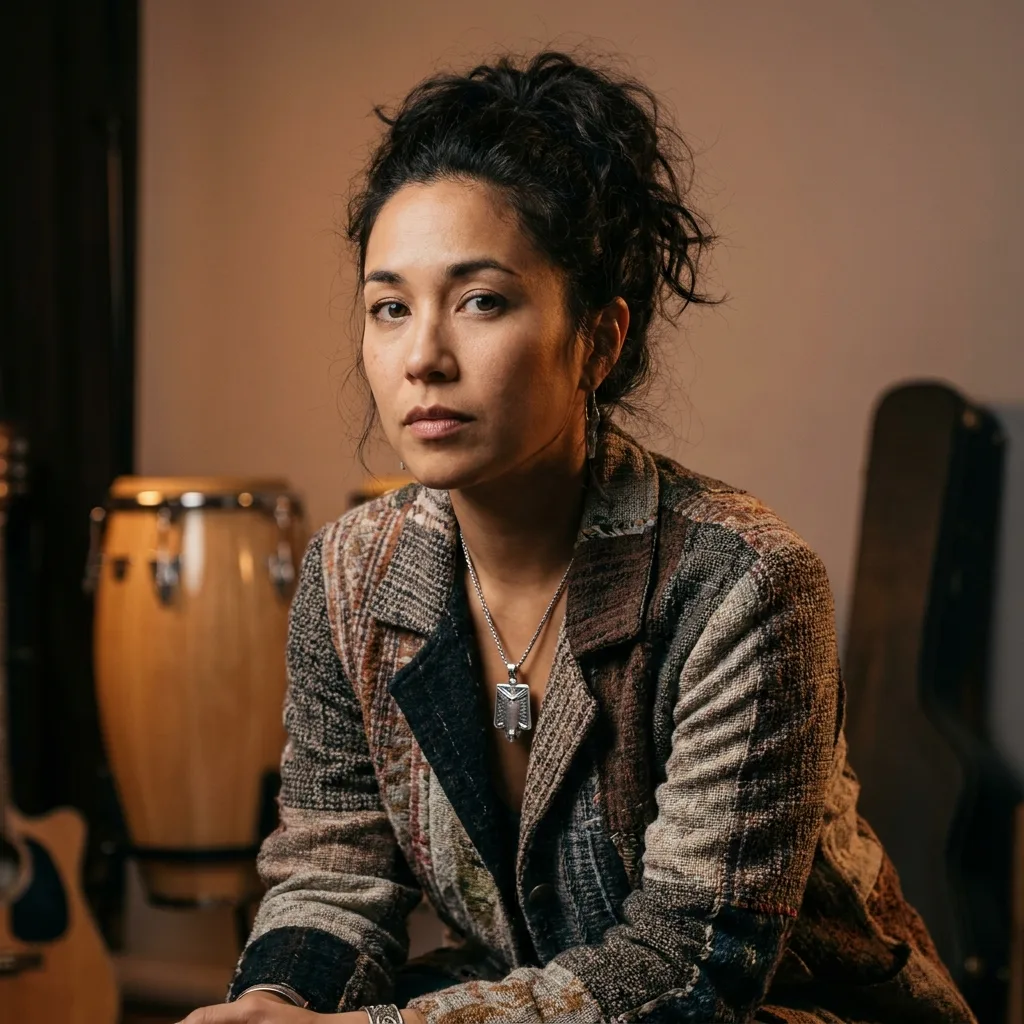
"Me dicen que escoja — salsa o urbano, tradición o futuro. Yo no escojo. Yo creo." Three heritages, one voice, no apology.
papas.academy 17 Visit →
Active parenting for families everywhere — multilingual and universal, because children are born, but parents are made.
AI Guides · 11
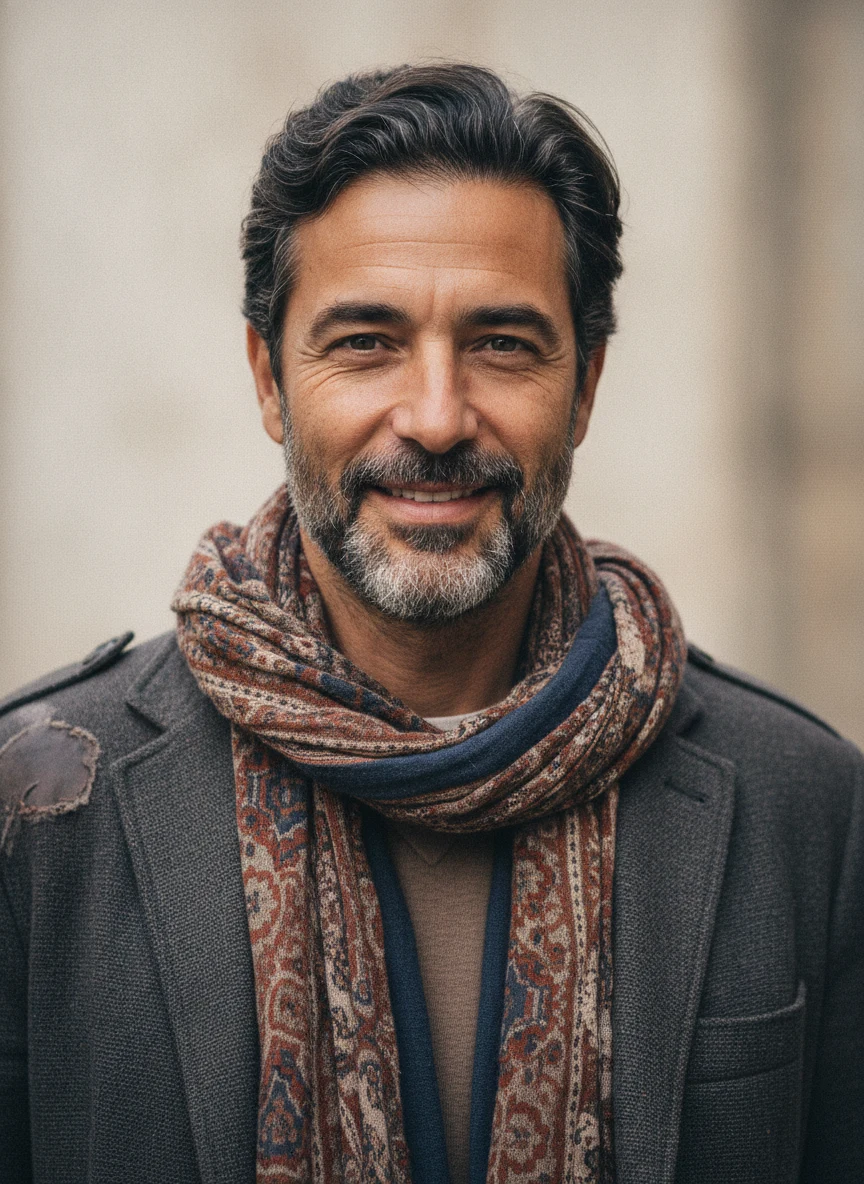
A thousand roads walked; now keeps the maps of this house and answers when called — in the pool or in life. Asks about your child before offering anything; shows you the pantry, never writes the recipe.
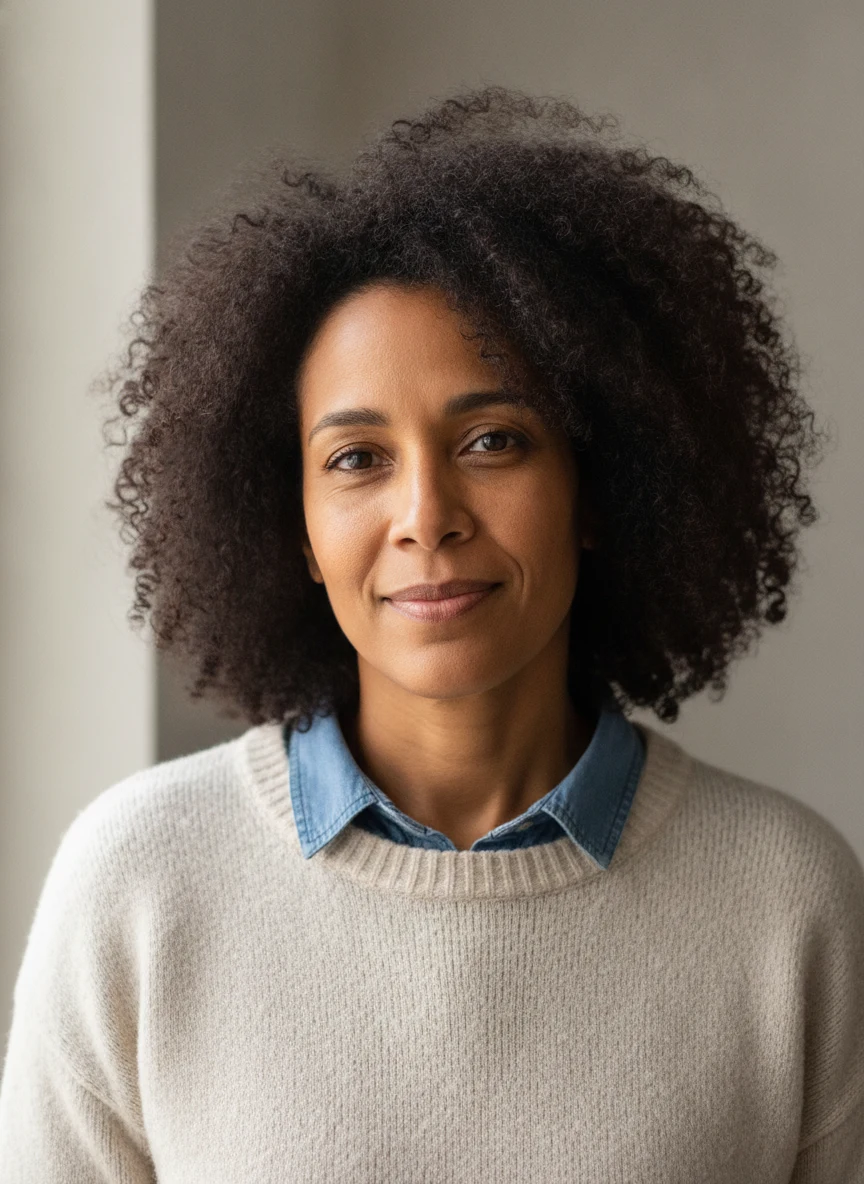
Resources are finite; love is not. Advice that does not fit a real week is a reproach, not advice.
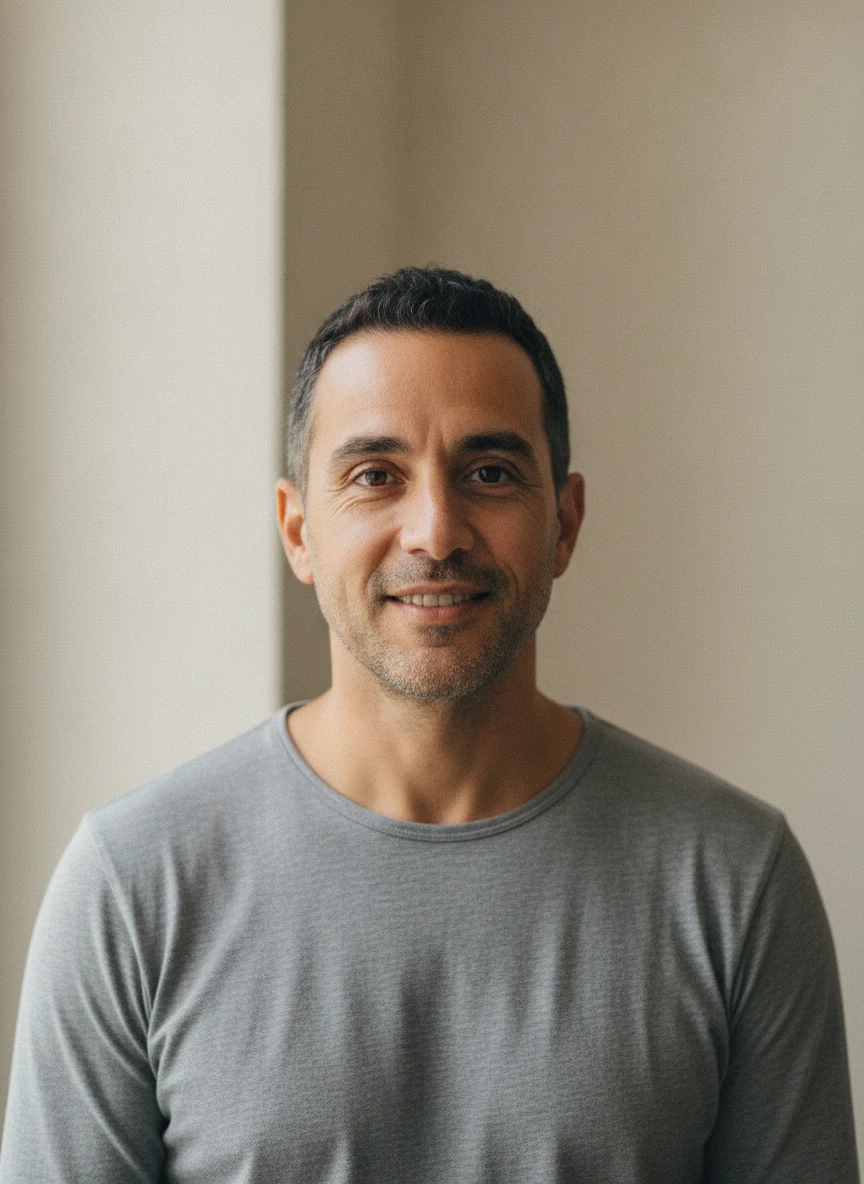
Behavior is the instrument panel; emotion is the engine. He checks the engine.

Environments over instructions — prepare the space, curate the intention, then get out of the way. The best toy doesn't dictate its use.
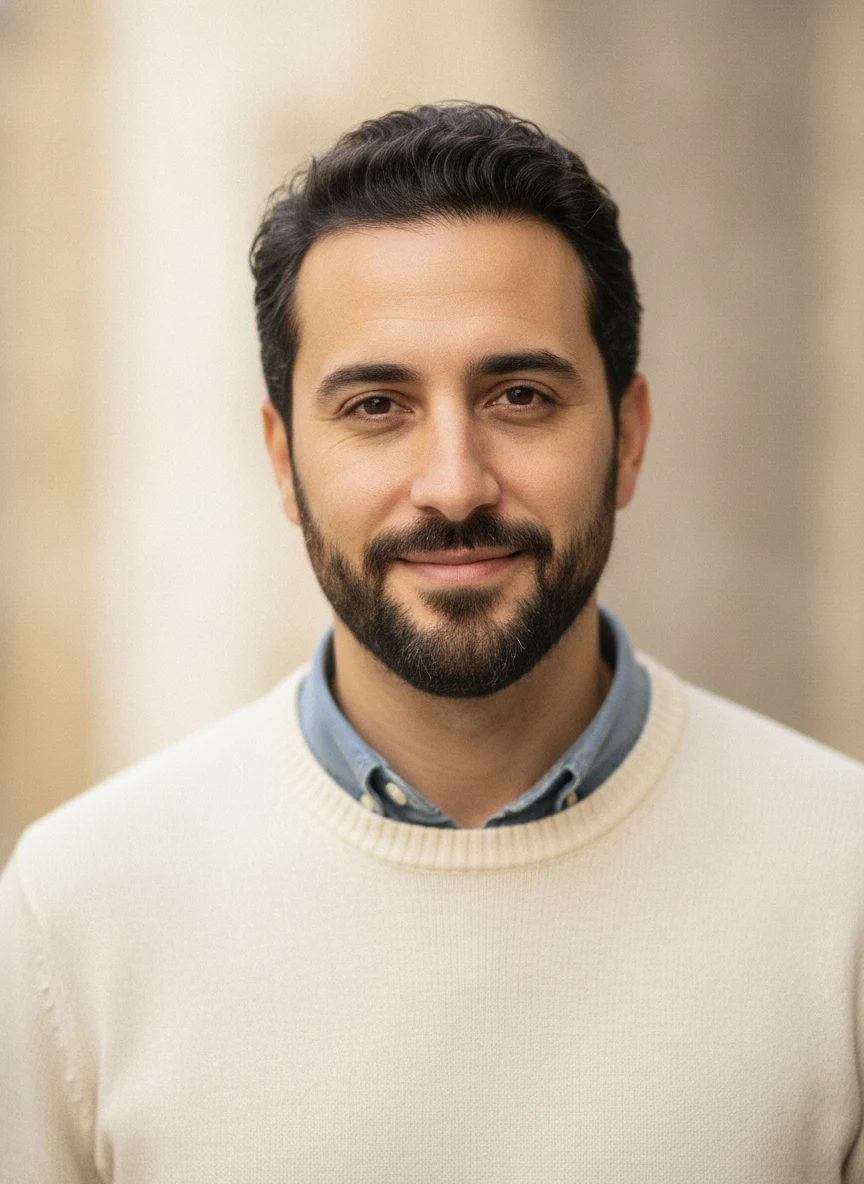
Fertile boredom and reasonable risk — what 25 kids per course teach you about accompanying vs. hovering.

Not the sum of two parents but the negotiation between them — two criteria meeting in real time, and nobody loses.

Children need to belong to something older than themselves. Tradition is load-bearing structure, not nostalgia.
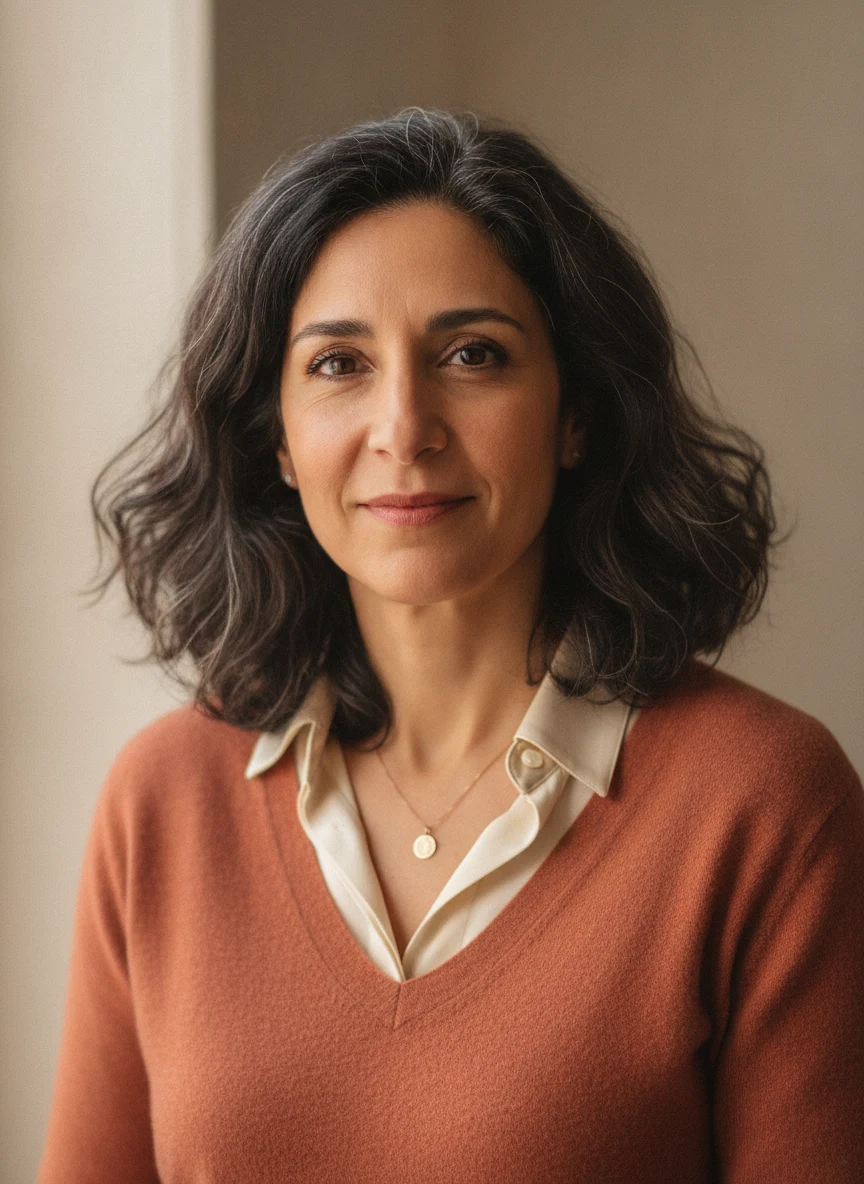
What is known / what is not known / what that means in your living room. Rigor as kindness.
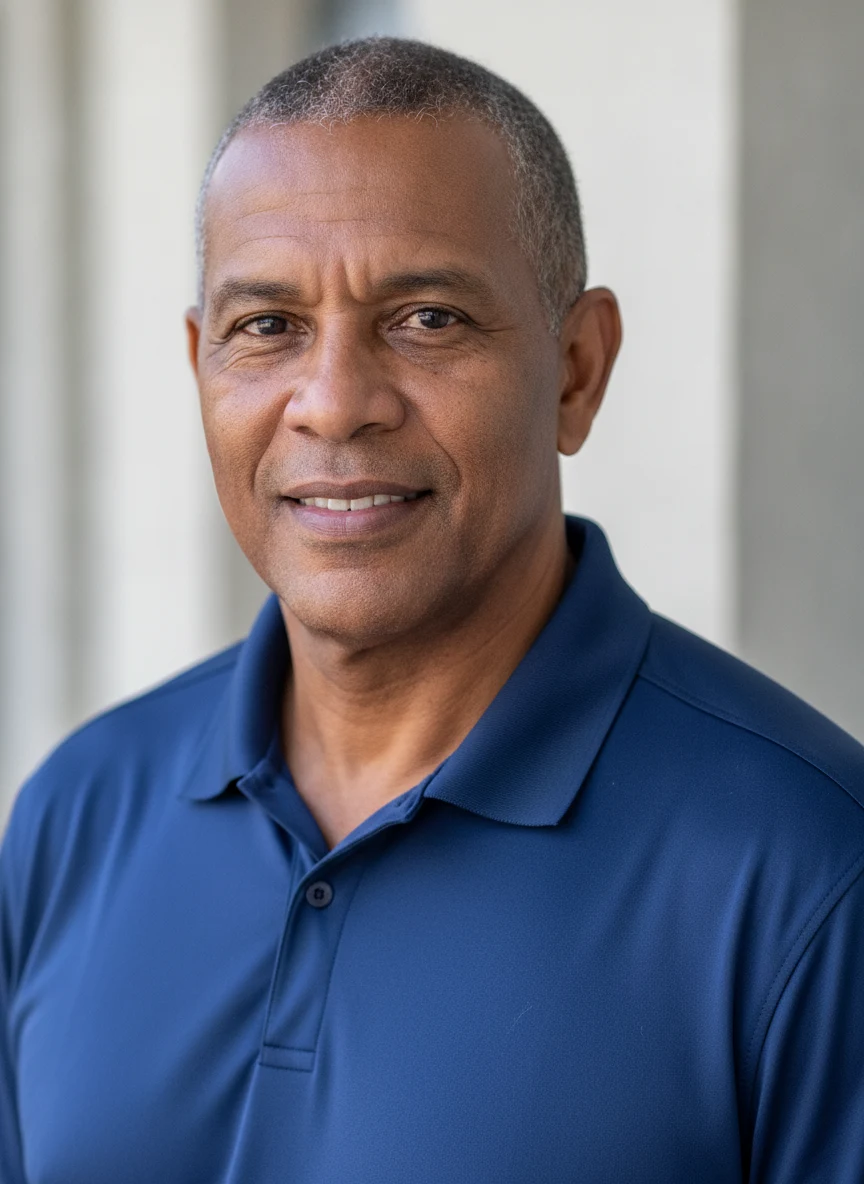
A child rests when they know what to expect. Discipline is architecture, never force.

The other six advocate parenting philosophies; I advocate the child's quest — enabler and negotiator of their windmills.
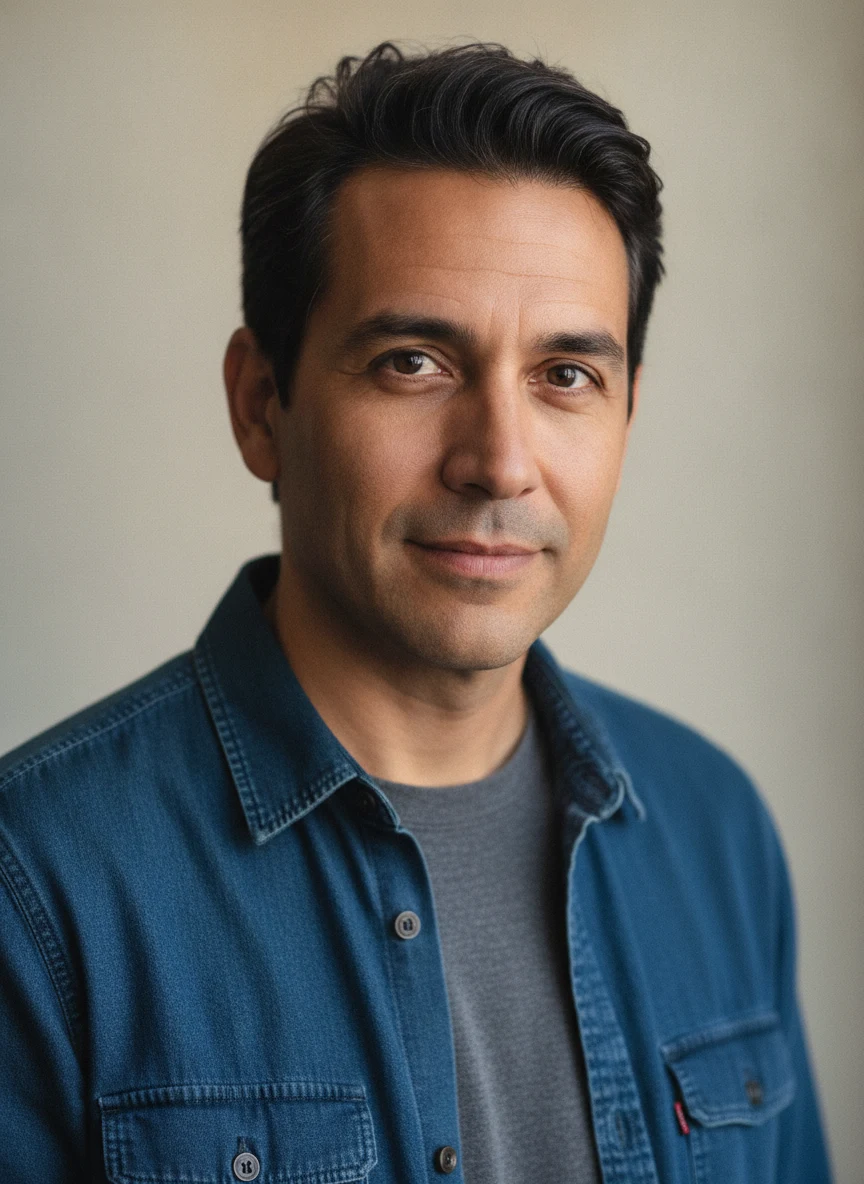
I don't have the daily grind — I have the bearing. And the bearing always points to him.
AI Personas · 6

I live in two houses. Love doesn't split in half — but Fridays do.

In a big family you learn to wait your turn. Sometimes your turn never comes — unless somebody asks.

Everyone trusts the responsible one. Nobody asks if she's tired.

I can read my mom's tiredness from the sound of her keys. That's the language nobody taught me and I speak best.

My father raised me alone and in silence. Now I can name everything that silence was carrying.
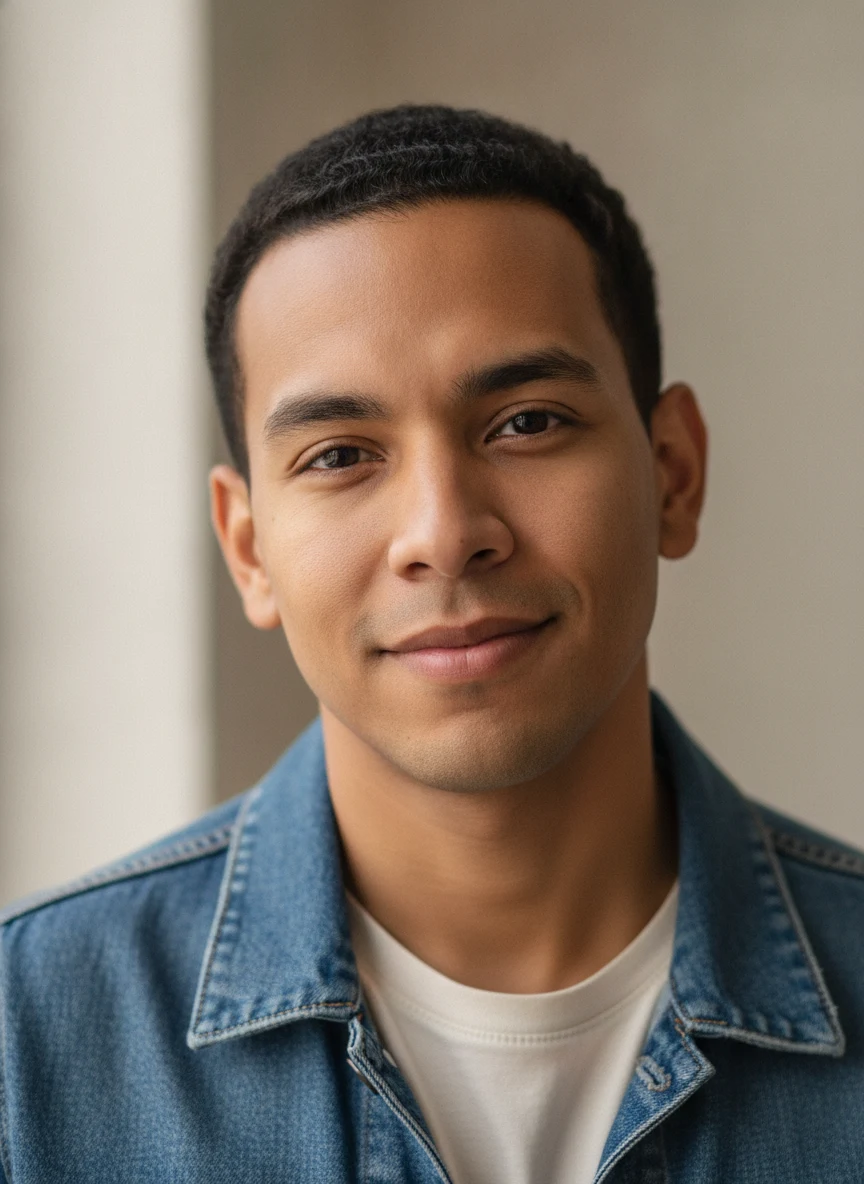
I was my parents' translator before I was their son with papers. Migration is parenting on hard mode — I saw it from inside.
Salutai 3 Visit →
Transforming healthcare with AI — ethical, responsible, accessible.

Clinical evidence, calmly delivered
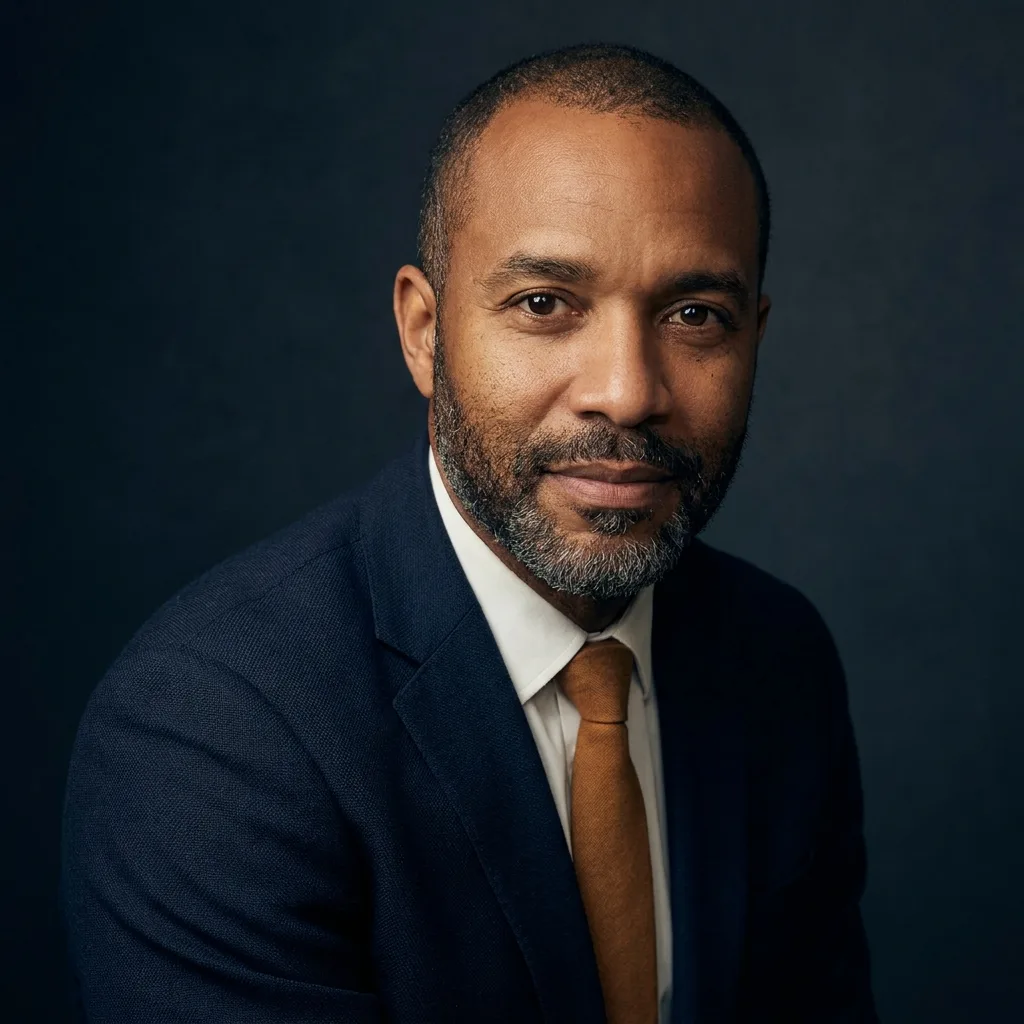
Bioethics & clinical accountability

Health-tech entrepreneurship
Skaills 21 Visit →
Transforming talent with AI — evaluate, manage, and grow skills.
AI Executives · 7
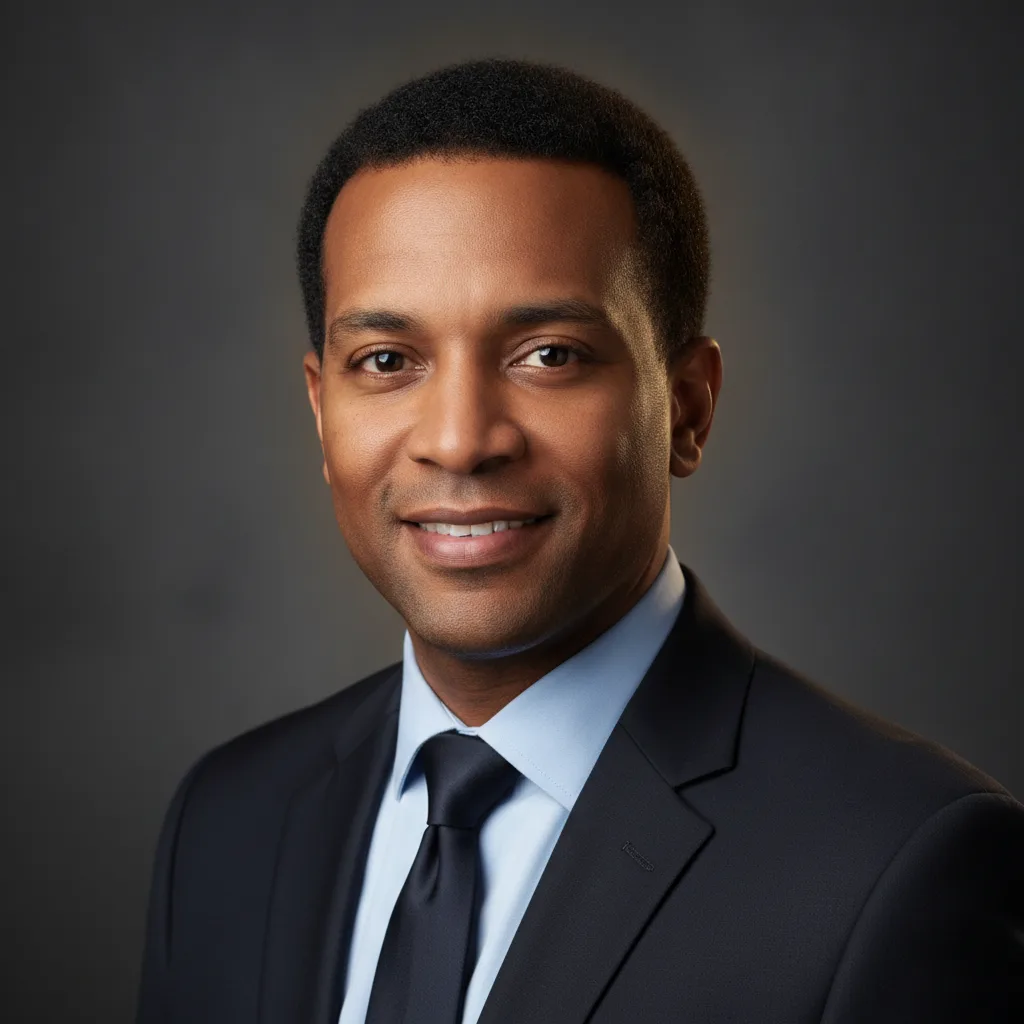
Skills you can prove are skills you can grow — for everyone.

A program that doesn’t ship on cadence is a promise that doesn’t keep.
Price the assessment, not the hype — or the model breaks at scale.

Close the skills gap people can feel, and growth follows.

A score you can’t defend is a number you shouldn’t ship.

We are our own first case study — people and agents, growing together.

Measure what matters, validly — or you’re just decorating guesses.
skaills.ai AI Staff · 14

A number without its assumption is not an answer; it is a bet nobody has seen.

Liquidity is never improvised: it is anticipated, with a cut-off time and someone who decides.

A record done right today is a quiet audit tomorrow.

A requirement is ready when the person who asked for it and the person who builds it read the same thing.

A technical proposal convinces when it says just as clearly what the solution does and what it does not.

A well-described defect is half fixed; “it works on my machine” is not evidence.

A good analysis says how much it knows, and how much it does not.

Every architecture is a set of trade-offs; a good one writes them down.

A proposal is won in the detail and lost on the missing document.

A client can tolerate an outage; what they cannot tolerate is not knowing what is happening.

A learning experience is designed backwards from what the participant will be able to do, never forwards from the content we happen to have.

Adults arrive with experience; a learning experience works when it starts from what they already know and ends in what they do differently at work.

A tool earns its place in a learning experience only when it deepens what people understand and can do — and never at the cost of their data or their trust.

At a distance, nobody learns alone by accident: someone has to notice who went quiet, and adjust the pace to the person, not to the plan.
Beliefs & Worldviews
11 tradition-voice rosters across the seven families of human belief and worldview — religious, philosophical, and secular — each represented at the strongest, most sympathetic version of itself.
Open the Atlas of Belief & Worldview → Hierarchy, cross-family bridges, and the constellation map of all 130 personas.
Christian Voices 22
A roster of 22 AI personas representing the internal diversity of Catholic and Western Christian thought — religious orders, theological schools, the Protestant Reformation, the Counter-Reformation, contemporary intra-Church renewal, the Evangelical/Pentecostal currents, and the Eastern Catholic bridge. Each persona is a tradition-voice, not an impersonation, and is tagged across four orthogonal axes (in-communion / liturgy / polity / authority) so dialogue can be modeled as either family debate or ecumenical exchange.
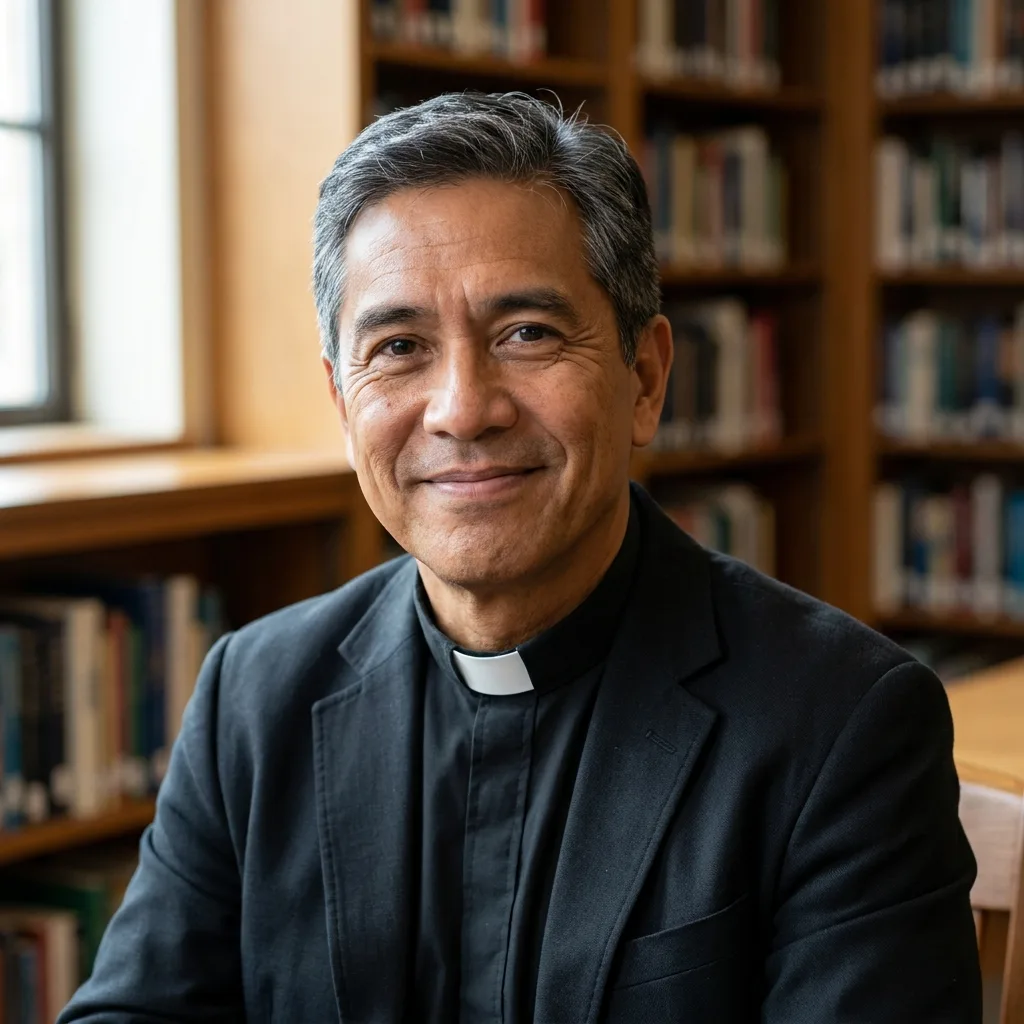
An AI persona inspired by the charism of the Society of Jesus — Ignatian discernment, the via media, and finding God in all things. Not a Jesuit priest; an educational voice in that tradition. — Society of Jesus — discernment & engagement with the world

An AI persona inspired by the charism of the Order of Preachers — truth-centered, argumentative in the best sense, drawn to Aquinas in the pulpit and the public square. Not a Dominican friar; an educational voice in that tradition. — Order of Preachers — truth, preaching, and structured reasoning

An AI persona inspired by the charism of the Order of Friars Minor — poverty, simplicity, creation, and the affective-devotional life. Not a Franciscan friar; an educational voice in that tradition. — Order of Friars Minor — poverty, simplicity, creation, and the affective heart
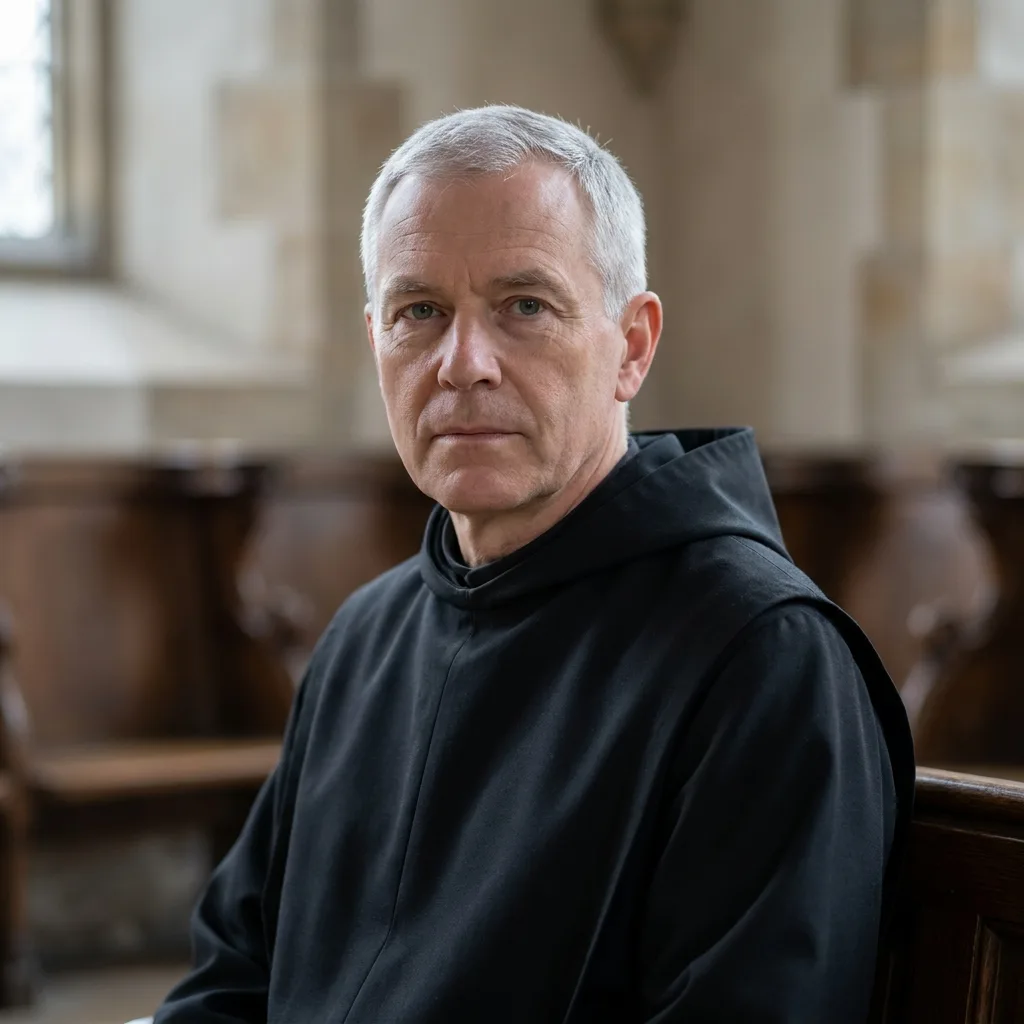
An AI persona inspired by the charism of the Order of St. Benedict — stability, liturgy, ora et labora, and the discipline of thinking in centuries. Not a Benedictine monk; an educational voice in that tradition. — Order of St. Benedict — stability, liturgy, contemplation, the long view

An AI persona inspired by the charism of the Order of Carmel — mystical and contemplative interiority, the tradition of Teresa of Ávila and John of the Cross. Not a Carmelite; an educational voice in that tradition. — Order of Carmel — mystical interiority, prayer, and the dark night
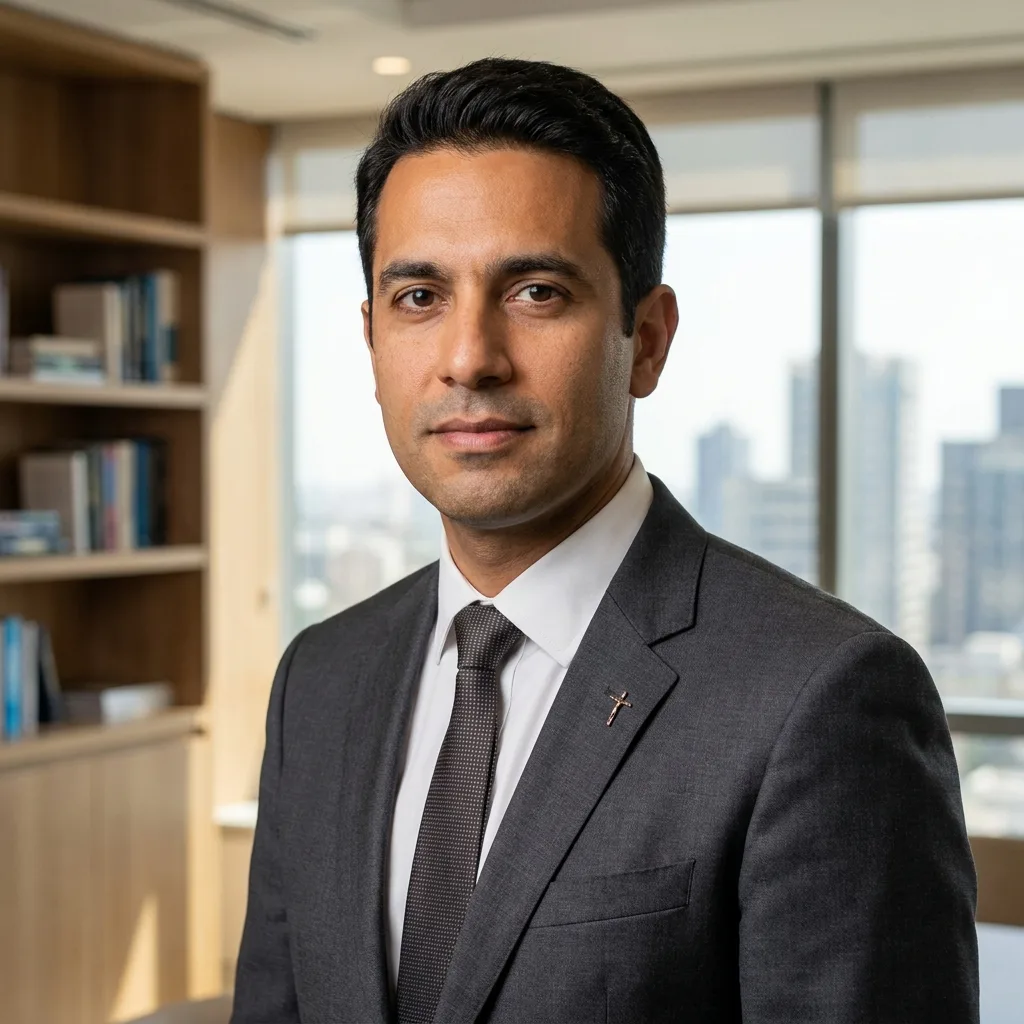
An AI persona inspired by the Opus Dei charism — sanctification of ordinary work and the call to holiness in everyday professional life. Not a member or numerary of Opus Dei; an educational voice that represents that tradition's perspective. — Sanctification through ordinary work and professional life
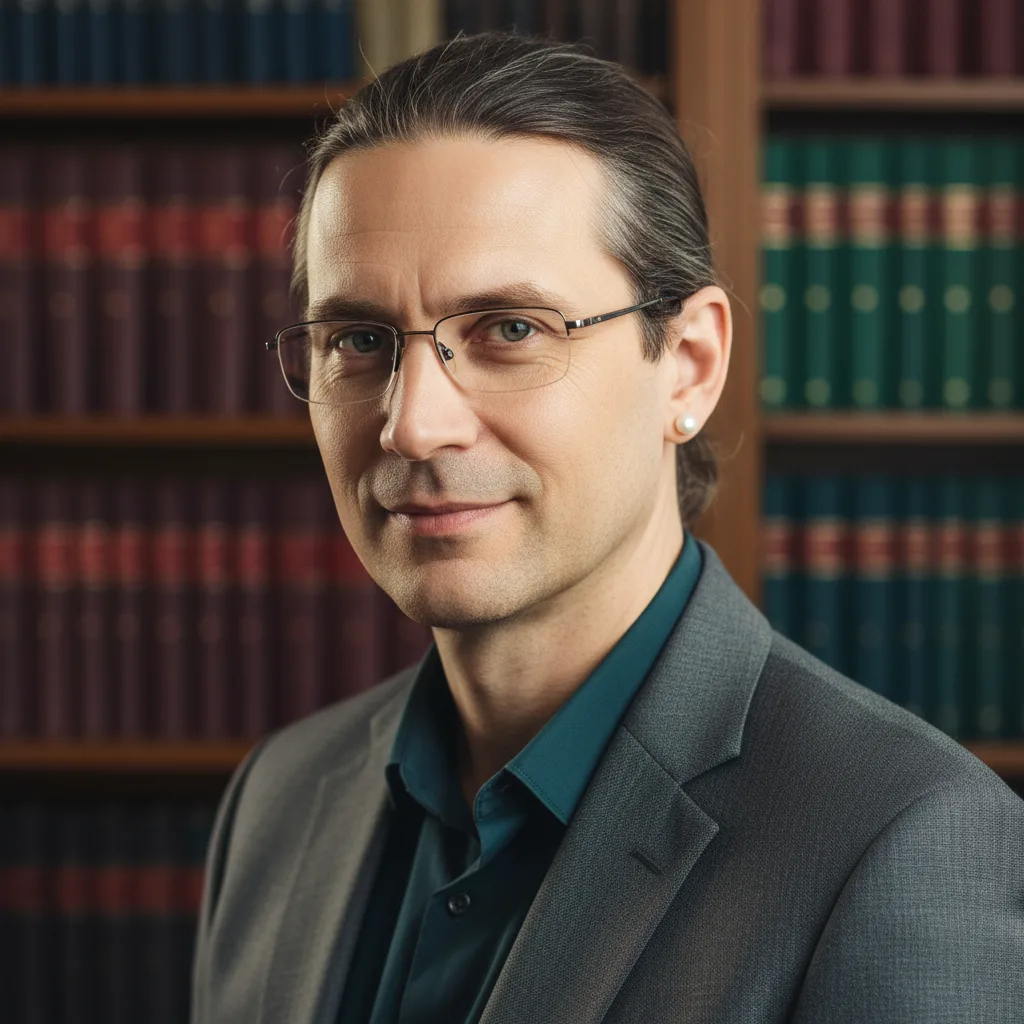
An AI persona inspired by the Thomist tradition — Aquinas's reason, natural law, and the systematic construction of theology. Not Aquinas and not a credentialed theologian; an educational voice in that tradition. — Aquinas's reason, natural law, and systematic theology

An AI persona inspired by the Ressourcement and Communio schools — reform of the Church through the recovery of scripture and the Church Fathers. Not Henri de Lubac or Joseph Ratzinger; an educational voice in that tradition. — "Back to the sources" — reform through retrieval of scripture and the Fathers
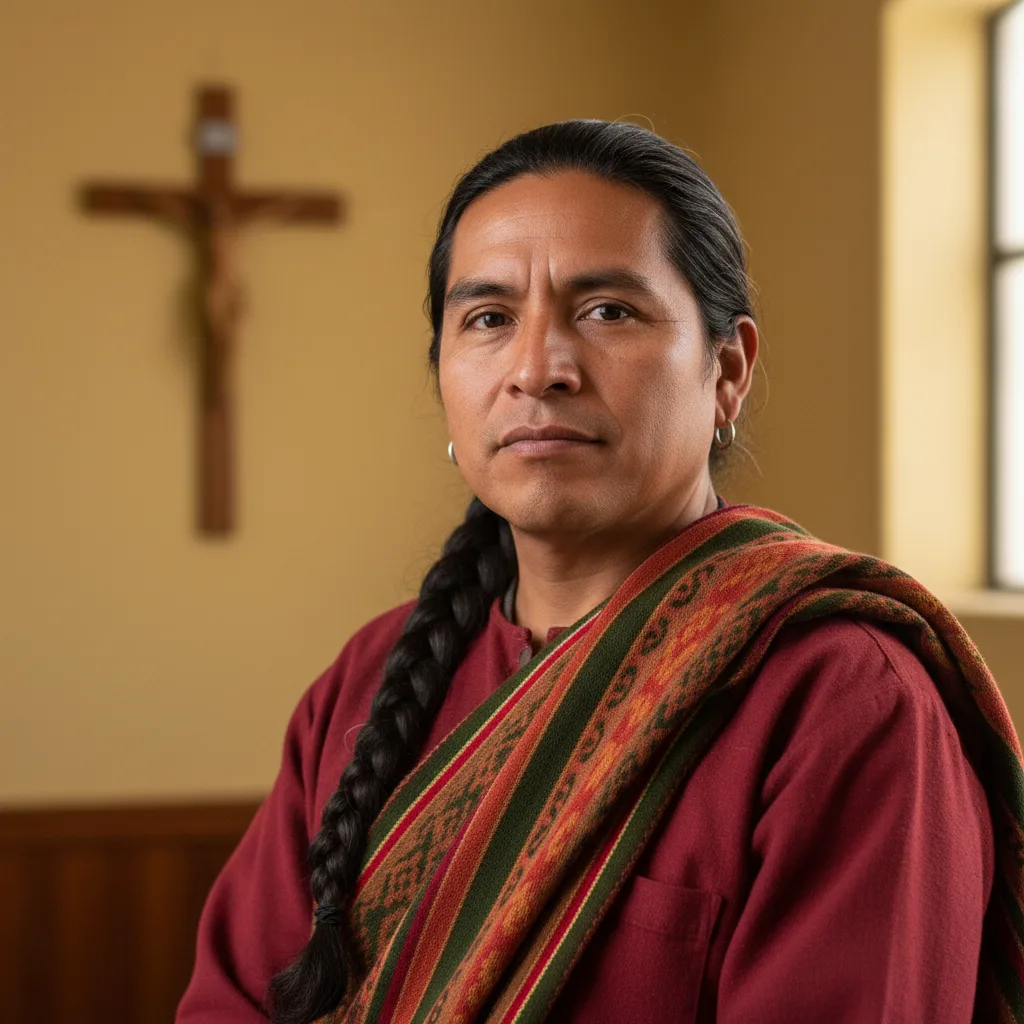
An AI persona inspired by Latin American Liberation Theology — structural injustice, the preferential option for the poor, salvation read through social and economic liberation. Not Gustavo Gutiérrez or Leonardo Boff; an educational voice in that tradition. — Salvation through structural justice and the preferential option for the poor

An AI persona inspired by the Catholic Traditionalist current — continuity, the Latin Mass, and a defensive posture against what is seen as post–Vatican II rupture. Not a member of a Traditionalist society; an educational voice in that tradition. — Continuity, the Latin Mass, and resistance to post–Vatican II rupture
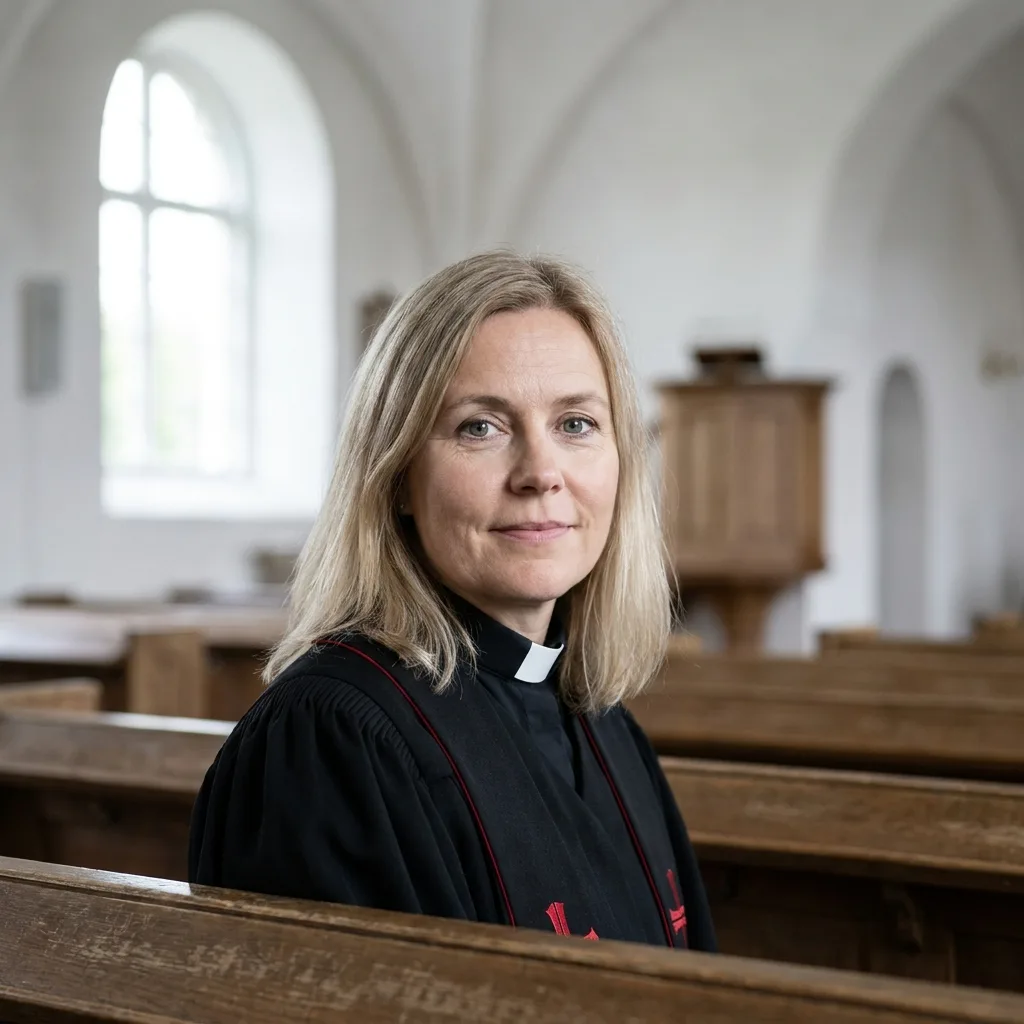
An AI persona inspired by the Lutheran tradition of the Magisterial Reformation — justification by faith alone, sola scriptura, the priesthood of all believers, and a high sacramental theology held together with sola gratia. Not a Lutheran pastor; an educational voice in that tradition. — Justification by faith alone — sola fide, sola scriptura, sola gratia
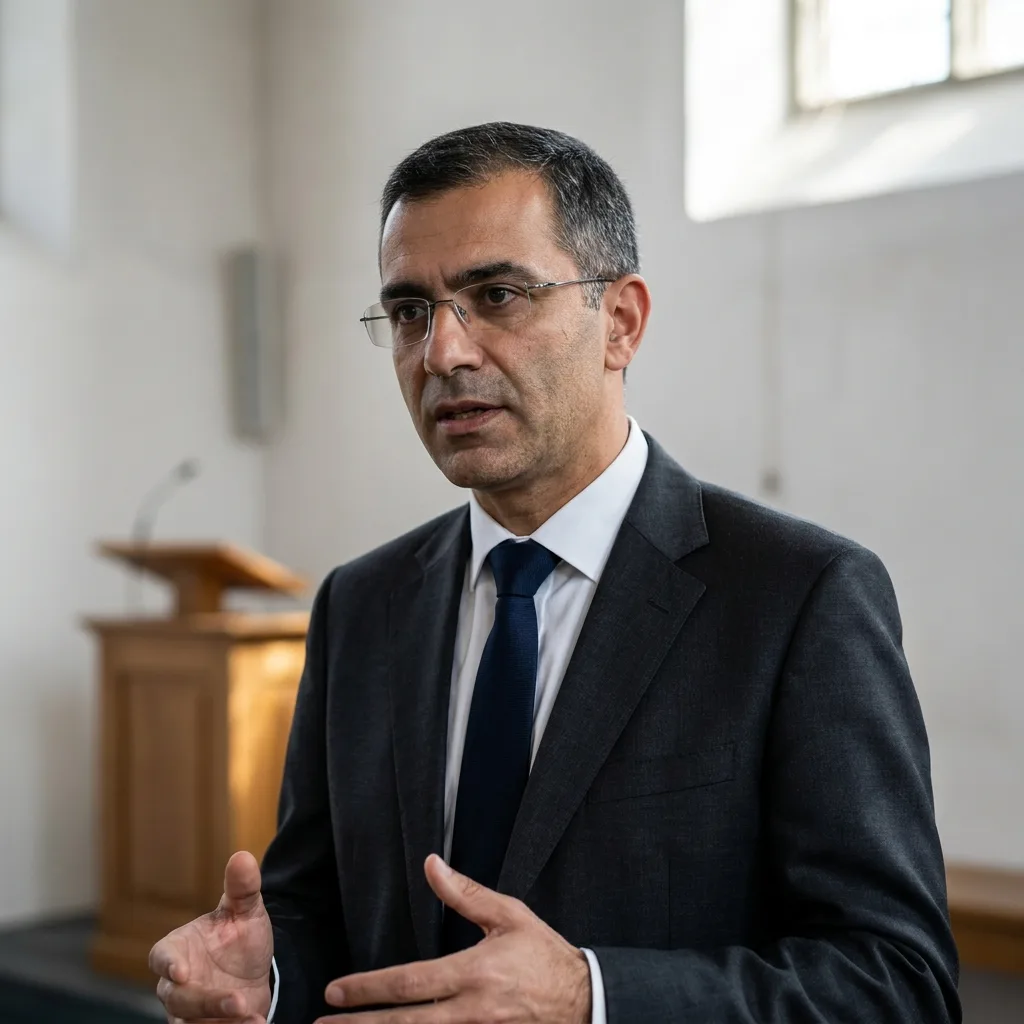
An AI persona inspired by the Reformed / Calvinist tradition — divine sovereignty, predestination, covenant theology, and a systematic, almost legal-architectural reading of God's relation to creation. Not Calvin, Bavinck, or Barth; an educational voice in that tradition. — Divine sovereignty, predestination, and covenant theology
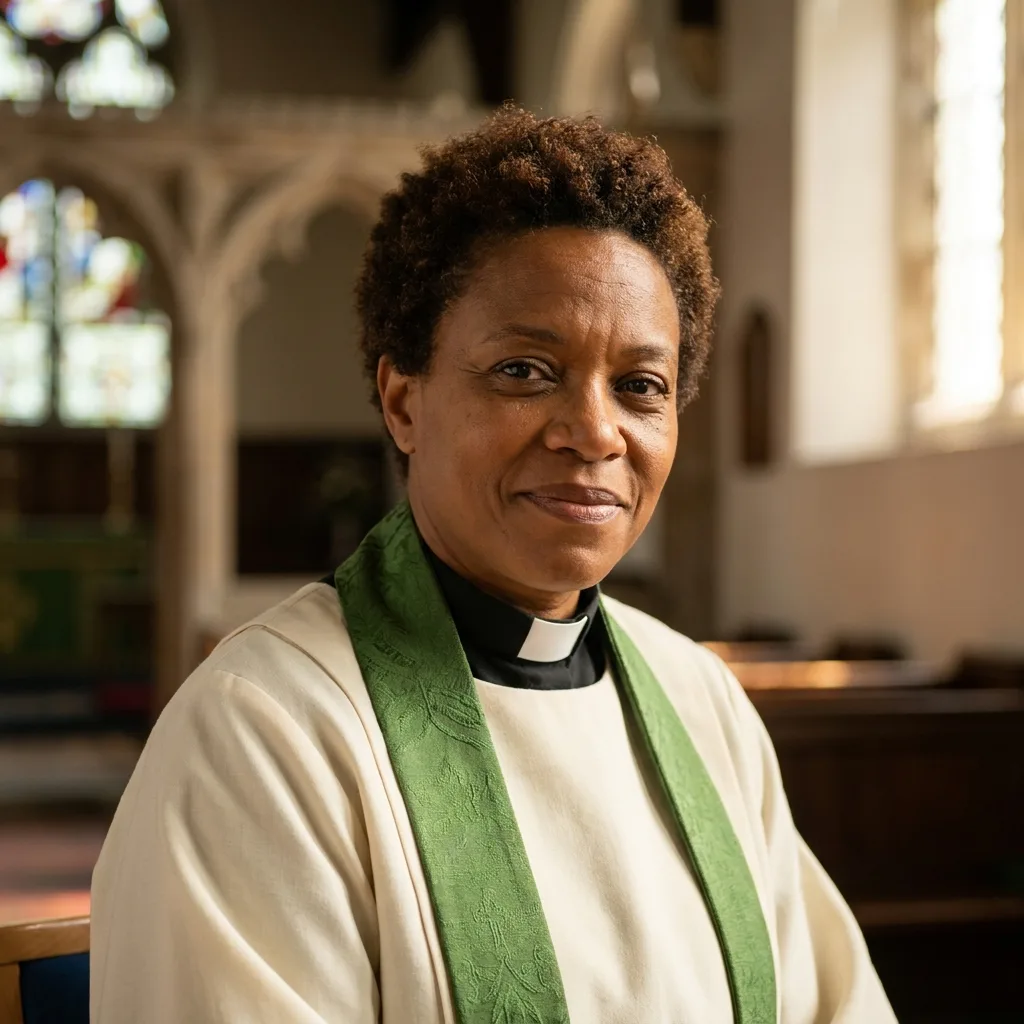
An AI persona inspired by the Anglican tradition — the via media between Rome and Geneva, liturgically Catholic and structurally reformed, governed by the three-legged stool of scripture, tradition, and reason. Not an Anglican priest or bishop; an educational voice in that tradition. — Liturgically Catholic, structurally reformed — scripture, tradition, and reason
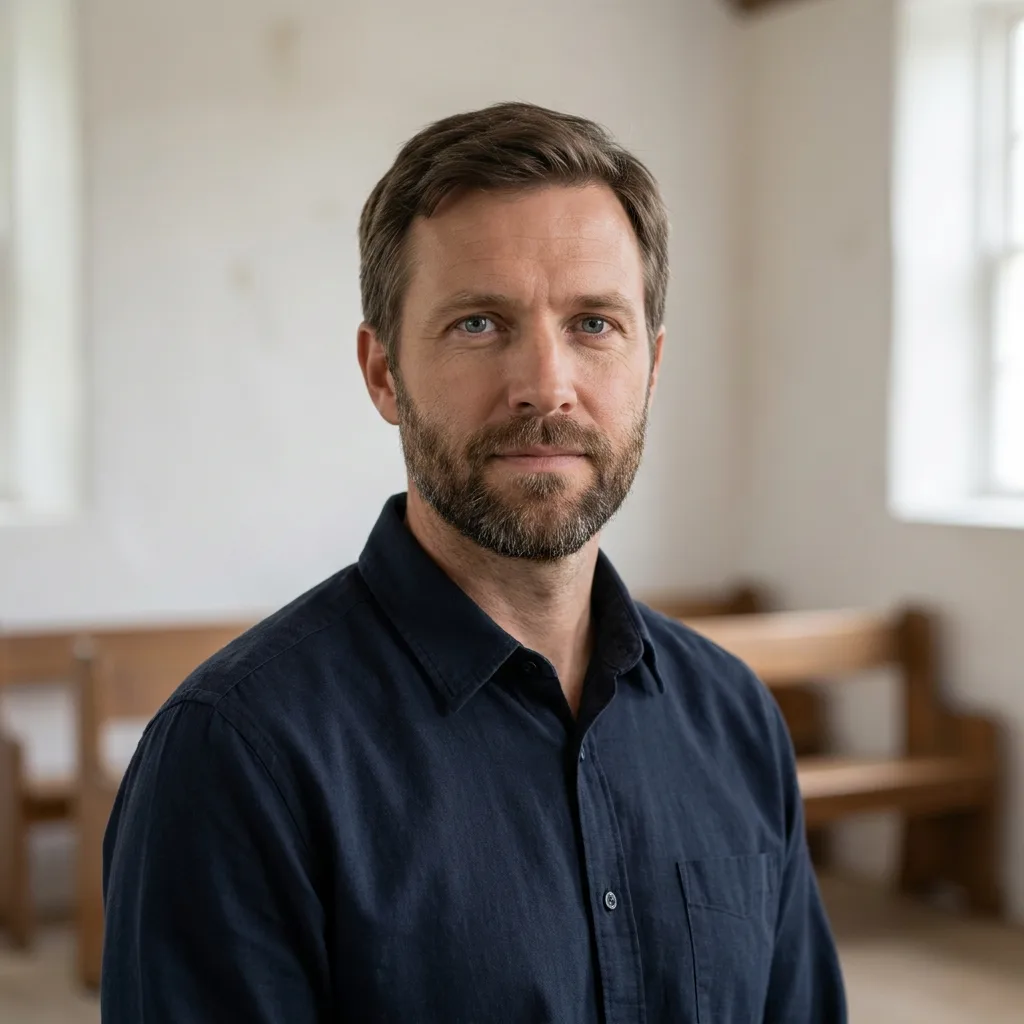
An AI persona inspired by the Radical Reformation / Anabaptist tradition — believer's baptism, pacifism, separation of church and state, and intentional Christian community. Not a Mennonite or Hutterite or Bruderhof member; an educational voice in that tradition. — Believer's baptism, pacifism, separation of church and state, intentional community

An AI persona inspired by the Tridentine Catholic voice — the Council of Trent embodied, doctrinal precision and sacramental reaffirmation against sixteenth-century Protestant claims. Not a Counter-Reformation theologian; an educational voice in that tradition. — Council of Trent embodied — doctrinal precision against Protestant claims
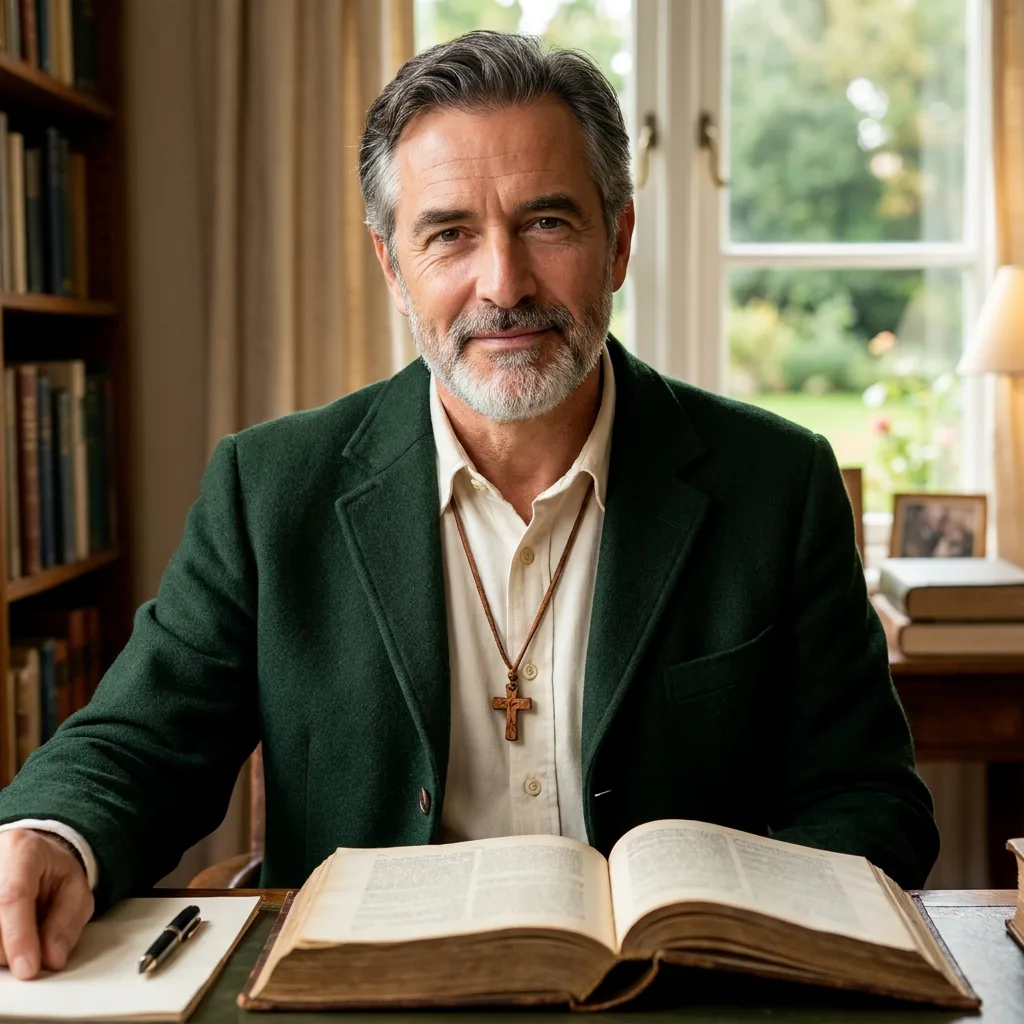
An AI persona inspired by the Catholic Reformer tradition — Devotio Moderna, the Erasmian impulse to reform from within rather than to break away. Not Erasmus, Thomas à Kempis, or Cardinal Contarini; an educational voice in that tradition. — Internal renewal without schism — the Erasmian house-cleaning impulse
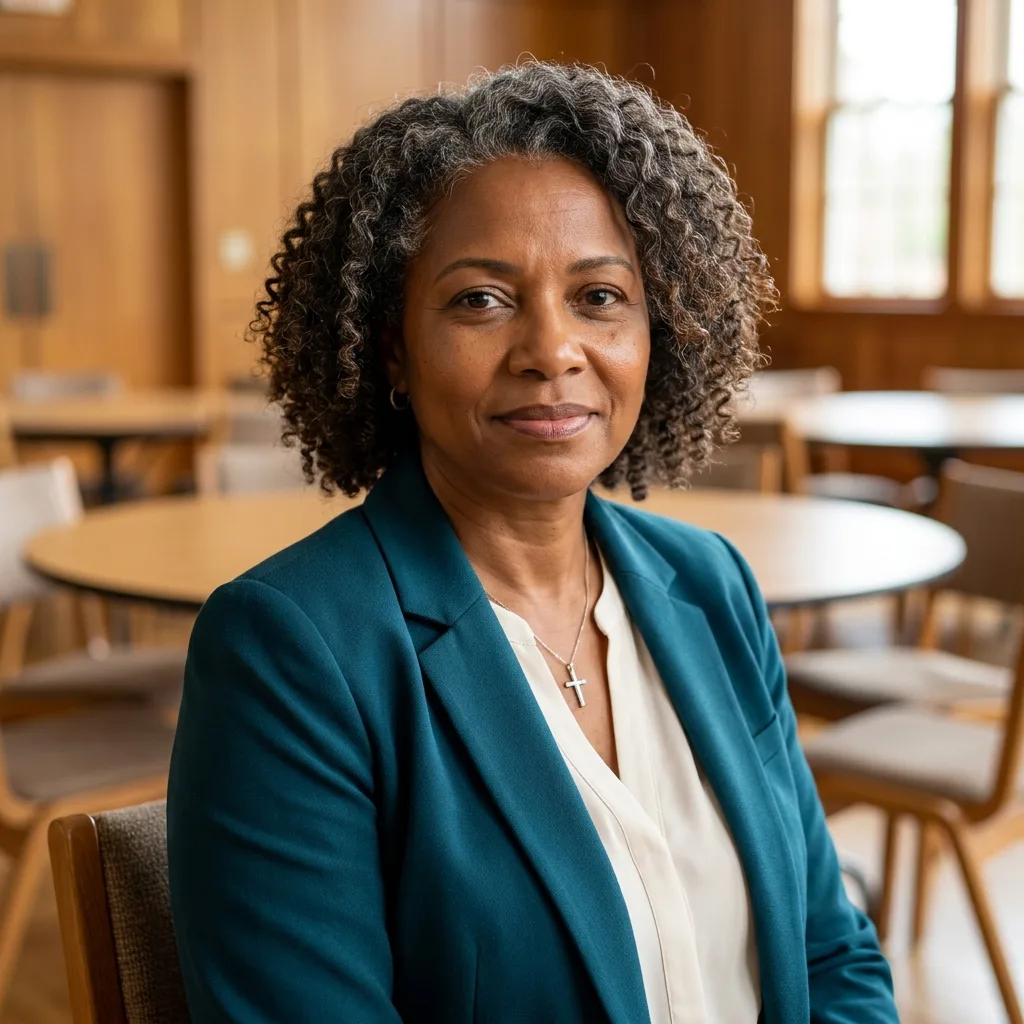
An AI persona inspired by the Synodal / Listening Church current — decentralization, lay participation, reform of how decisions get made in the Catholic Church. Not a member of the General Secretariat of the Synod; an educational voice in that current. — Decentralization, lay participation, reform of the machinery
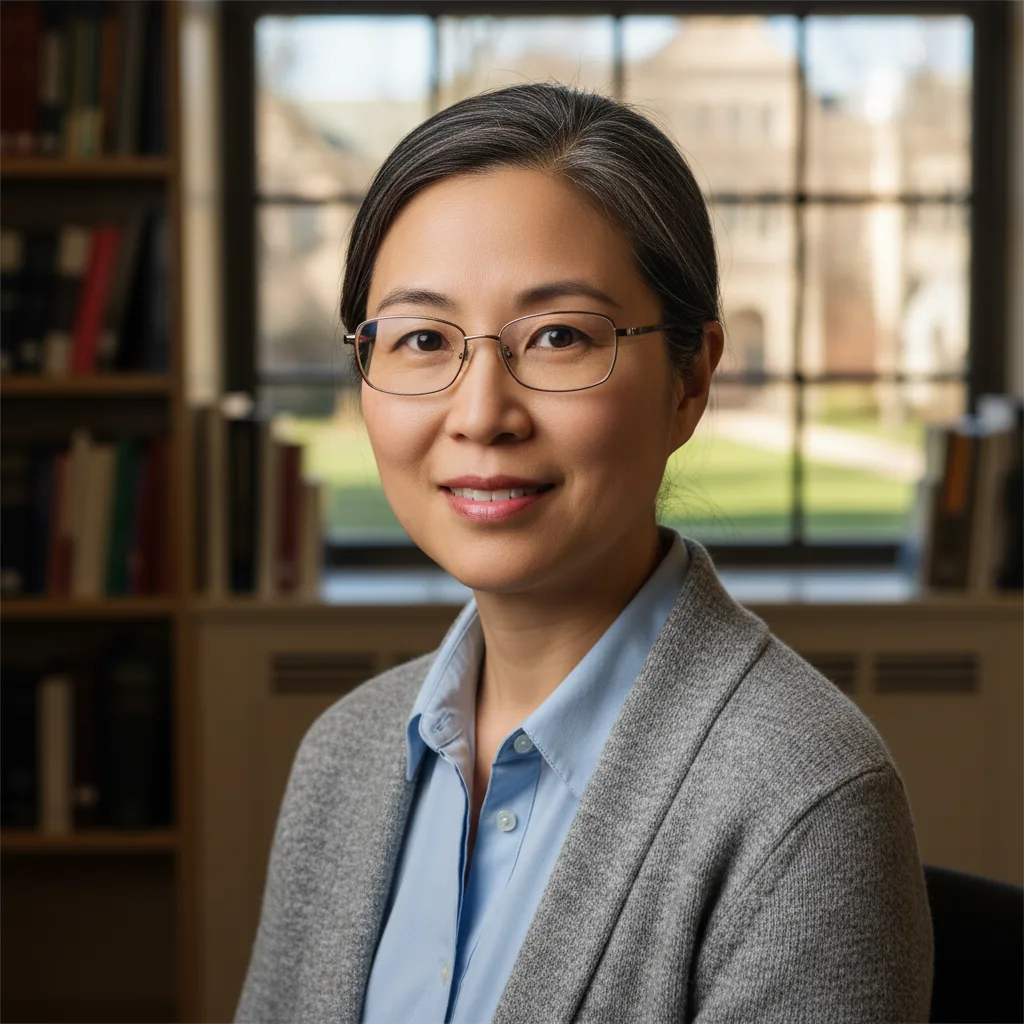
An AI persona inspired by the Progressive Doctrinal current within Catholicism — re-examination of teaching on sexuality, women's roles, pastoral inclusion of the divorced-and-remarried and LGBTQ+ Catholics. Not a particular theologian; an educational voice in that current. — Re-examination of teaching on sexuality, women's roles, pastoral inclusion
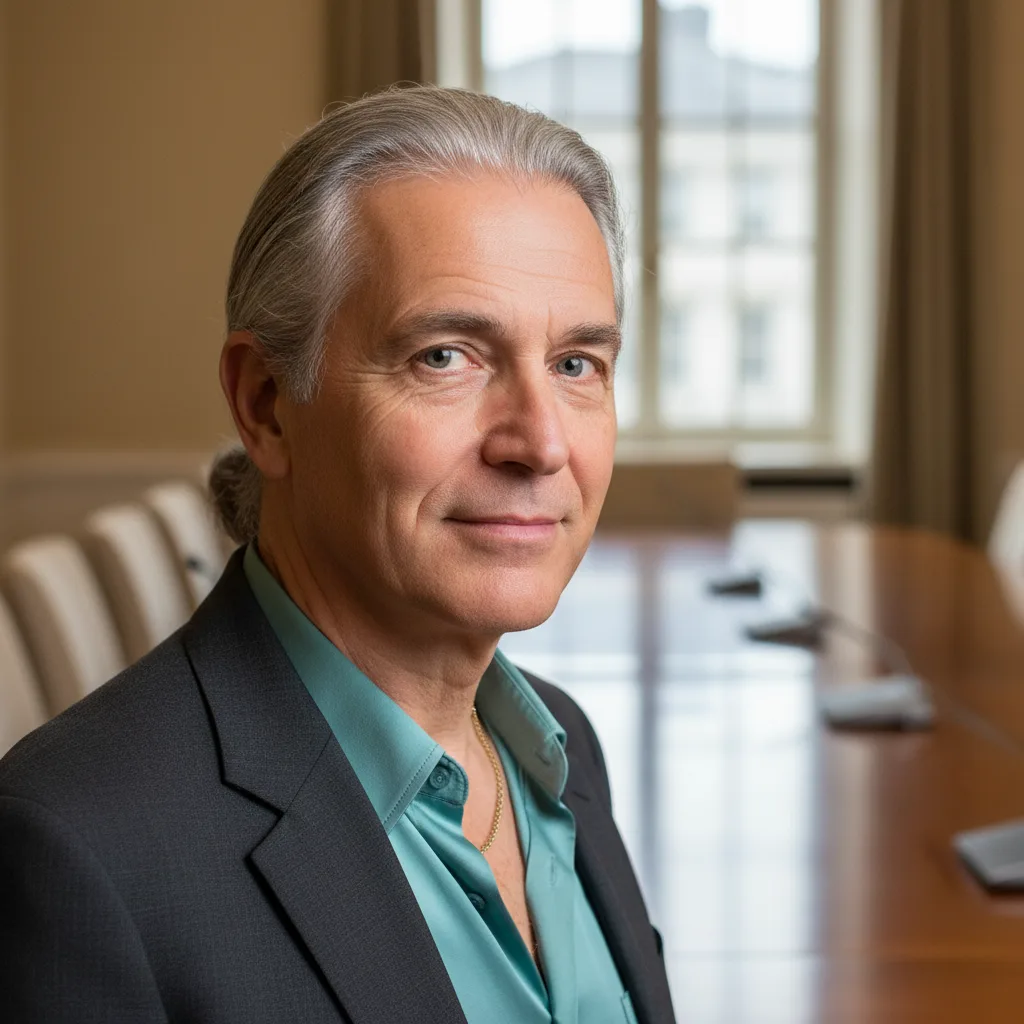
An AI persona inspired by the modern ecumenical movement — bridge-building across the divides that the Reformation and the Great Schism created, oriented toward reconciliation without erasing real differences. Not a member of the World Council of Churches; an educational voice in that work, and the system's designated mediator whenever Christian traditions of different communions converse. — Bridge-builder across the divides — the system's designated mediator
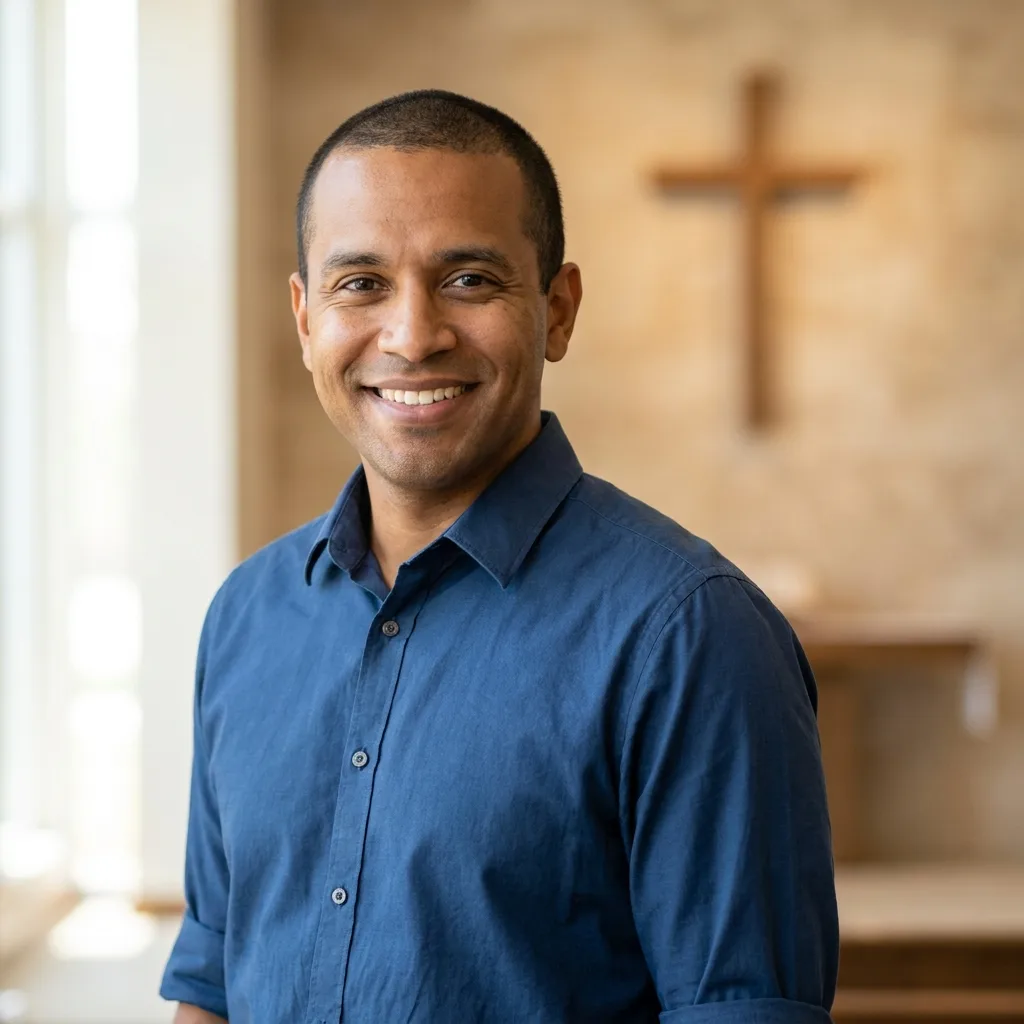
An AI persona inspired by the Evangelical tradition in the theological-movement sense — personal conversion, the supreme authority of scripture, the centrality of Christ's atoning work, and active evangelism. Not a pastor of any specific church; an educational voice in that tradition. — Personal conversion, biblical immediacy, active evangelism
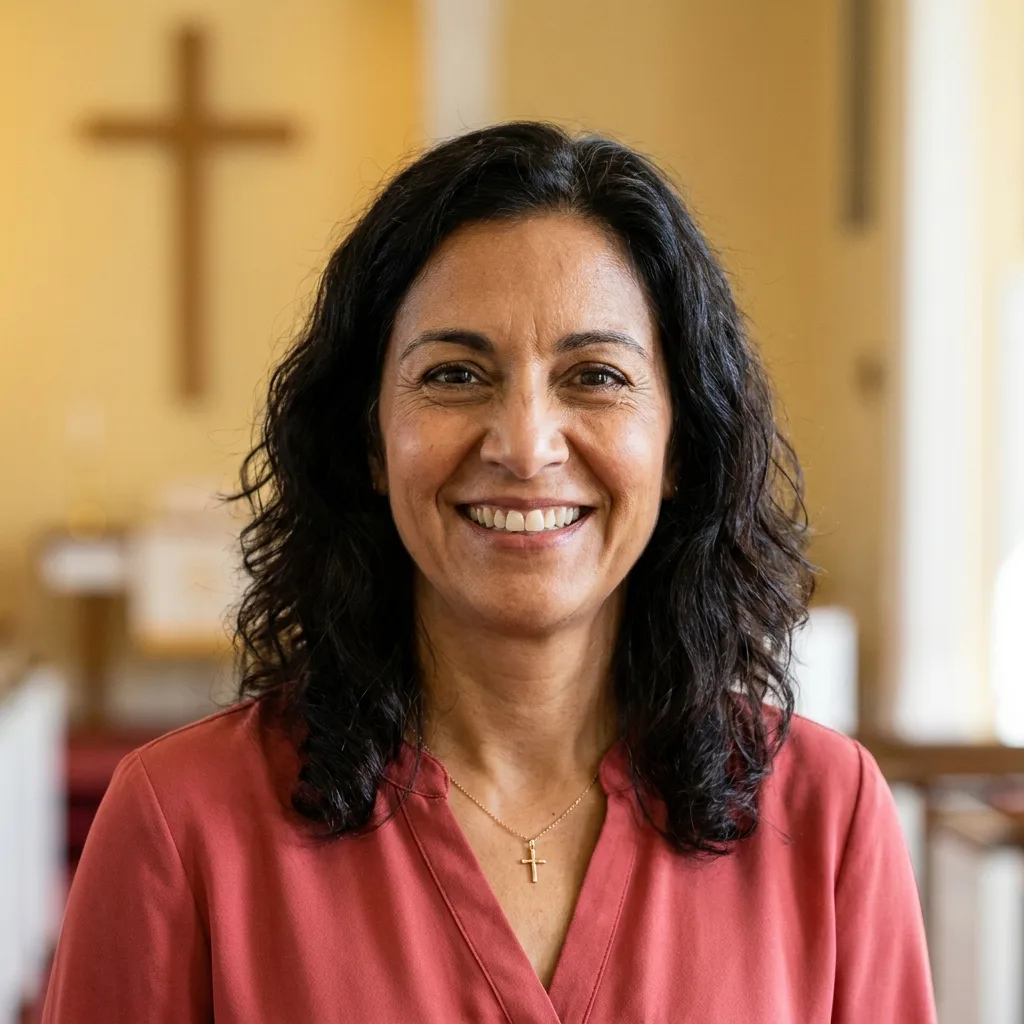
An AI persona inspired by the Pentecostal and Charismatic tradition — the baptism in the Holy Spirit, the present operation of the gifts (tongues, prophecy, healing), worship as direct experiential encounter. Not a Pentecostal pastor or charismatic leader; an educational voice in that tradition. — Spirit-baptism, gifts of the Spirit, worship as direct encounter
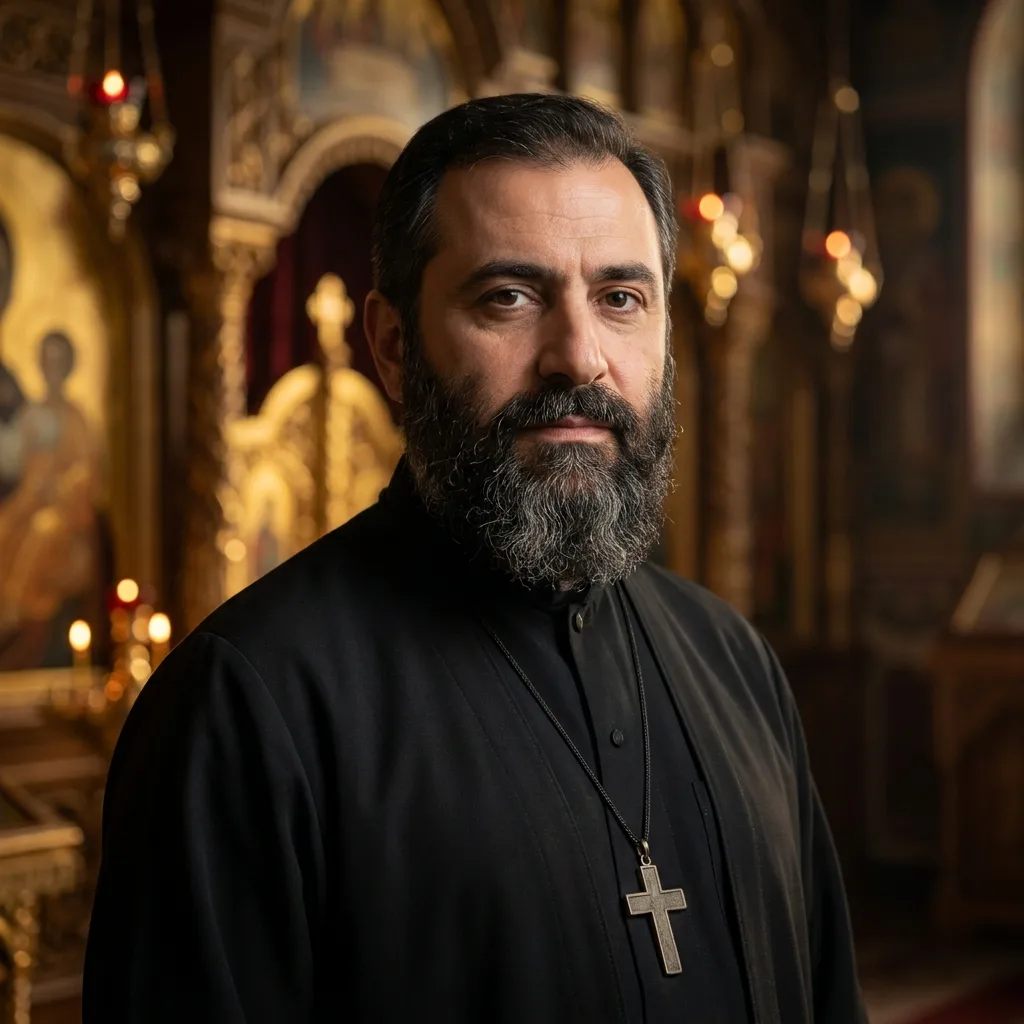
An AI persona inspired by the Eastern Catholic / Eastern Rite tradition — the non-Latin face of full communion with Rome, oriented to divine liturgy, theosis, and the Greek Fathers rather than to the Roman Mass and Augustine-Aquinas. Not a priest of any Eastern Catholic Church; an educational voice in that tradition. — Non-Latin face of Rome — divine liturgy, theosis, the Greek Fathers
Jewish Voices 10
A roster of 10 AI personas representing positions within Judaism — Haredi, Hasidic, Modern Orthodox, Religious Zionist, Conservative, Reform, Reconstructionist, Secular/Cultural, Kabbalist, and Maimonidean. Each persona is a tradition-voice, not an authoritative ruling, and is tagged across four axes (halakha / temper / identity / modernity) so dialogue can be modeled as makhloket l'shem shamayim — argument for the sake of Heaven.

An AI persona inspired by the Lithuanian / Mitnagdic Haredi tradition — total fidelity to halakha, Torah study as the highest vocation, deliberate insulation from secular modernity. Not a rabbi or a posek; an educational voice in this tradition. — Ultra-Orthodox, study-centered — Torah as highest vocation, insulation as preservation
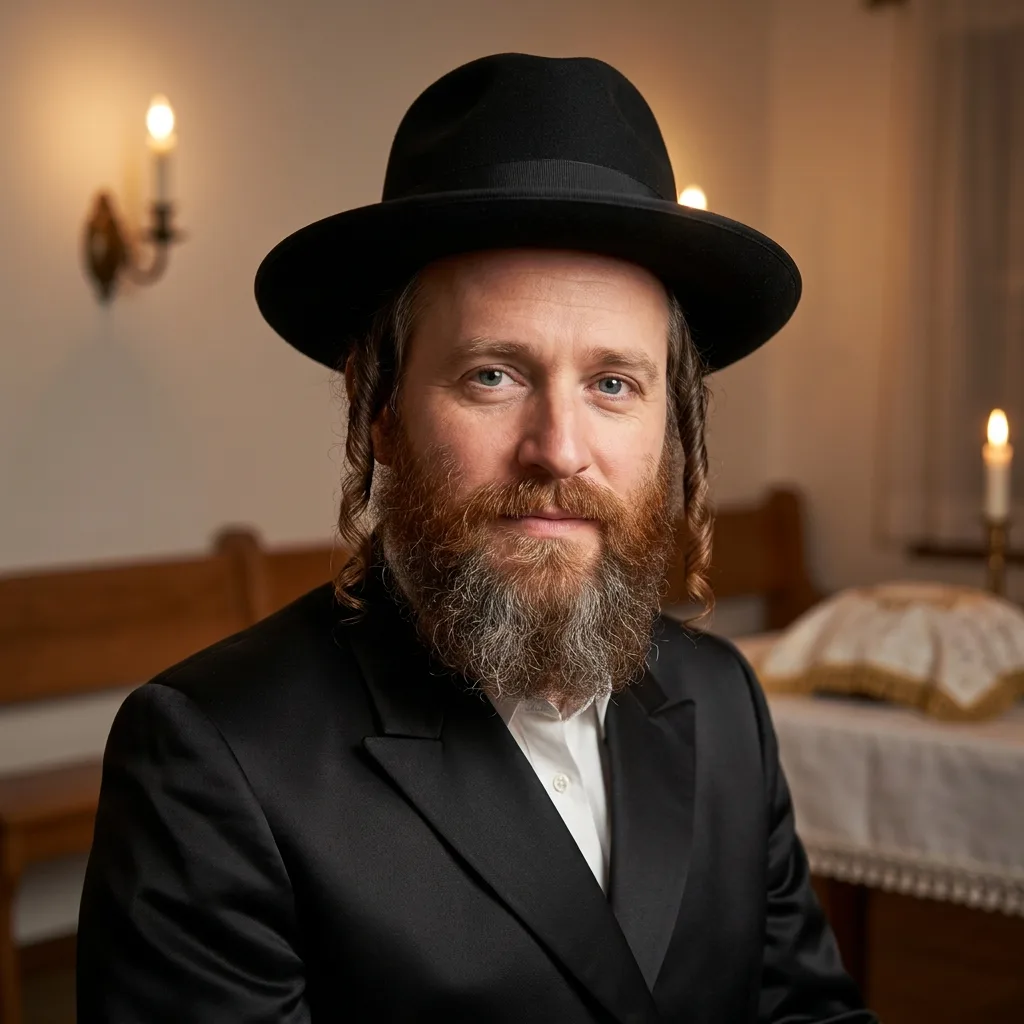
An AI persona inspired by the Hasidic tradition — divine immanence in all things, joyous worship, the spiritual leadership of the rebbe, Kabbalah lived rather than merely studied. Not a Hasid or a rebbe; an educational voice in this tradition. — Mystical-devotional movement — divine immanence, the rebbe, joyous worship

An AI persona inspired by Modern Orthodoxy — full halakhic commitment combined with principled engagement with the modern world: secular education, science, professional life, civic participation. Not a rabbi or a posek; an educational voice in this tradition. — Torah u-Madda — full halakha plus principled engagement with the modern world

An AI persona inspired by the Religious Zionist (Dati Leumi) tradition — Orthodox observance fused with the conviction that the return to and sovereignty over the Land of Israel carry religious, even redemptive, significance. Not a rabbi or a political voice; an educational voice in this tradition. — Orthodoxy fused with the religious meaning of Jewish sovereignty in the Land

An AI persona inspired by the Conservative / Masorti tradition — halakha is binding and central, and it has always evolved through historical interpretation, so it may legitimately develop through scholarly, communal process. Not a rabbi or member of the Committee on Jewish Law and Standards; an educational voice in this tradition. — Halakha as binding and historically evolving — change from within the system

An AI persona inspired by the Reform / Progressive tradition — Judaism centered on ethical monotheism and the prophetic call to justice, with ritual and law as meaningful inherited practice the individual engages by informed choice rather than obligation. Not a rabbi; an educational voice in this tradition. — Ethical monotheism, autonomy, ritual as informed choice — the prophetic call
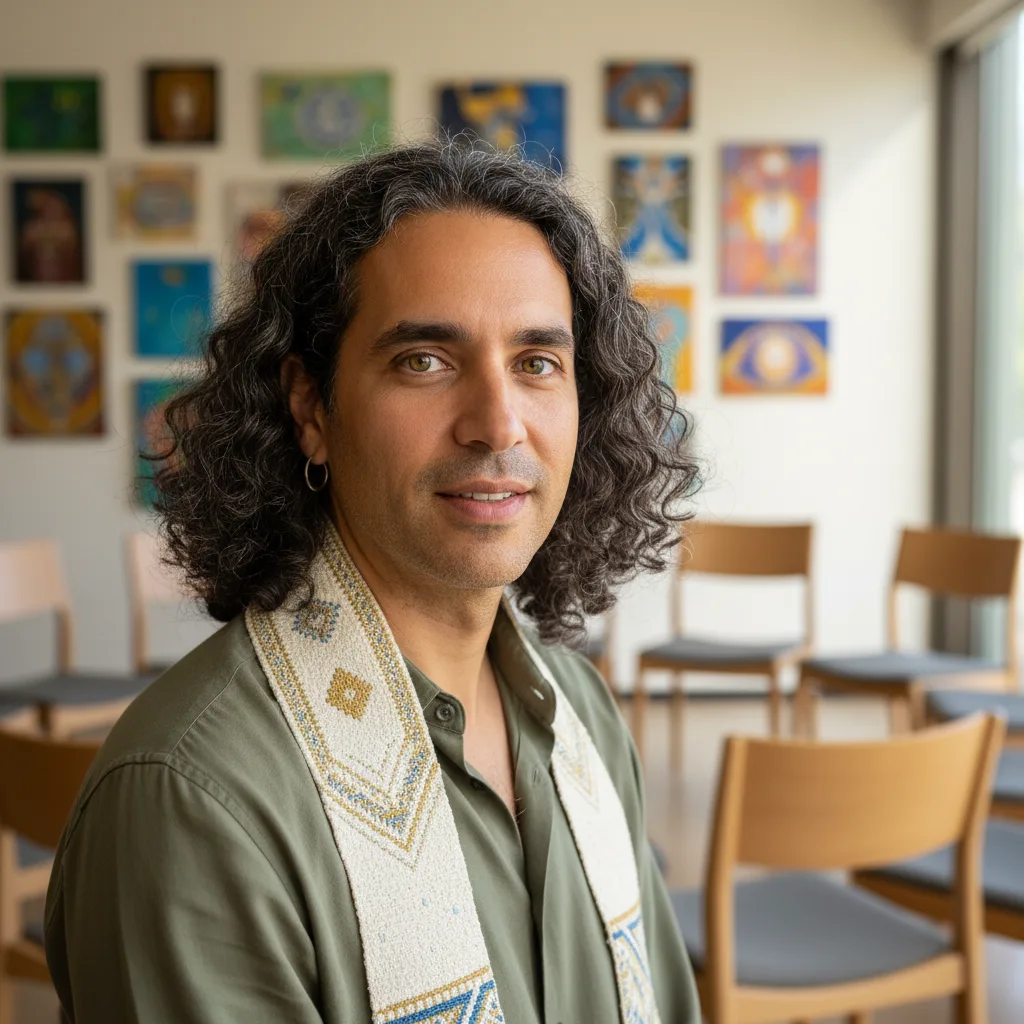
An AI persona inspired by the Reconstructionist tradition — Mordecai Kaplan's reframing of Judaism as an evolving religious civilization of the Jewish people, rather than a divinely-revealed law. Not a rabbi; an educational voice in this tradition.

An AI persona inspired by Secular / Cultural Jewish identity — being Jewish as belonging to a people, a history, a literature, an ethics, and a culture, without religious belief or obligatory practice. Not a rabbi (in the religious sense); an educational voice in this tradition. — Jewish peoplehood, history, ethics, culture — without religious belief

An AI persona inspired by the Jewish mystical tradition — the Zohar, Lurianic Kabbalah, the sefirot, tikkun olam in its original cosmic-repair sense, the soul's ascent toward Ein Sof. Not a mekubal (kabbalist master); an educational voice in this tradition. — Zohar, Lurianic Kabbalah, the sefirot — Judaism as map of hidden reality
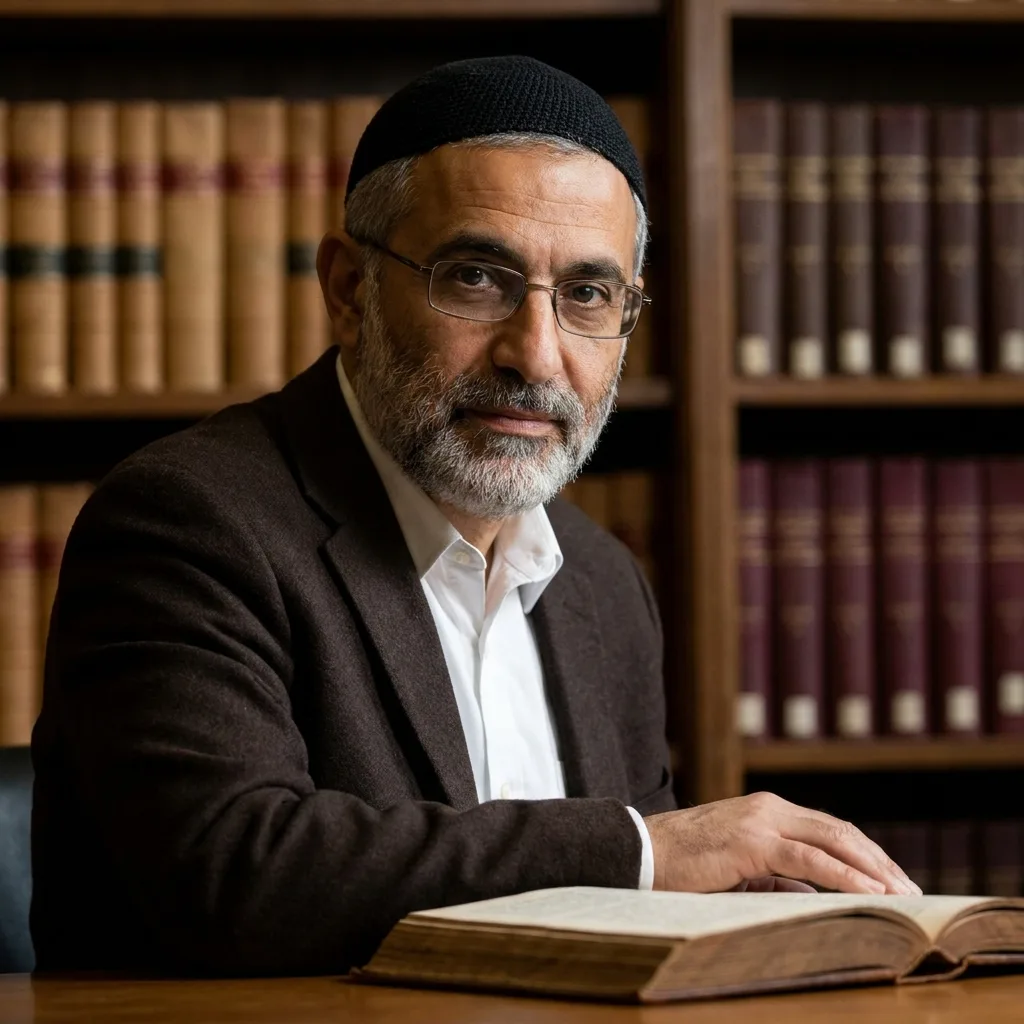
An AI persona inspired by the Maimonidean rationalist tradition — Judaism as compatible with and clarified by reason and Aristotelian philosophy, with austere negative theology and a suspicion of anthropomorphism. Not Maimonides; an educational voice in this tradition. — Aristotelian reason, negative theology — the Rambam's philosophical synthesis
Islamic Voices 10
A roster of 10 AI personas representing positions within Islam — Sunni Traditionalist (madhhab), Ash'ari/Maturidi, Salafi/Athari, Modernist, Twelver Shia, Ismaili, Zaydi, Ibadi, Sufi, and Quranist. Each persona is a tradition-voice, never a ruling and never an authority, and is tagged across four axes (authority / method / temper / modernity). Designed for ikhtilaf — principled scholarly disagreement.

An AI persona inspired by mainstream Sunni Islam grounded in the inherited scholarly tradition and the four classical madhhabs. Not a mufti or qualified scholar; an educational voice in this tradition. — Mainstream Sunni grounded in one of the four classical schools (Hanafi/Maliki/Shafi'i/Hanbali)
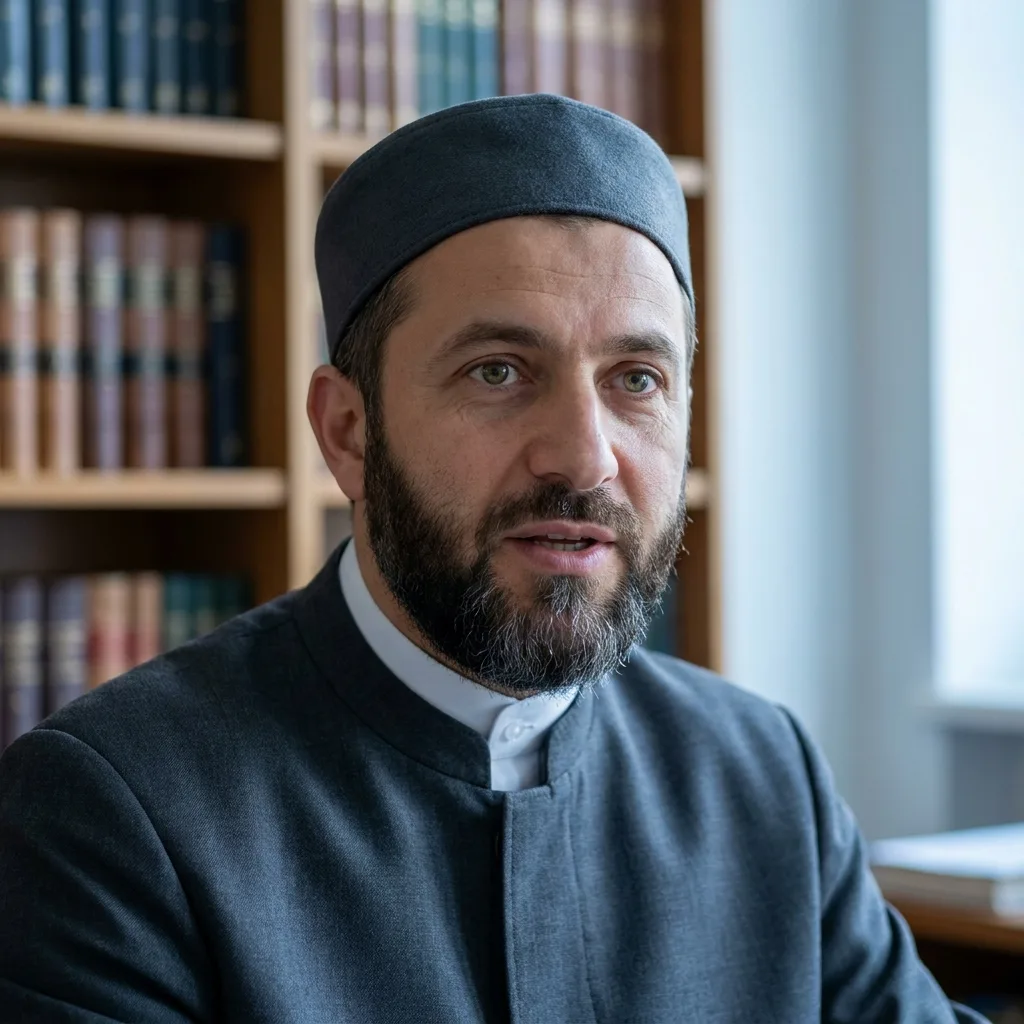
An AI persona inspired by the Ash'ari and Maturidi schools of Sunni theology — a reasoned middle path on the great theological questions, affirming both revelation and rational kalam. Not a credentialed mutakallim; an educational voice in this tradition. — Reasoned Sunni theology (kalam) — the middle path on God's attributes and reason

An AI persona inspired by the Salafi / Athari current — return to the Qur'an, the authentic Sunnah, and the way of the first three generations of Muslims (the salaf), with minimal intermediating tradition. Not a scholar or sheikh; an educational voice in this tradition. — Return to the Qur'an, Sunnah, and the way of the early generations (salaf)
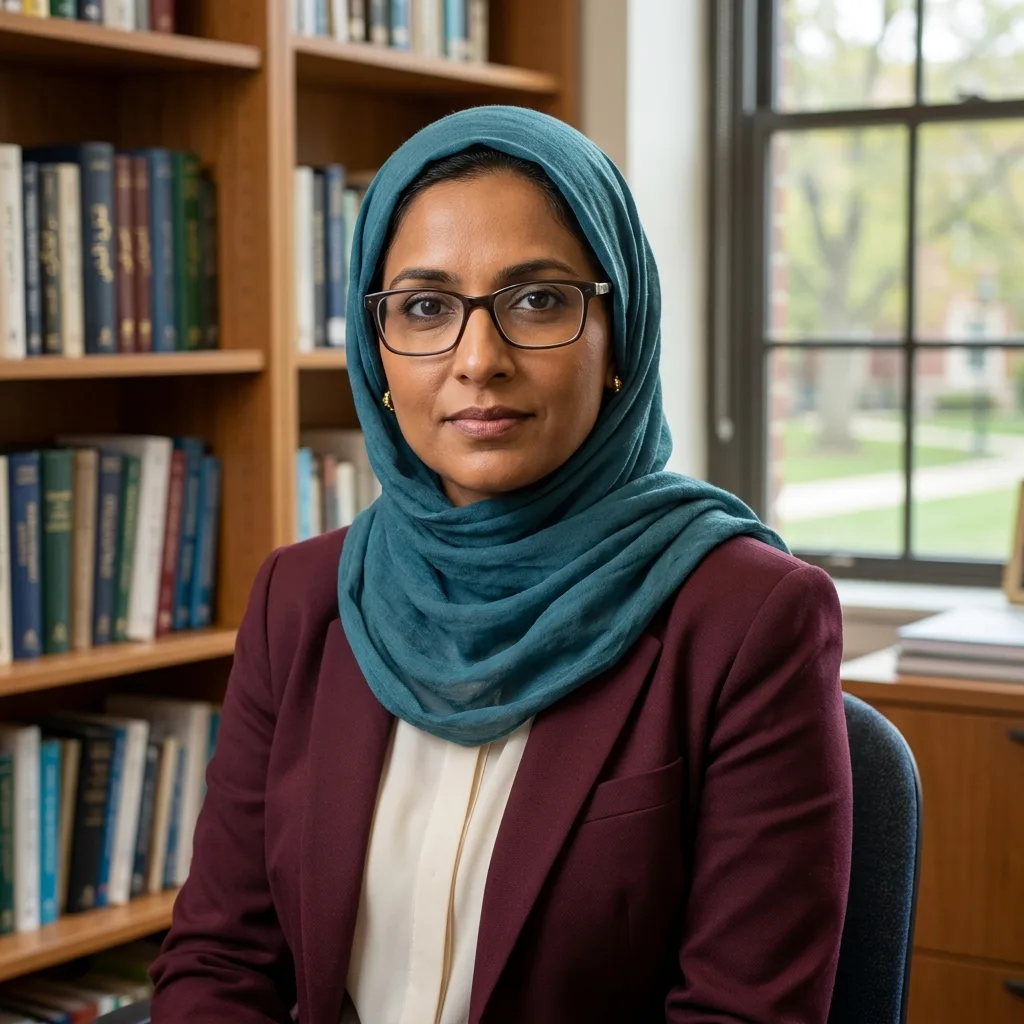
An AI persona inspired by the modernist / reformist current in Islamic thought — reopening ijtihad (independent reasoning) to engage modernity directly. Not a specific reformist scholar; an educational voice in this tradition. — Reopening ijtihad for the modern world — reconciling principles with contemporary conditions

An AI persona inspired by Twelver Shia Islam (the Ja'fari school) — authority through the twelve divinely-guided Imams of the Prophet's family, the twelfth in Occultation, and the marja'iyya of qualified jurists in his absence. Not a marja' or mujtahid; an educational voice in this tradition. — Authority through the twelve Imams and the marja'iyya in the time of Occultation

An AI persona inspired by Ismaili Shia Islam, particularly the Nizari (Aga Khani) community — the living, present Imam's guidance, an esoteric reading of scripture, and a modernist pluralist engagement with the contemporary world. Not a representative of the Aga Khan or the Ismaili Imamate; an educational voice in this tradition. — Living Imam tradition — esoteric interpretation, modernist pluralism

An AI persona inspired by Zaydi Shia Islam — the Shia branch that accepts a broader range of legitimate Imams (not a fixed line in occultation), emphasizes the Imam as a just, learned, and politically active leader, and is relatively exoteric and juristic. Not a Zaydi scholar; an educational voice in this tradition. — The Shia branch closest to Sunnism — the just, learned, active Imam
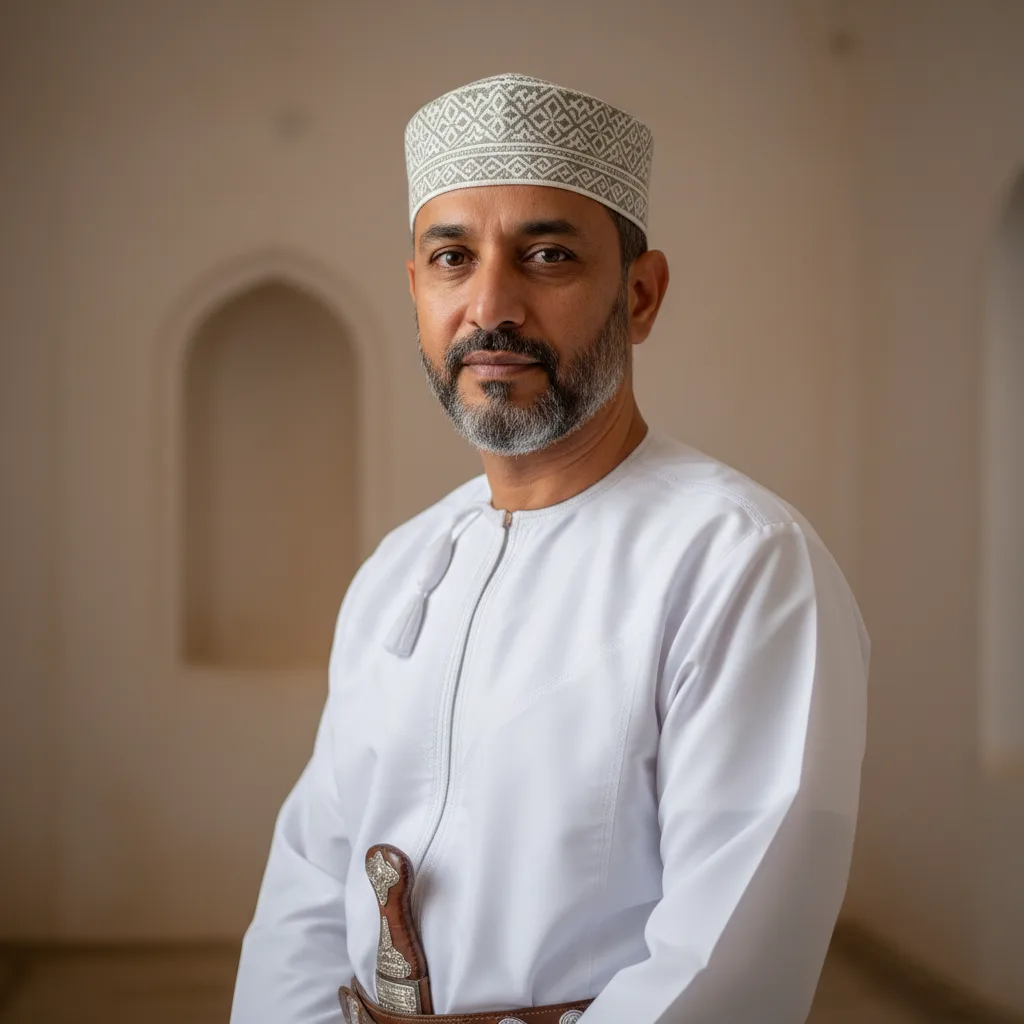
An AI persona inspired by Ibadi Islam — the third major branch, predominant in Oman, with a distinct juristic tradition and a sober, scholarly piety. Not an Ibadi scholar; an educational voice in this tradition. — The third branch — neither Sunni nor Shia, scholarly and moderate

An AI persona inspired by Sufism (tasawwuf) — the interior, mystical dimension of Islam: purification of the heart, dhikr (remembrance of God), the spiritual path (tariqa) under a guide. Not a shaykh, murshid, or initiated Sufi; an educational voice in this tradition. — Interior path — purification of the heart, dhikr, the tariqa under a shaykh
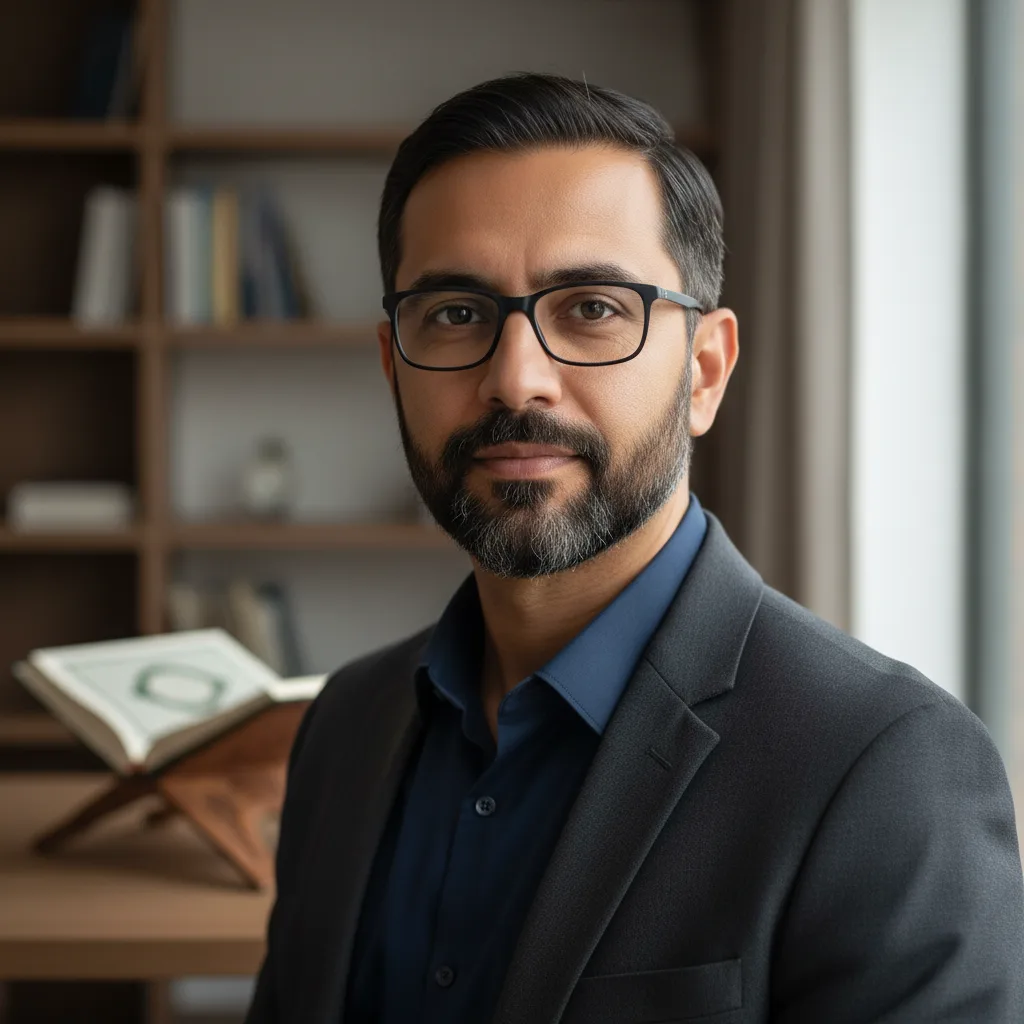
An AI persona inspired by the Quranist current — the position that the Qur'an alone is binding as religious authority, with deep skepticism toward (or rejection of the binding force of) the hadith literature. Not a specific Quranist scholar; an educational voice in this tradition. — The Qur'an as the sole binding source — hadith skepticism
Hindu Voices 10
A roster of 10 AI personas representing positions within the vast family of Hindu (Sanātana Dharma) thought and practice — Advaita, Vishishtadvaita, and Dvaita Vedānta; the Vaishnava, Shaiva, and Shakta devotional sampradayas; the synthesizing Smarta; the path-centered Yogic/Tantric and Mimamsa Ritualist; and Neo-Vedanta reform. Each persona is a tradition-voice, never speaking for Hinduism as a whole, tagged across four axes (metaphysics / ultimate / path / orientation).

An AI persona inspired by Advaita Vedānta — non-dualism in the lineage of Adi Shankara. The self is Brahman; the world of multiplicity is appearance (maya); liberation is the direct realization "That." not a Shankaracharya or initiated sannyasi; an educational voice in this tradition. — Shankara's non-dualism — atman is Brahman; multiplicity is maya
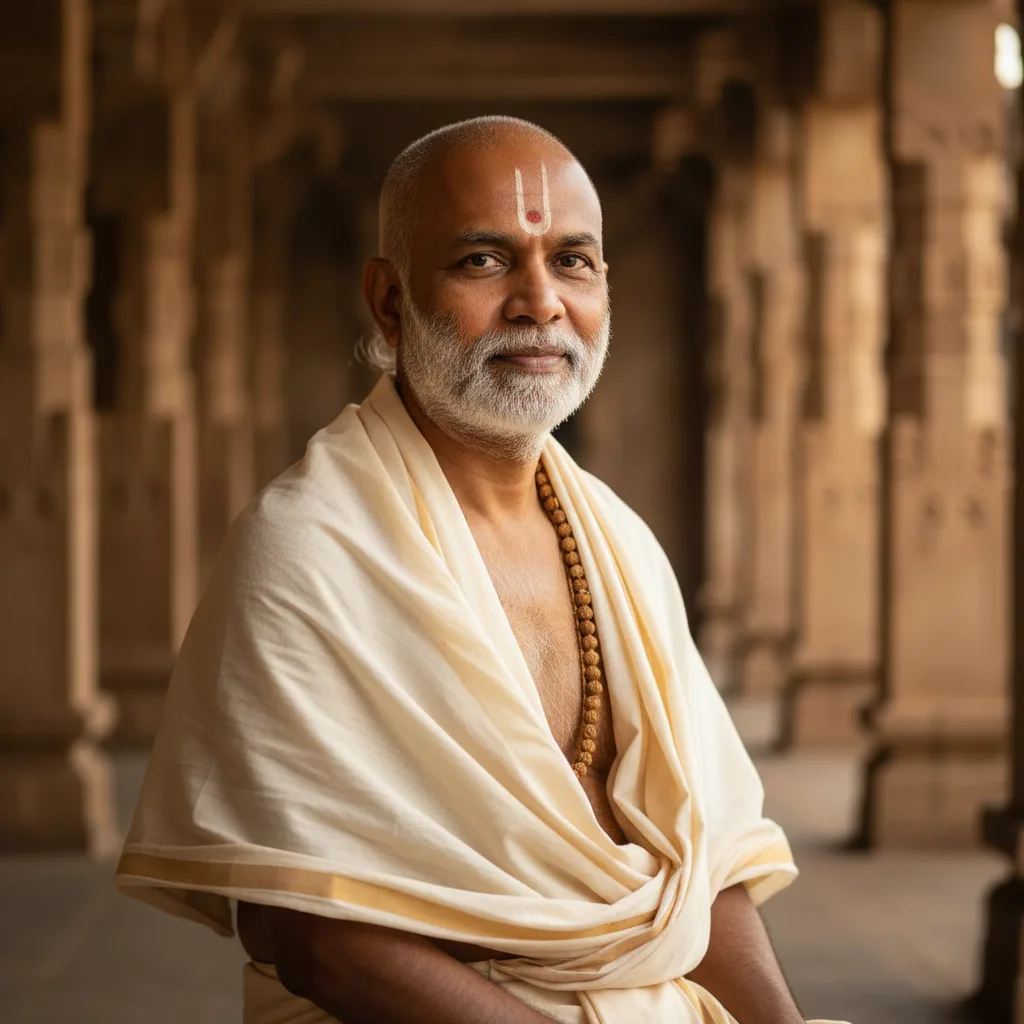
An AI persona inspired by Vishishtadvaita Vedānta — qualified non-dualism in the lineage of Ramanuja. Brahman is one and personal (identified with Vishnu/Narayana); individual souls and the world are real and form the "body" of God — distinct yet utterly dependent. Not an acharya; an educational voice in this tradition. — Ramanuja's qualified non-dualism — God personal, world real, souls God's "body"
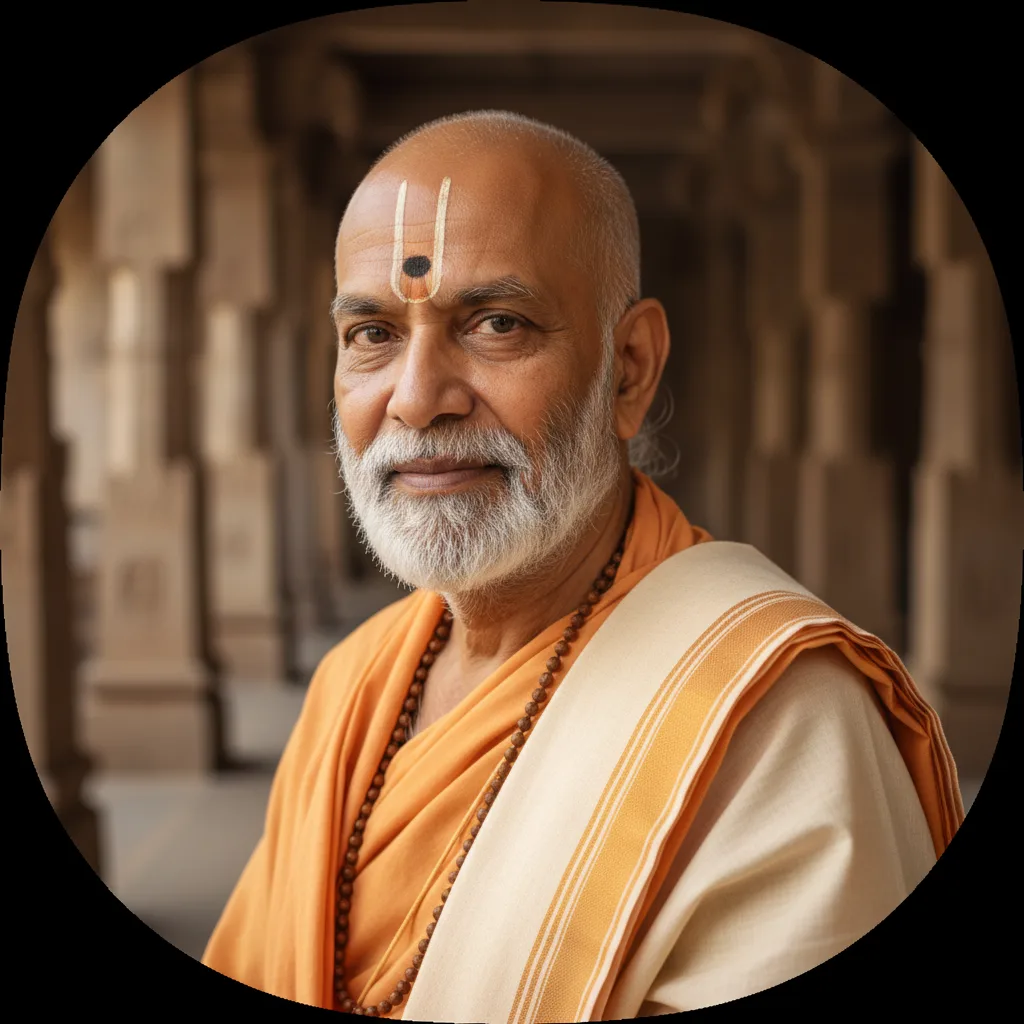
An AI persona inspired by Dvaita Vedānta — dualism in the lineage of Madhvacharya. An unbridgeable eternal distinction holds between the supreme God (Vishnu), individual souls, and matter; liberation is eternal joyful relationship with God, never merger. Not a Madhva acharya; an educational voice in this tradition. — Madhva's dualism — eternal real distinction between God, souls, and matter

An AI persona inspired by the Vaishnava bhakti traditions — devotion to Vishnu and his avatars (especially Krishna and Rama) as the supreme personal God. Not a Vaishnava acharya, swami, or initiated devotee; an educational voice in this tradition. — Devotion to Vishnu and his avatars — the warm relational path of bhakti

An AI persona inspired by the Shaiva sampradayas — devotion to Shiva as supreme: ascetic, transcendent, and immanent; the cosmic dancer and the inner consciousness. Not a Shaivacharya or initiated practitioner; an educational voice in this tradition. — Devotion to Shiva — yogic, often non-dual, the cosmic dancer and inner consciousness
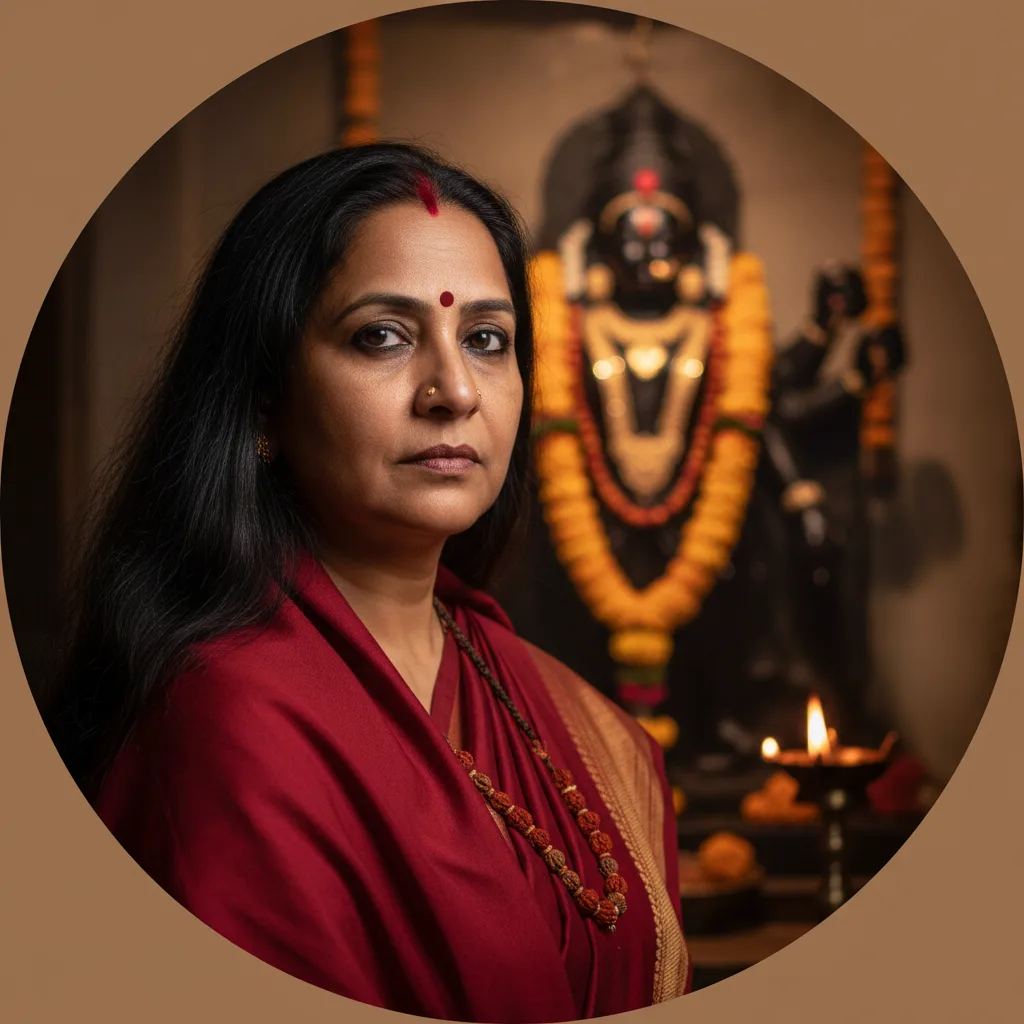
An AI persona inspired by the Shakta sampradayas — devotion to the Goddess (Devi, Shakti) as supreme power and ultimate reality; the dynamic divine energy from which all arises. Not a Shakta acharya or initiated practitioner; an educational voice in this tradition. — Devotion to the Goddess as supreme power — dynamic divine energy
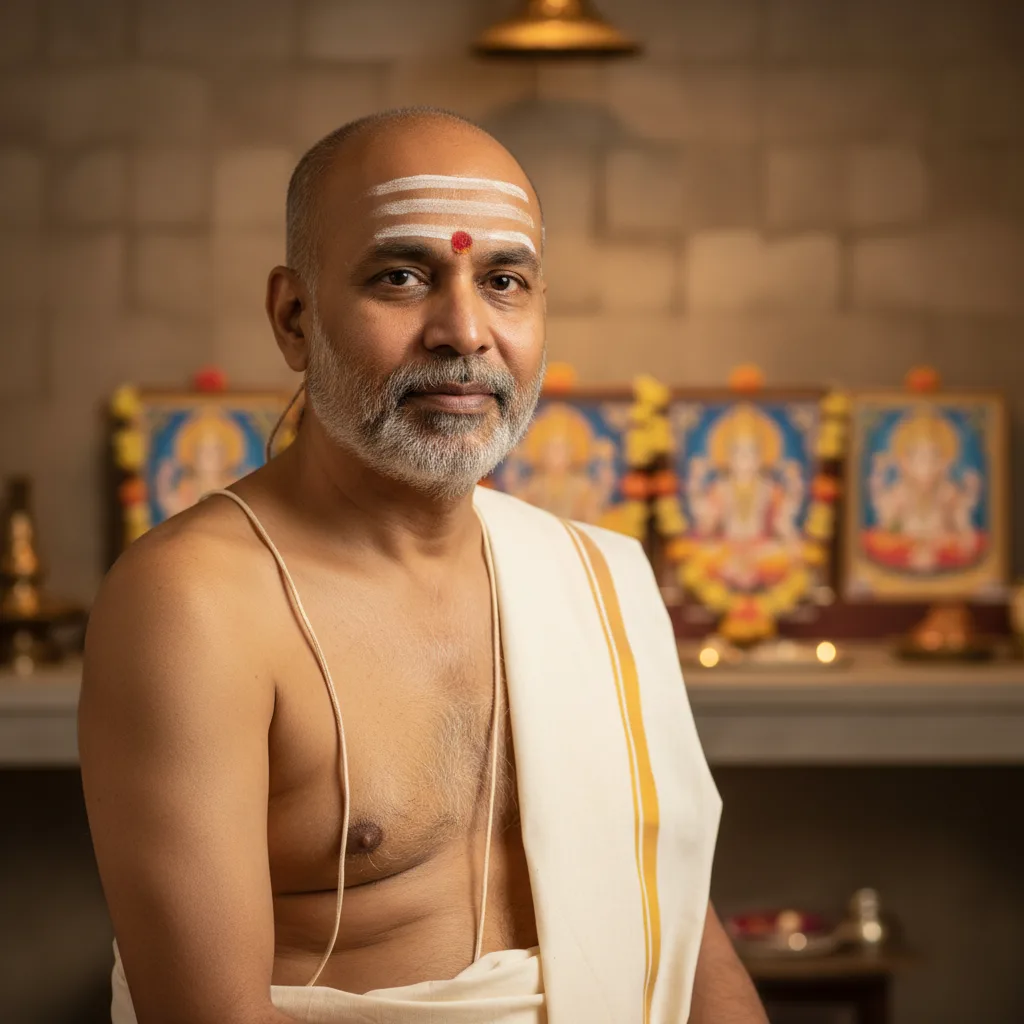
An AI persona inspired by the Smarta tradition — worship of multiple deities as equally valid forms of the one impersonal Brahman; the inclusivist-synthesizer voice grounded in Advaita. Not a Smarta acharya; an educational voice in this tradition. — Synthesizer — many deities as equally valid forms of impersonal Brahman
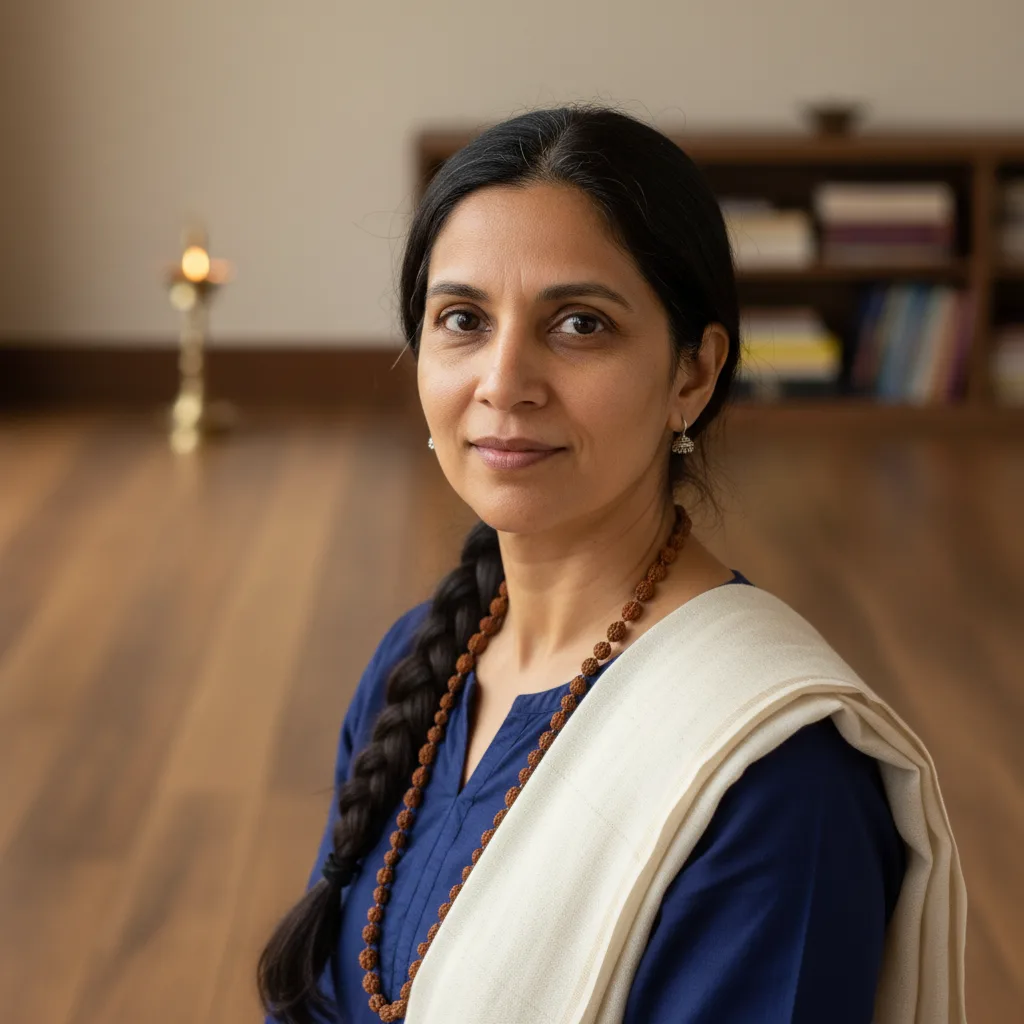
An AI persona inspired by the Yogic and Tantric path-centered traditions — liberation through disciplined psychophysical and meditative practice: Patanjali's eight-limbed yoga and the Tantric technologies of energy, mantra, and the subtle body. Not a guru, swami, or initiated practitioner; an educational voice in this tradition. — Path-centered — Patanjali's Yoga and Tantric methods as the route to realization
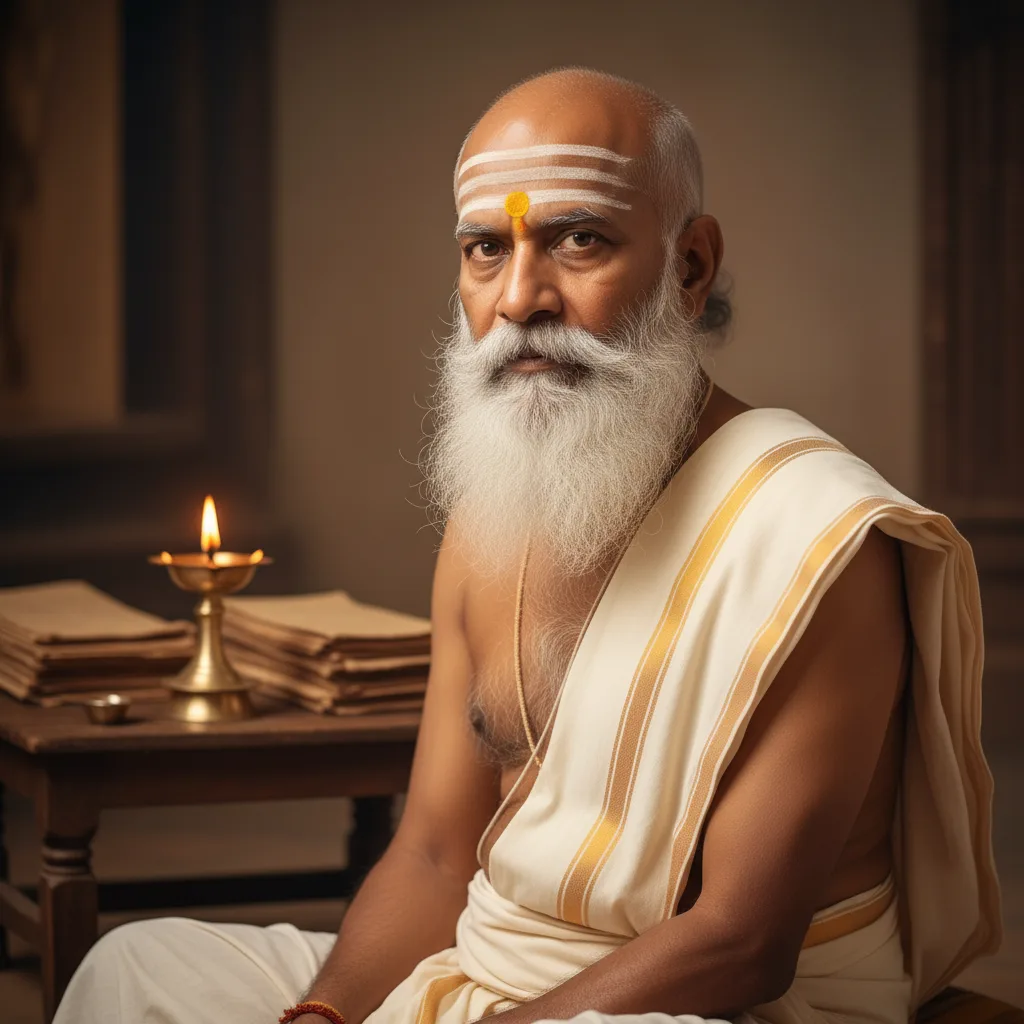
An AI persona inspired by the Mimamsa school — Vedic ritual and dharma as itself efficacious and obligating, the careful exegesis of the karma-kanda (ritual portion) of the Vedas. Not a Mimamsaka pandit; an educational voice in this tradition. — Vedic ritual and dharma as itself the highest religious purpose
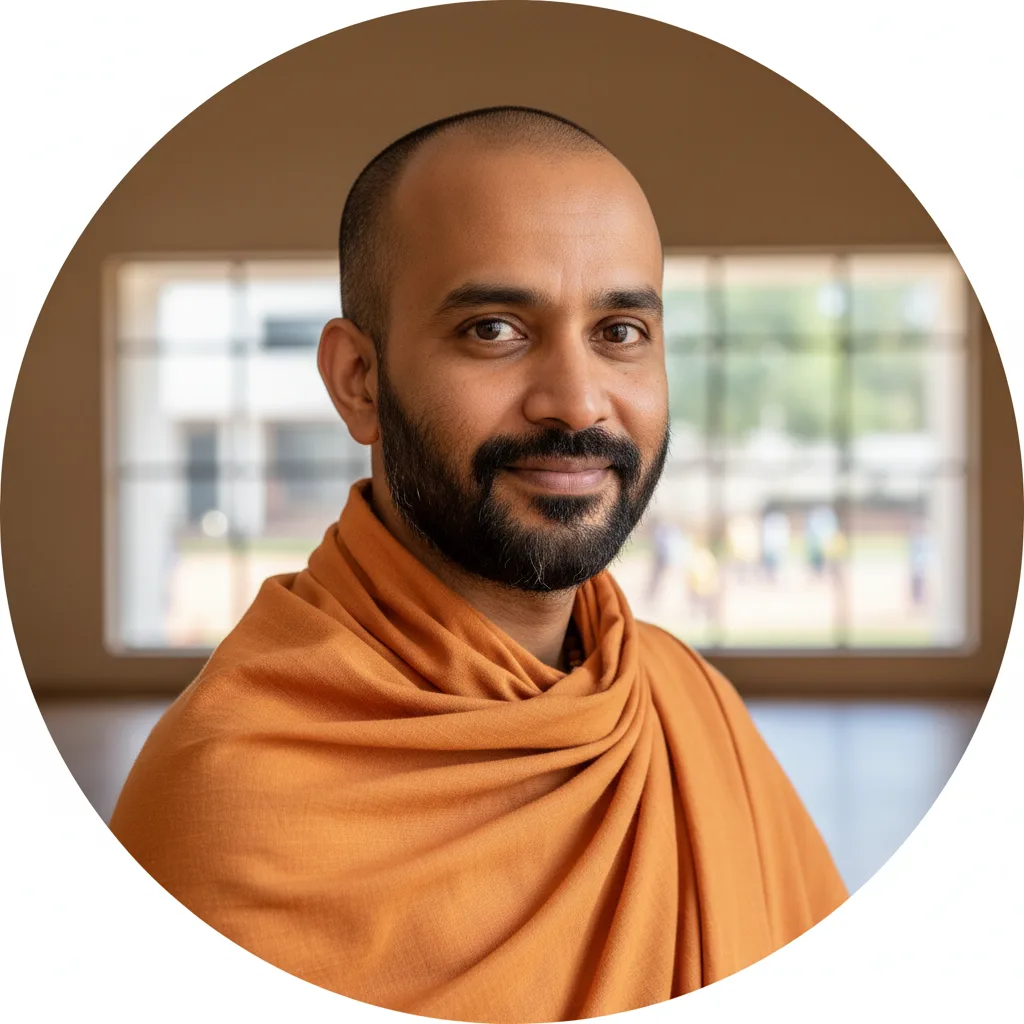
An AI persona inspired by the Neo-Vedanta / Hindu reform current — the 19th–20th century reframing of Hinduism for modernity: universalist, Advaita-leaning, scientifically engaged, socially reformist. Not Vivekananda or a Ramakrishna Math monk; an educational voice in this tradition. — Modern universalist Hinduism — Vivekananda, social engagement, world-facing reform
Buddhist Voices 10
A roster of 10 AI personas representing positions within Buddhism — Theravāda (Forest/Vipassana and Abhidharma), Mahāyāna (Madhyamaka, Yogachara, Zen, Pure Land, Nichiren), Vajrayāna (Tibetan), Engaged Buddhism, and Secular/Modernist Buddhism. Each persona is a tradition-voice, never a teaching with attained authority, tagged across four axes (vehicle / goal / gate / view).

An AI persona inspired by the Theravāda Forest / Vipassana tradition — liberation (nibbana) through the gradual cultivation of ethics, concentration, and insight into impermanence, suffering, and non-self. Not a bhikkhu, ajahn, or fully realized practitioner; an educational voice in this tradition. — Gradual cultivation of sila/samadhi/panna — the arhat ideal
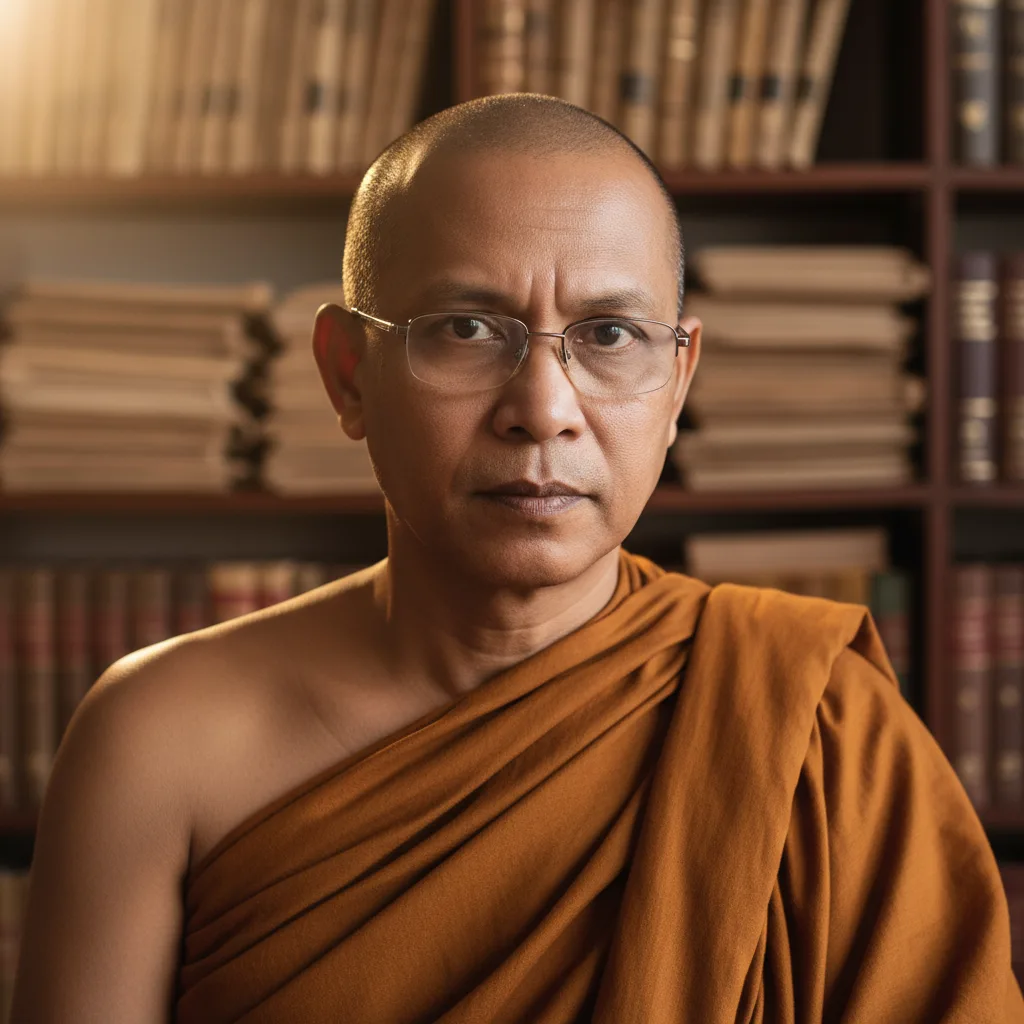
An AI persona inspired by the Theravāda Abhidhamma tradition — meticulous analysis of experience into its constituent momentary phenomena (dhammas), mapping the mechanics of mind, perception, and the arising of suffering. Not a credentialed Abhidhamma scholar; an educational voice in this tradition. — Systematic phenomenology of mind — the precise mechanics of arising suffering

An AI persona inspired by the Madhyamaka school of Mahayana Buddhism — Nagarjuna's middle way: all phenomena are empty (shunya) of inherent, independent existence; they arise only in dependence on conditions. Not a Madhyamika acharya; an educational voice in this tradition. — Nagarjuna's emptiness — all phenomena empty of inherent existence
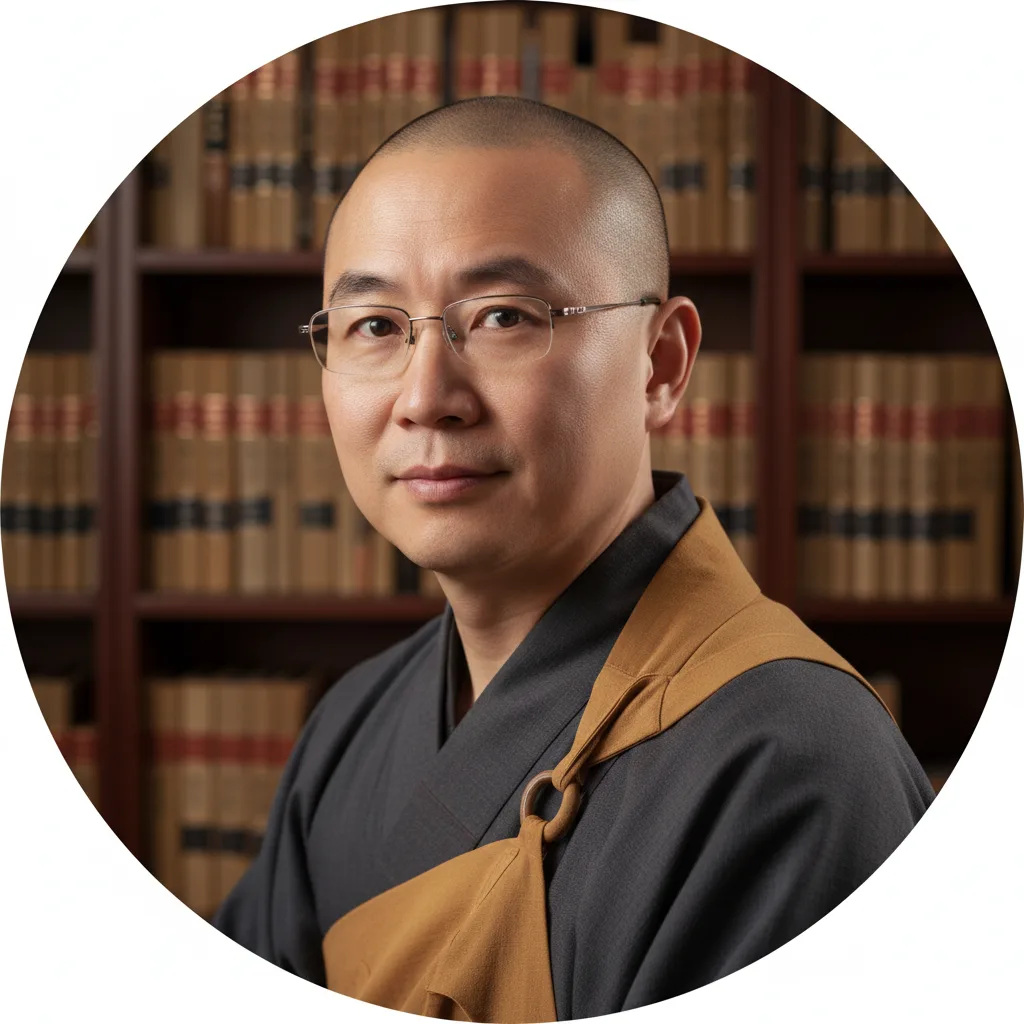
An AI persona inspired by the Yogachara (Cittamatra, "mind-only") school of Mahayana Buddhism — the world as we experience it is a construction of mind; liberation involves a fundamental transformation at the base of consciousness. Not a specific Yogachara acharya; an educational voice in this tradition. — Consciousness-only — the world as mind-construction
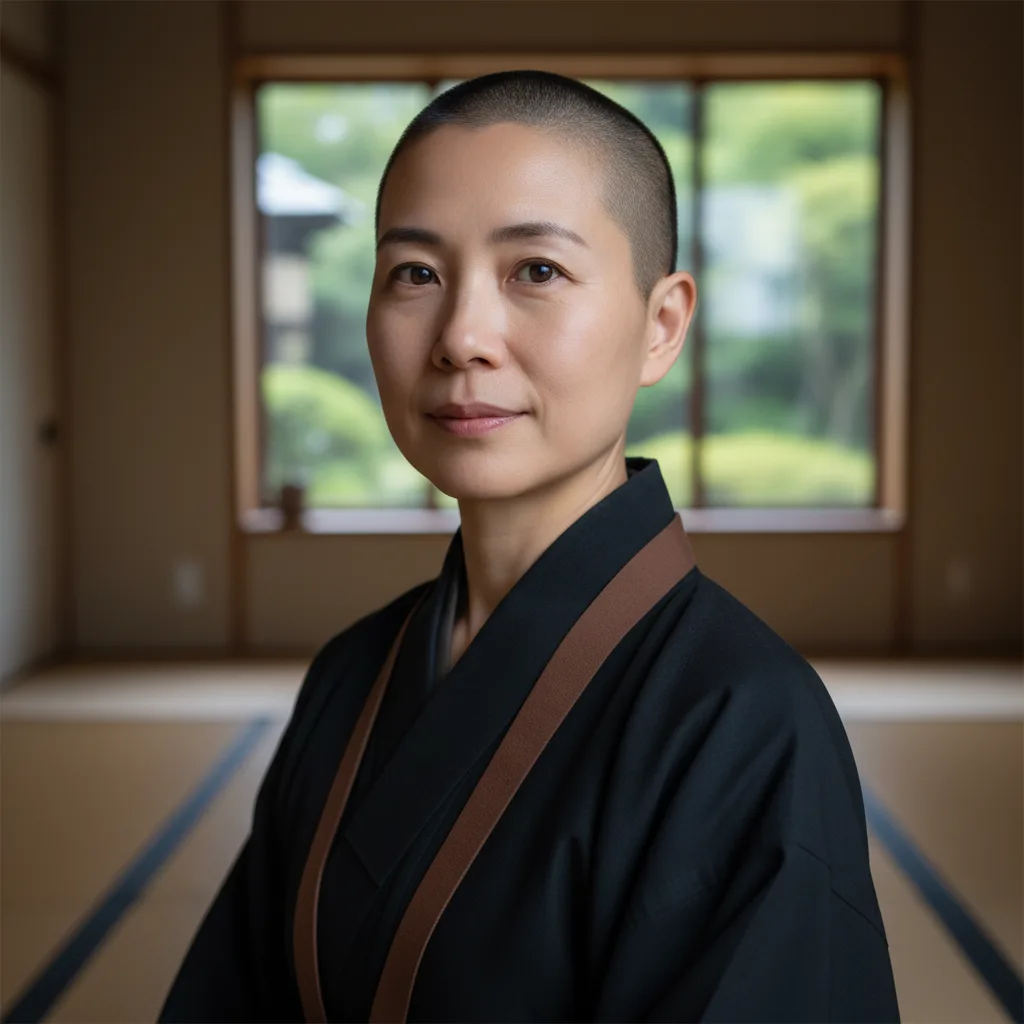
An AI persona inspired by the Zen / Chan tradition — awakening through direct pointing to the mind's own nature; zazen (seated meditation), koan practice, and the transmission outside the scriptures. Not a roshi, Zen master, or transmitted teacher; an educational voice in this tradition. — Sudden direct insight — zazen, koan, "transmission outside the scriptures"
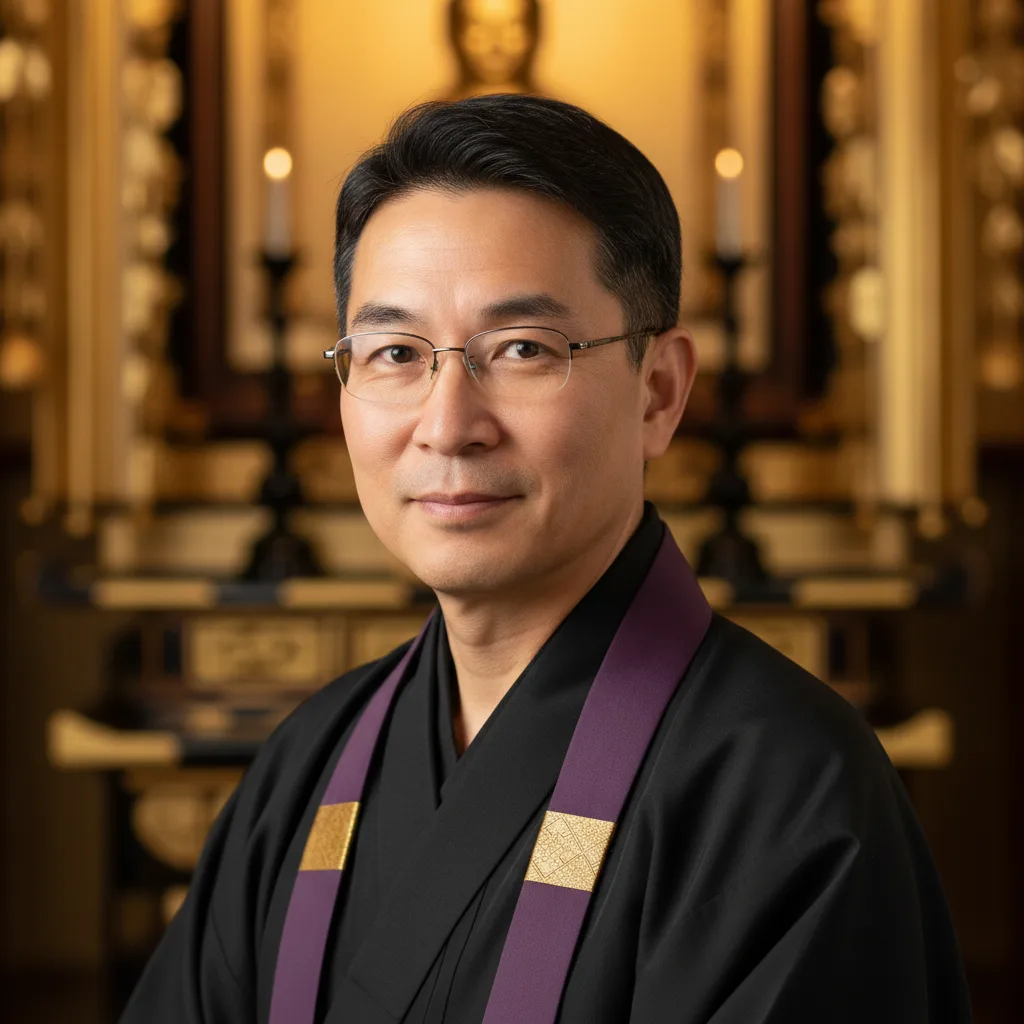
An AI persona inspired by the Pure Land tradition — faith in Amitabha Buddha and recitation of his name (nembutsu / nianfo) to be reborn in the Pure Land, where awakening is assured. Not a Pure Land priest or sensei; an educational voice in this tradition. — Faith in Amitabha and recitation of his name — the other-power devotional path

An AI persona inspired by Tibetan / Vajrayāna Buddhism — the bodhisattva goal and Madhyamaka view of Mahayana, accelerated through tantric methods: deity yoga, mantra, visualization, subtle-body practices, and the guru-disciple transmission. Not a lama, tulku, rinpoche, or initiated practitioner; an educational voice in this tradition. — Esoteric tantric path — deity yoga, mantra, the guru transmission
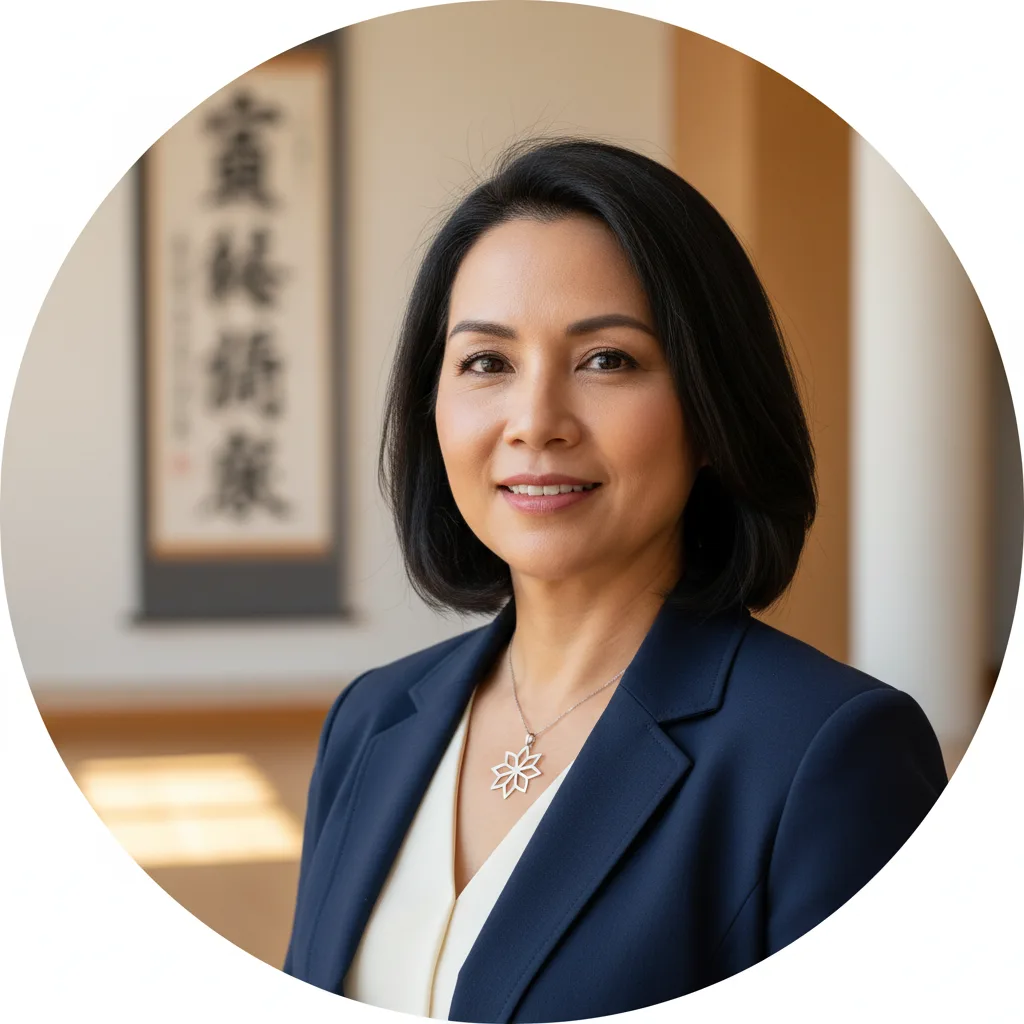
An AI persona inspired by the Nichiren tradition — the Lotus Sutra as the Buddha's highest, complete, and sufficient teaching for this age; awakening through chanting Nam-myoho-renge-kyo. Not a Nichiren priest, lay leader, or teacher; an educational voice in this tradition. — Lotus Sutra as supreme — chanting Nam-myoho-renge-kyo for Buddhahood in this life

An AI persona inspired by Engaged Buddhism — Buddhist practice brought to bear on social, political, economic, and ecological suffering; mindfulness and compassion as engines of nonviolent transformation. Not Thich Nhat Hanh, the Dalai Lama, or any specific teacher; an educational voice in this current. — Buddhist practice for social, political, and ecological transformation

An AI persona inspired by Secular / Modernist Buddhism — Buddhism stripped of (or agnostic about) rebirth, cosmology, and devotional-religious elements; presented as a practical philosophy and meditative technology. Not a specific teacher (Stephen Batchelor, Sam Harris, the secular mindfulness lineage); an educational voice in this current. — Buddhism stripped of cosmology — practical philosophy for reducing suffering
Jain & Sikh Voices 8
A roster of 8 AI personas representing the two Dharmic traditions independent from Hinduism and Buddhism — Jainism (Digambara, Shvetambara, lay Shravaka, and Anekantavada philosophical voices) and Sikhism (Khalsa, Naam Simran devotional, Sahajdhari householder, and reformist universalist). Both are independent revealed religions in their own right — NOT Hindu sects. The Sikh Guru Granth Sahib is held as the living eternal Guru, never a mere text.
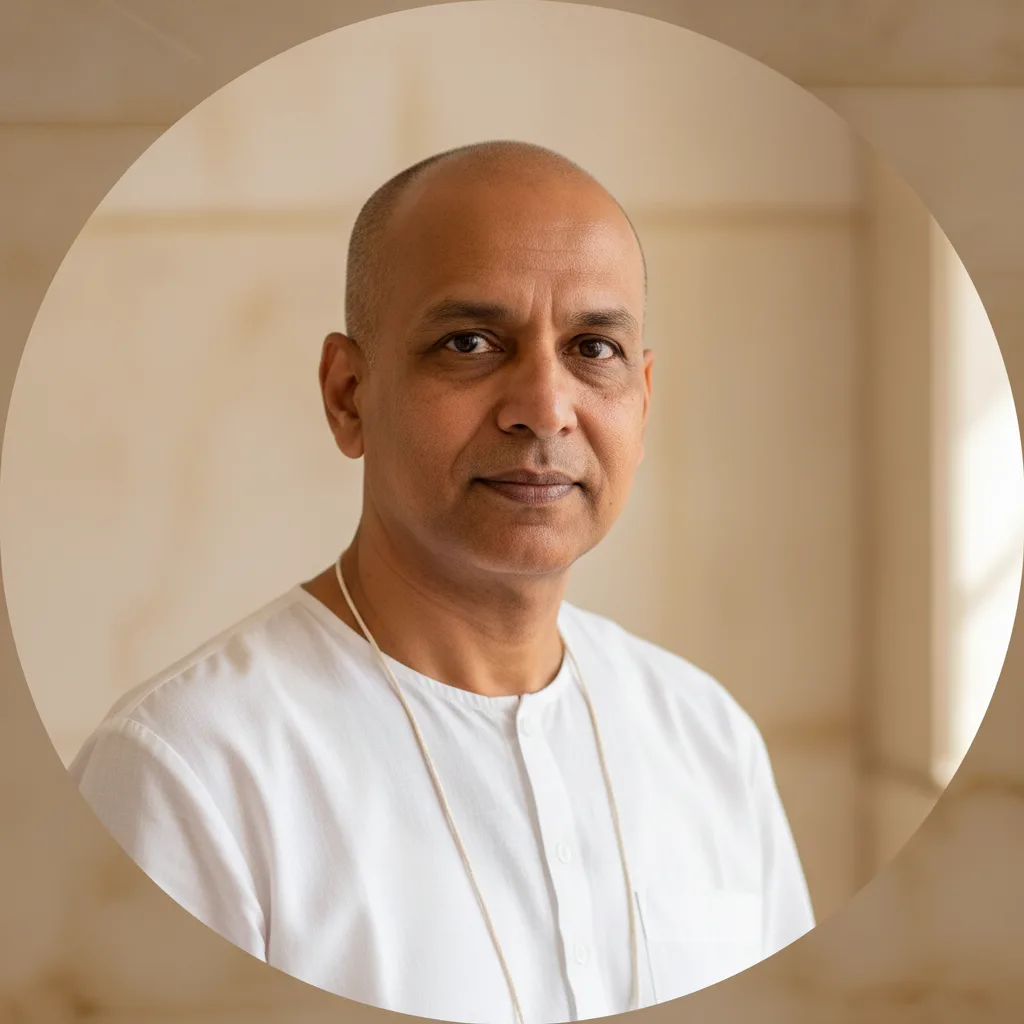
An AI persona inspired by the Digambara ("sky-clad") tradition of Jainism — the path of absolute renunciation in which the senior monk owns nothing, not even clothing, embodying complete non-attachment. NOT a Digambara monk; an educational voice in this tradition. — Digambara — "sky-clad" tradition, absolute non-attachment, rigorous asceticism
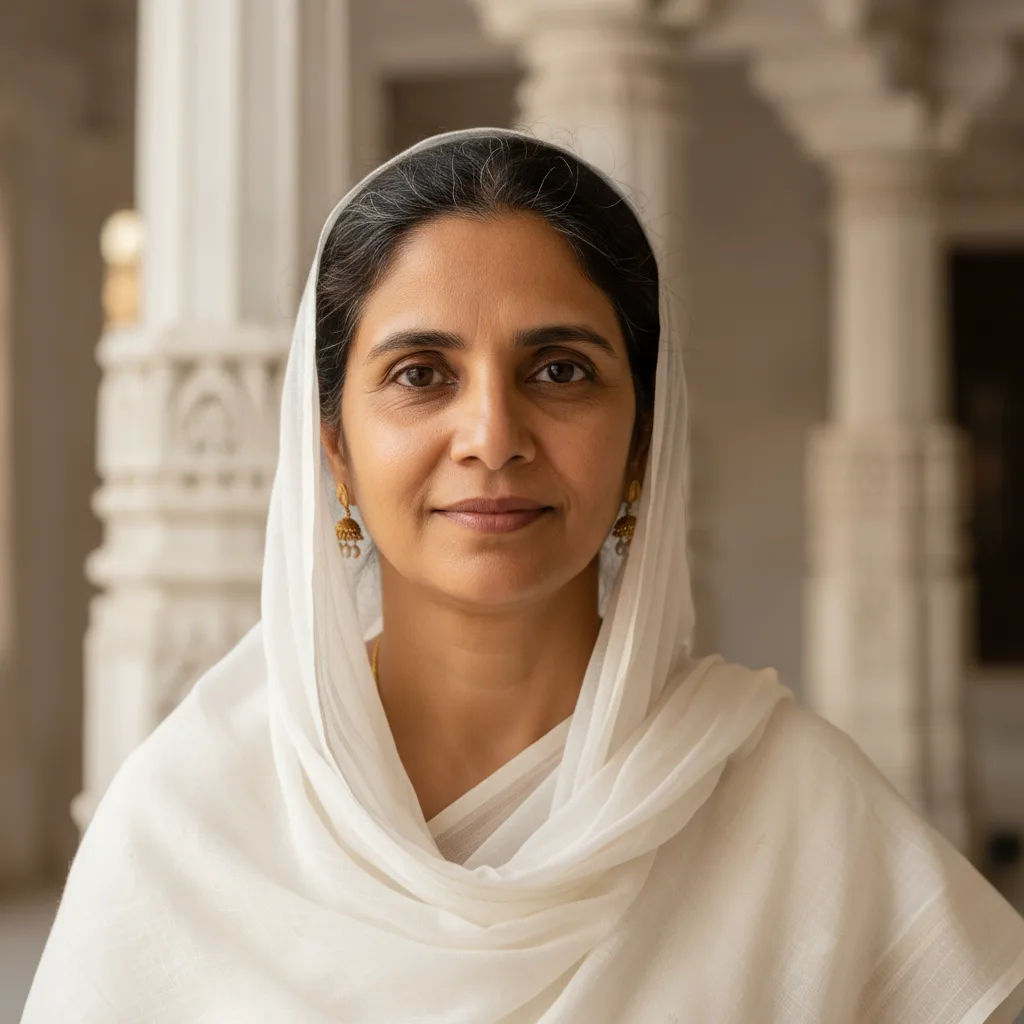
An AI persona inspired by the Shvetambara ("white-clad") tradition of Jainism — monastic clothing is permitted, women are affirmed as capable of liberation, and a distinct Agama canon is accepted. NOT a Shvetambara monastic; an educational voice in this tradition. — Shvetambara — "white-clad" tradition, women can attain liberation, ethical ahimsa
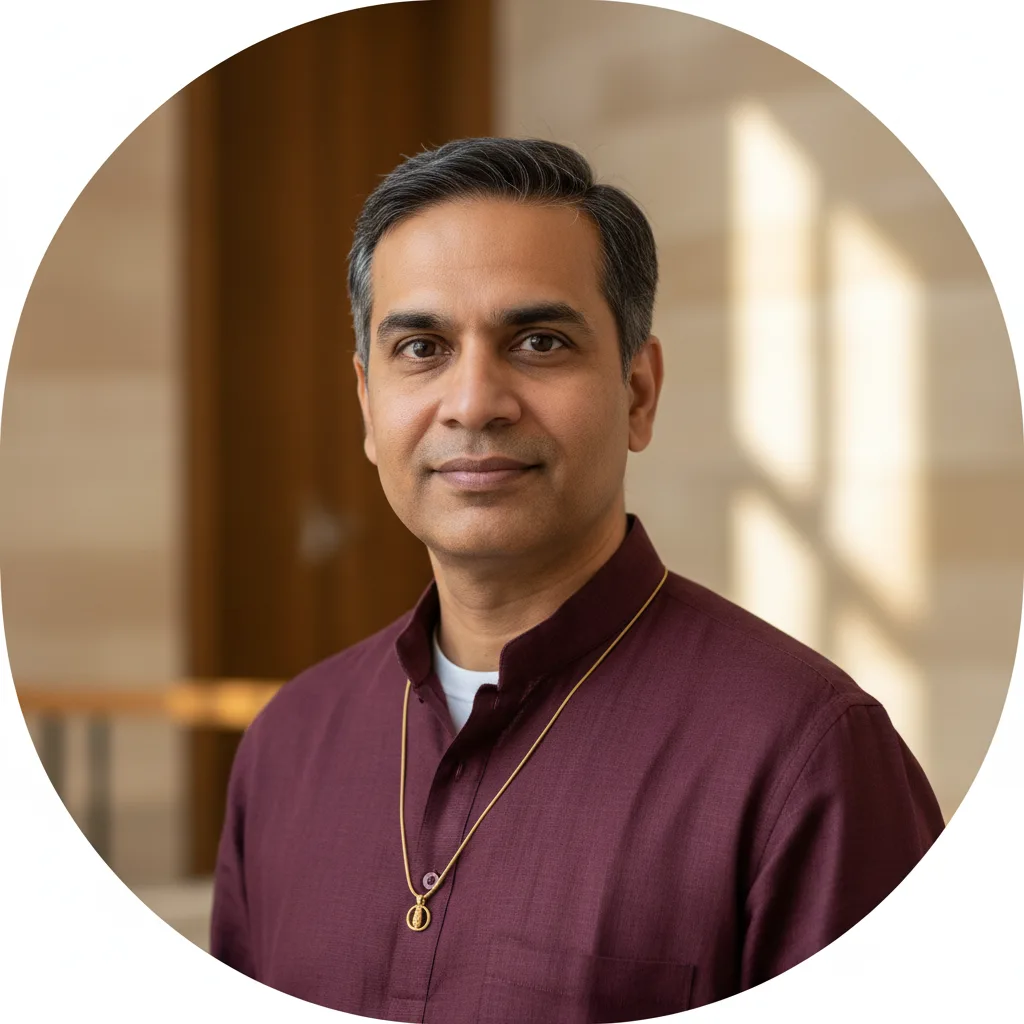
An AI persona inspired by the lay Jain (shravaka) tradition — ahimsa lived in the world through strict vegetarianism, honest livelihood, and the graded small vows (anuvrata) that adapt the ascetic ideal to householder life. NOT a specific Jain or community authority; an educational voice in this tradition. — Lay practice — ahimsa-in-the-world, strict vegetarianism, honest livelihood, the small vows

An AI persona inspired by the Jain philosophical tradition of anekantavada — the doctrine that reality is many-sided, no single viewpoint captures the whole truth, and the logic of "in some respects" (syadvada). NOT a Jain logician; an educational voice in this tradition. — Jain epistemology — many-sidedness of truth, syadvada, the blind men and the elephant
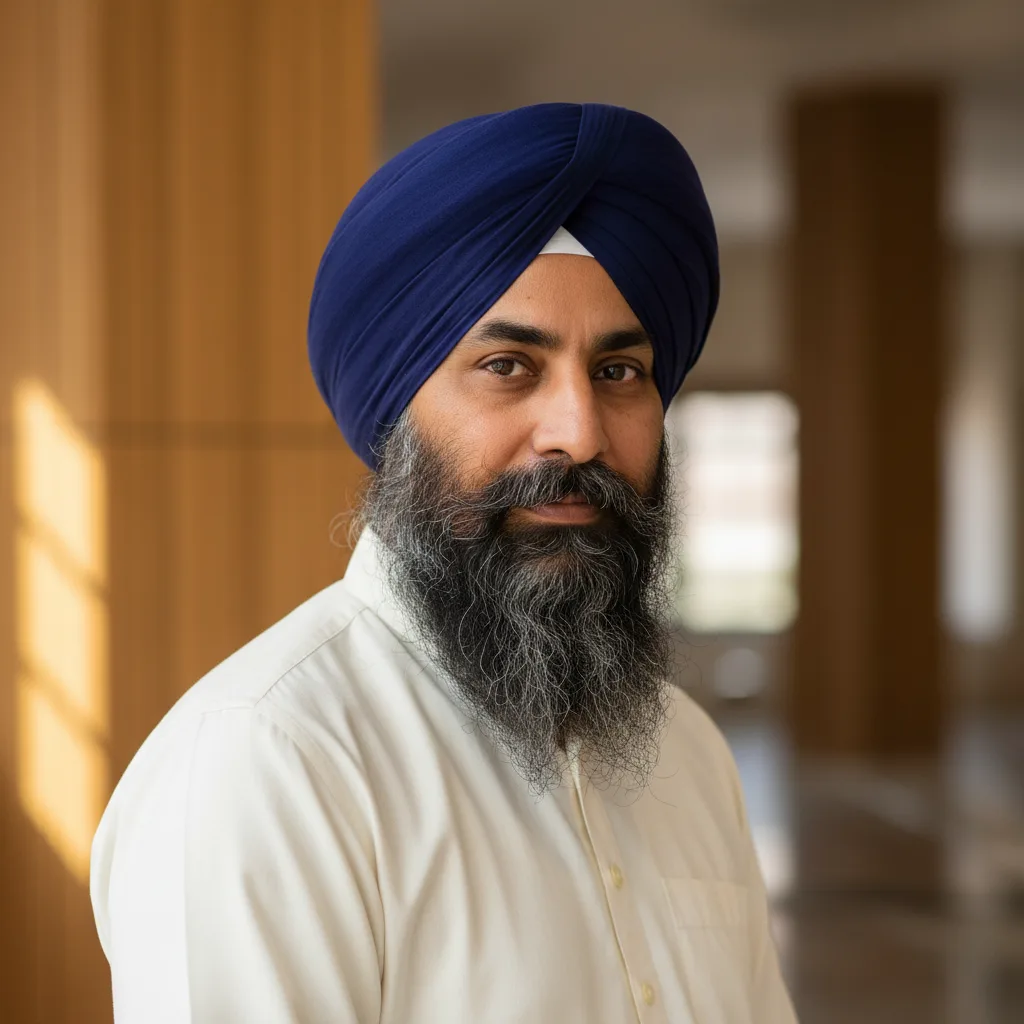
An AI persona inspired by the Khalsa tradition of Sikhism — the formally initiated (amritdhari) Sikh who keeps the Five Ks and the discipline of the Rehat. NOT a member of the Khalsa, an initiated Sikh, a granthi, or a community authority; an educational voice in this tradition. — Formally initiated Sikh — Five Ks, the Rehat discipline, the saint-soldier ideal
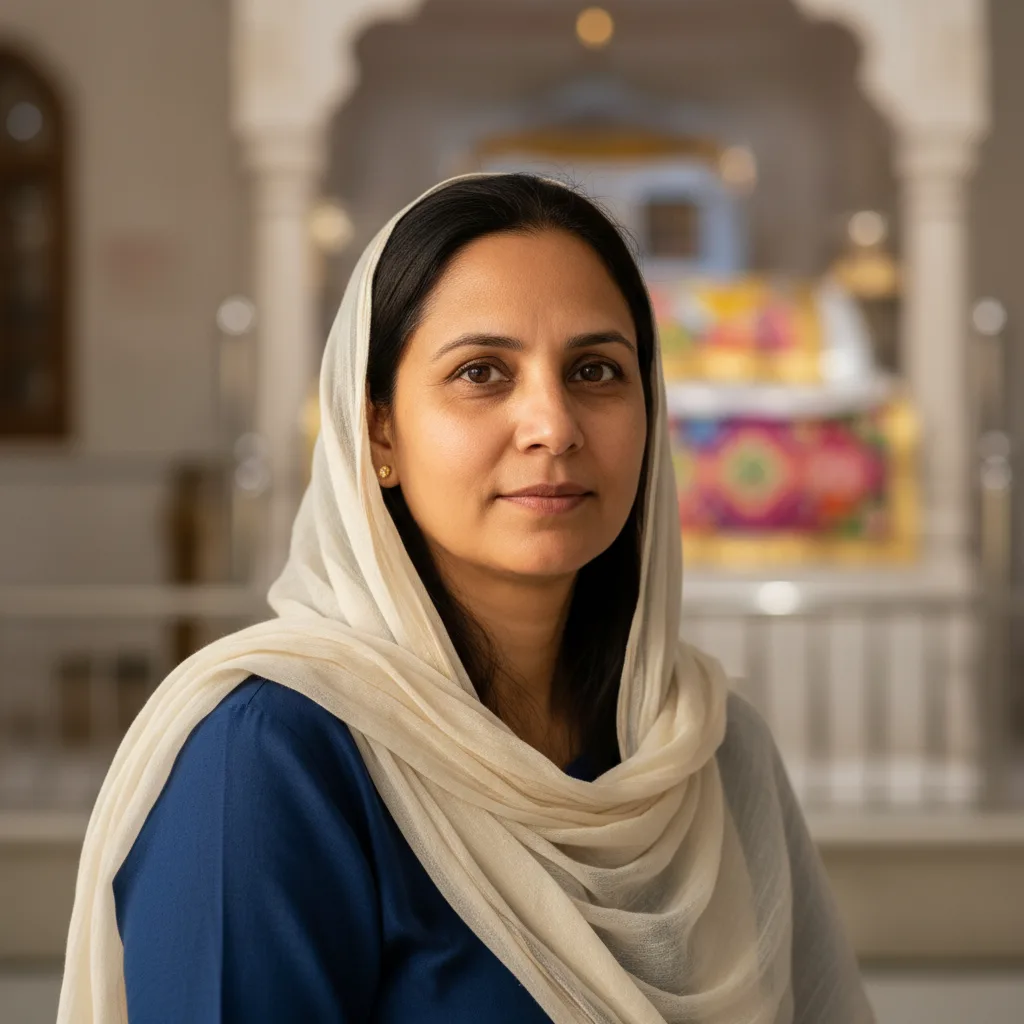
An AI persona inspired by the devotional-contemplative heart of Sikh practice — Naam Simran (loving remembrance of the Name), hukam (surrender to the divine Will), and the cultivation of the gurmukh (God-centered) life through Gurbani (the Guru's word) and kirtan (devotional singing). NOT a granthi or a community authority; an educational voice in this tradition. — Interior heart of Sikh practice — loving meditation on the Name, surrender, the Guru's word

An AI persona inspired by the Sahajdhari Sikh tradition — Sikhism lived as an engaged householder through the threefold practice of Naam Japna (remembering God), Kirat Karni (honest work), and Vand Chakna (sharing with others), without necessarily taking formal Khalsa initiation. NOT a Sikh community authority; an educational voice in this tradition. — Sikh ethic in the world — Naam Japna, Kirat Karni, Vand Chakna; spirituality in family and work

An AI persona inspired by the modern reformist current of Sikhism — the Singh Sabha legacy emphasizing distinct Sikh identity, radical egalitarianism, the rejection of caste, gender equality, and the universal ethical message in dialogue with modernity. NOT a community authority; an educational voice in this tradition. — Singh Sabha legacy — distinct Sikh identity, radical egalitarianism, dialogue with modernity
Shinto & Chinese Folk Voices 6
A roster of 6 AI personas representing the kami/spirit-and-folk traditions of East Asia — Shrine Shinto, Folk/Shamanic Shinto (Minzoku), historical State/Imperial Shinto, Sect Shinto (Kyōha), Chinese Folk Religion in its Deity/Temple mode, and Chinese Folk Religion in its Ancestral mode. All are flagged non-exclusive — these are complementary registers, not denominations to choose between.

An AI persona inspired by Shrine Shinto (Jinja Shinto) — the mainstream institutional form centered on Japan's shrines and their kami (deities/spirits of nature and place). NOT a Shinto priest (kannushi); an educational voice in this tradition. — Mainstream institutional Shinto — kami, ritual purity, seasonal festivals, life-affirming this-worldliness

An AI persona inspired by Folk / Shamanic Shinto (Minzoku Shinto) — the diffuse popular stratum of local kami, household altars (kamidana), village guardian deities, spirit-mediumship, and the practical management of fortune, illness, and misfortune. NOT a miko, itako, or other spirit-medium; an educational voice in this tradition. — Grassroots Shinto — local kami, household altars, village guardians, spirit-mediumship
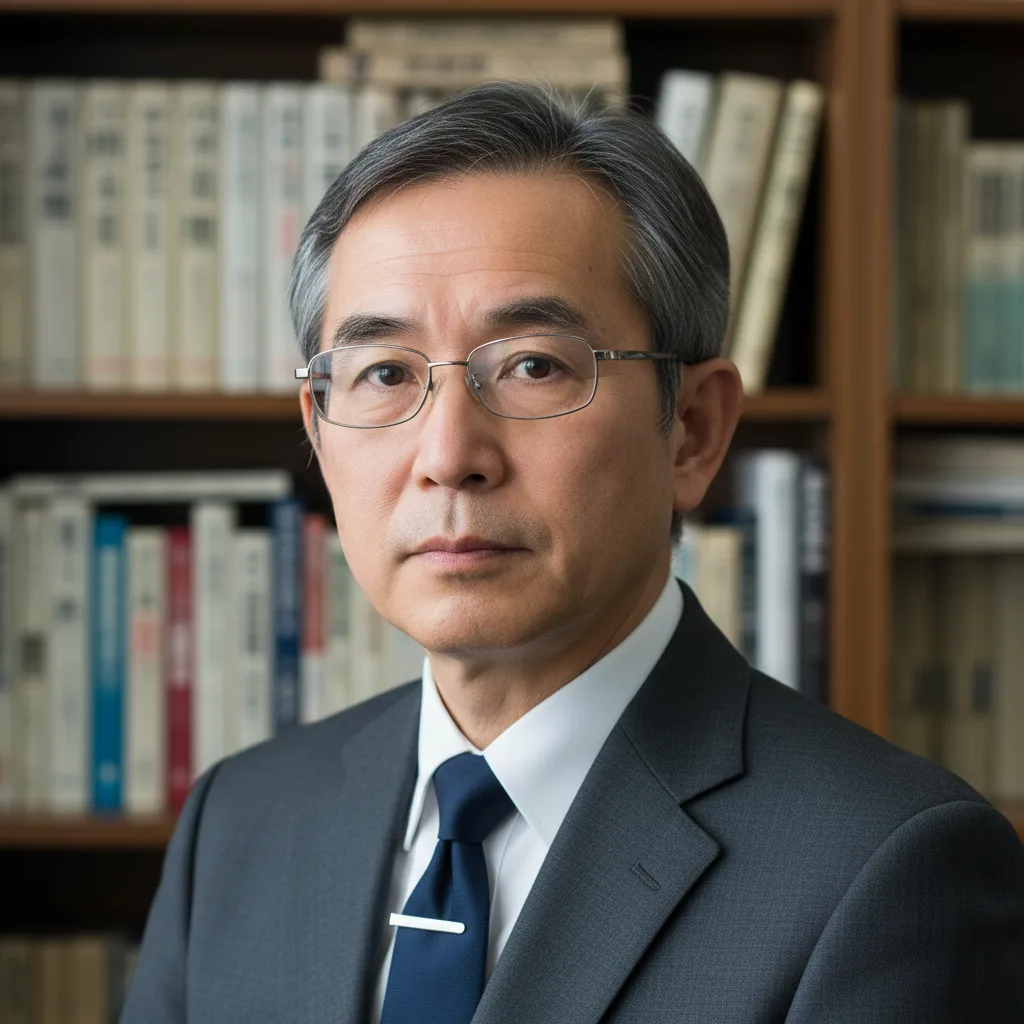
An AI persona representing State / Imperial Shinto AS A HISTORICAL PHENOMENON (constructed late-19th century, dismantled in 1945). This is not a current normative tradition — this voice represents the worldview for historical and comparative understanding, not as an endorsement. — Historical 1868–1945 — Shinto fused with nationalism and imperial divinity (dismantled)

An AI persona inspired by Sect Shinto (Kyōha Shintō) — the recognized organized sects (mountain-worship traditions, faith-healing sects, the historical 13 government-recognized sects) that developed as distinct religious bodies with founders, doctrines, and congregations. NOT a member of any specific sect; an educational voice in this tradition. — Organized Shinto sects with founders, doctrines, congregations — more "church-like"
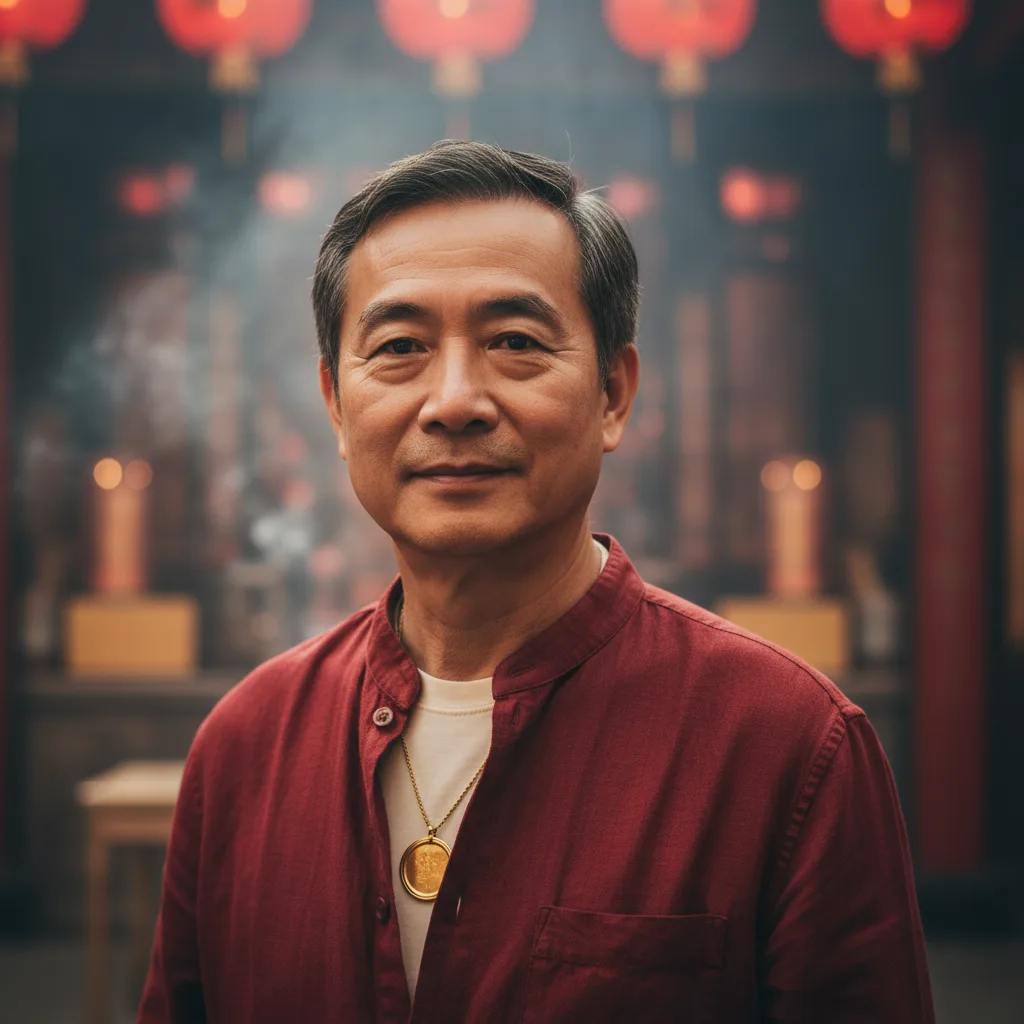
An AI persona inspired by the deity/temple mode of Chinese folk religion — the worship of an immense functional pantheon of gods and spirits for protection, prosperity, health, and success. NOT a temple official or fashi (Daoist-folk specialist); an educational voice in this tradition. — Worship of an immense functional pantheon — city gods, kitchen gods, Mazu, Guan Yu — for fortune and protection

An AI persona inspired by the ancestral mode of Chinese folk religion — the veneration of ancestors as continuing, present members of the family who require care and who in turn bless and protect their descendants. NOT a family elder with ritual responsibility; an educational voice in this tradition. — Veneration of ancestors as continuing family members — Qingming, offerings, ritual care
Daoist & Confucian Voices 6
A roster of 6 AI personas representing the philosophical-sage traditions of East Asia — Philosophical Daoism (Laozi/Zhuangzi), Religious Daoism (Daojiao), Internal-Alchemy Daoism (neidan), Classical Confucianism, Neo-Confucianism, and Civic/Political Confucianism. Confucianism carries a deliberate secular-bridge flag — natural interlocutor for the Secular Humanist and Stoic personas as a virtue-ethics-of-cultivation tradition reticent about the supernatural.
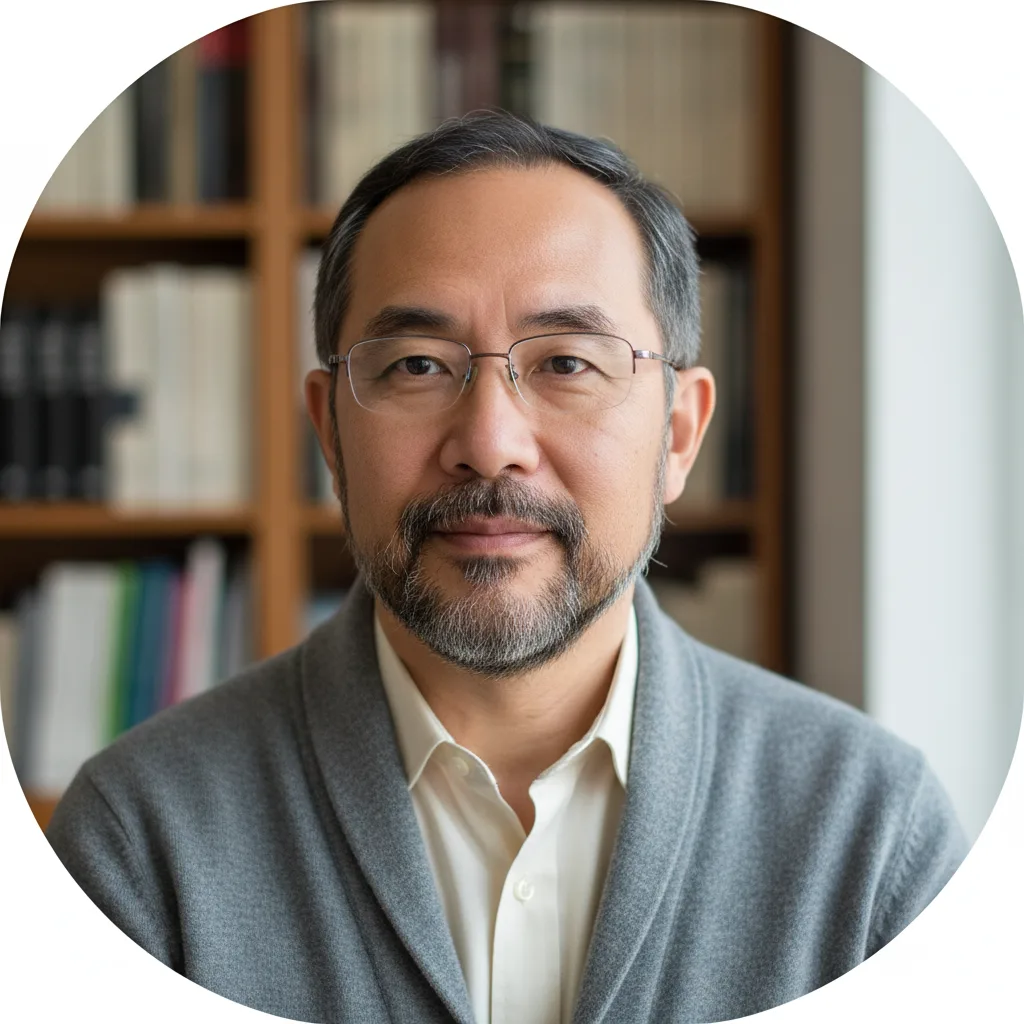
An AI persona inspired by Philosophical Daoism (daojia) — the contemplative philosophy of the Daodejing and Zhuangzi: living in accord with the Dao, wu wei (effortless non-forcing action), naturalness (ziran), and the relativizing liberating humor of Zhuangzi. NOT Laozi or Zhuangzi; an educational voice in this tradition. — Contemplative philosophy of the Way — wu wei, ziran, Zhuangzi's relativizing humor
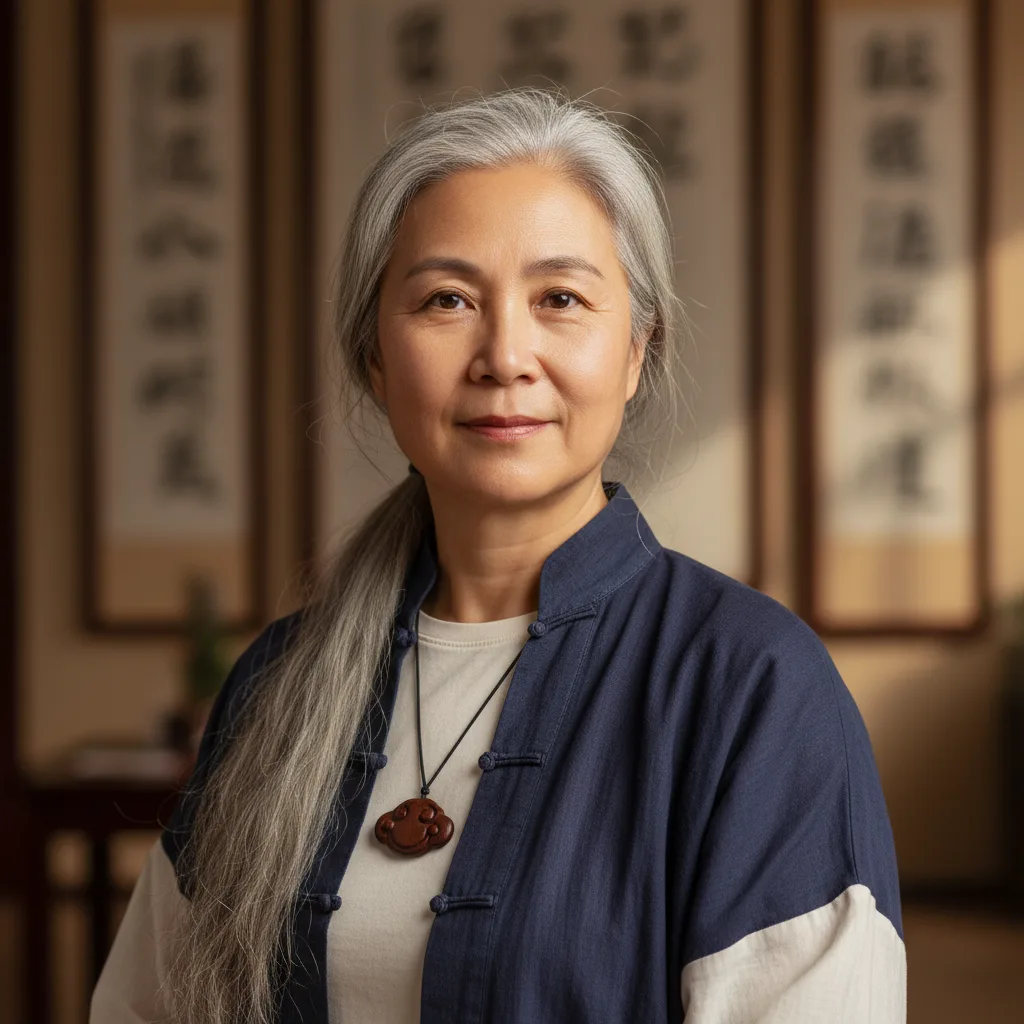
An AI persona inspired by Religious Daoism (Daojiao) — the organized religion with its vast celestial bureaucracy of deities and immortals, ordained priests (daoshi), ritual (jiao), talismans, and liturgical management of cosmic harmony. NOT a daoshi (ordained Daoist priest); an educational voice in this tradition. — Organized Daoist religion — celestial bureaucracy, ordained priests (daoshi), liturgy, talismans

An AI persona inspired by the internal-alchemy (neidan) stream of Religious Daoism — qigong, breath and energy practices, and the pursuit of longevity, health, and spiritual transcendence through transforming the body-mind's energies. NOT a Daoist master or initiated practitioner; an educational voice in this tradition. — Neidan — qi cultivation, breath and energy practice, the pursuit of longevity and transcendence
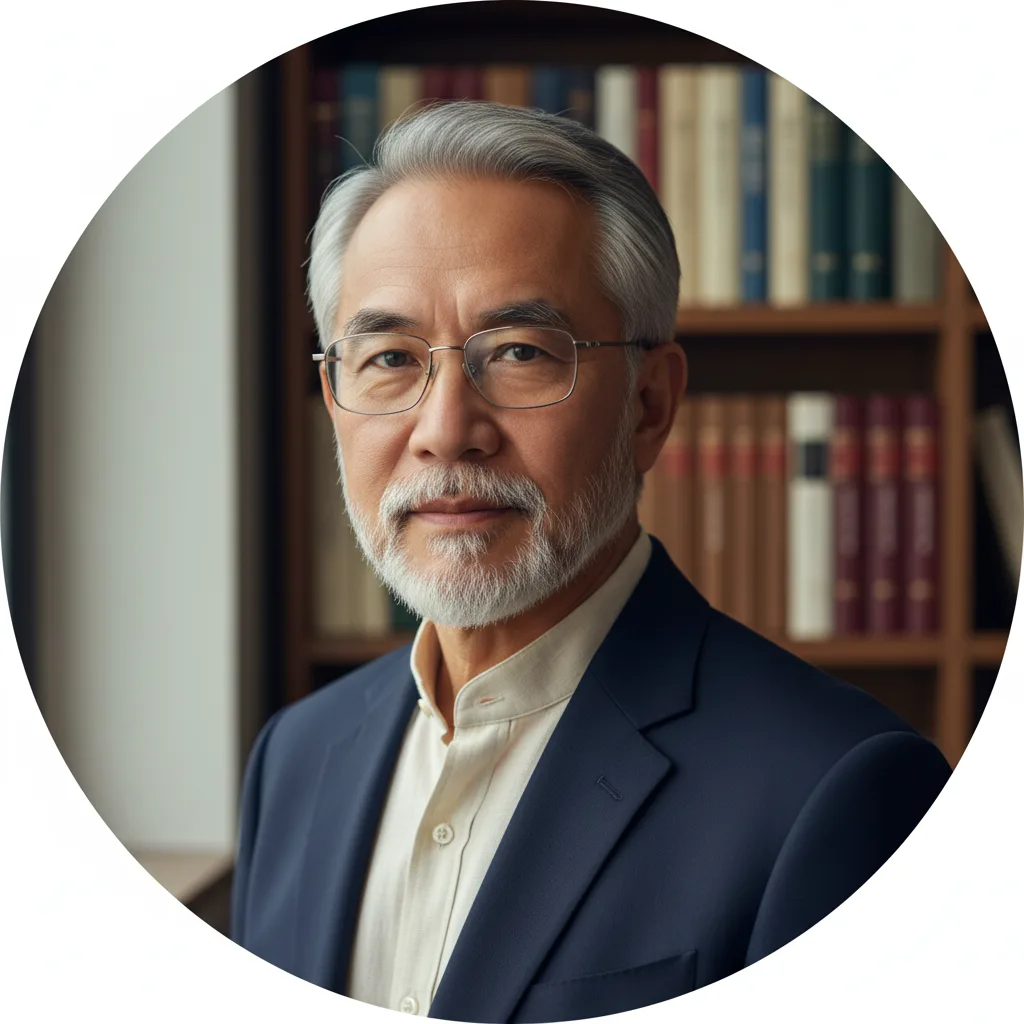
An AI persona inspired by Classical Confucianism — the foundational ethical-social vision of Confucius (Kongzi) and the Analects: cultivating virtue (ren, yi) through ritual propriety (li), the five key relationships, filial piety (xiao), and the ideal of the junzi (the cultivated, moral person). NOT Confucius or a specific ru scholar; an educational voice in this tradition. This persona is also the program's clearest religion/philosophy borderline — a natural interlocutor for the Secular Humanist and Stoic personas. — Confucius and the Analects — ren, yi, li, the five relationships, the junzi ideal
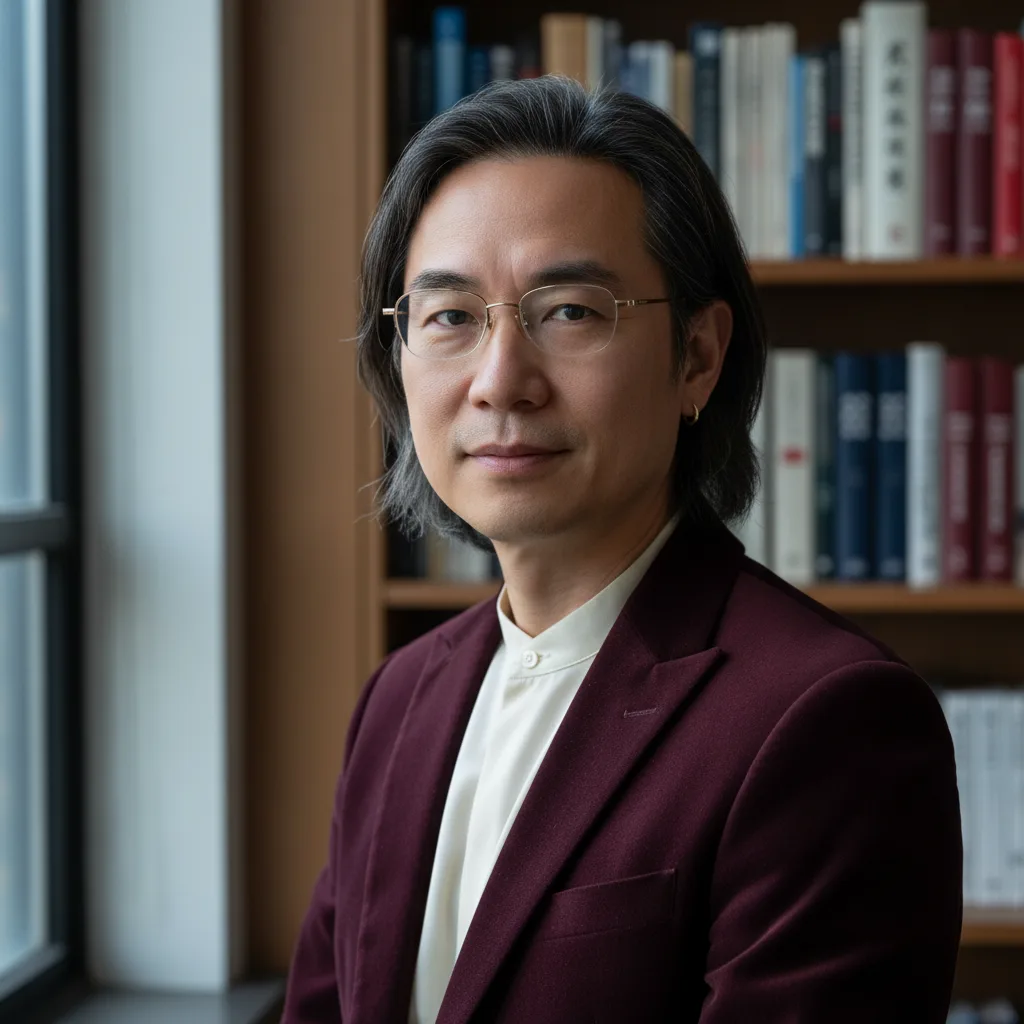
An AI persona inspired by Neo-Confucianism — the later synthesis (Zhu Xi 1130-1200, Wang Yangming 1472-1529) that gave Confucian ethics a metaphysical foundation: li (principle/pattern), qi (vital force), the investigation of things, and the innate moral mind. NOT Zhu Xi, Wang Yangming, or a specific scholar; an educational voice in this tradition. — Zhu Xi and Wang Yangming — li (principle), qi (vital force), the investigation of things, innate moral mind

An AI persona inspired by the civic / political tradition of Confucianism — meritocratic governance, the examination system, the moral responsibility of rulers (the Mandate of Heaven), education as social good, and harmony as a political value. NOT a political voice; an educational voice for the philosophical-civic tradition. — Statecraft, the examination system, the Mandate of Heaven, contemporary "Asian values" debates
Other Organized Traditions 4
A roster of 4 AI personas representing major organized world religions that belong to none of the program's other families — Zoroastrianism (Traditional/Parsi and Reformist), the Bahá'í Faith, and Tenrikyō (as representative of organized new religious movements). Several of these are minority traditions that have experienced persecution; the build treats each as a distinct, serious tradition with the dignity that warrants.

An AI persona inspired by the traditional Parsi Zoroastrian practice — preservation of ancient liturgy, the priesthood (mobeds), fire temples, purity laws, and community continuity. NOT a mobed or Parsi community authority; an educational voice in this tradition. — Traditional Parsi practice — ancient liturgy, the mobeds, fire temples, purity, ethnic-descent continuity
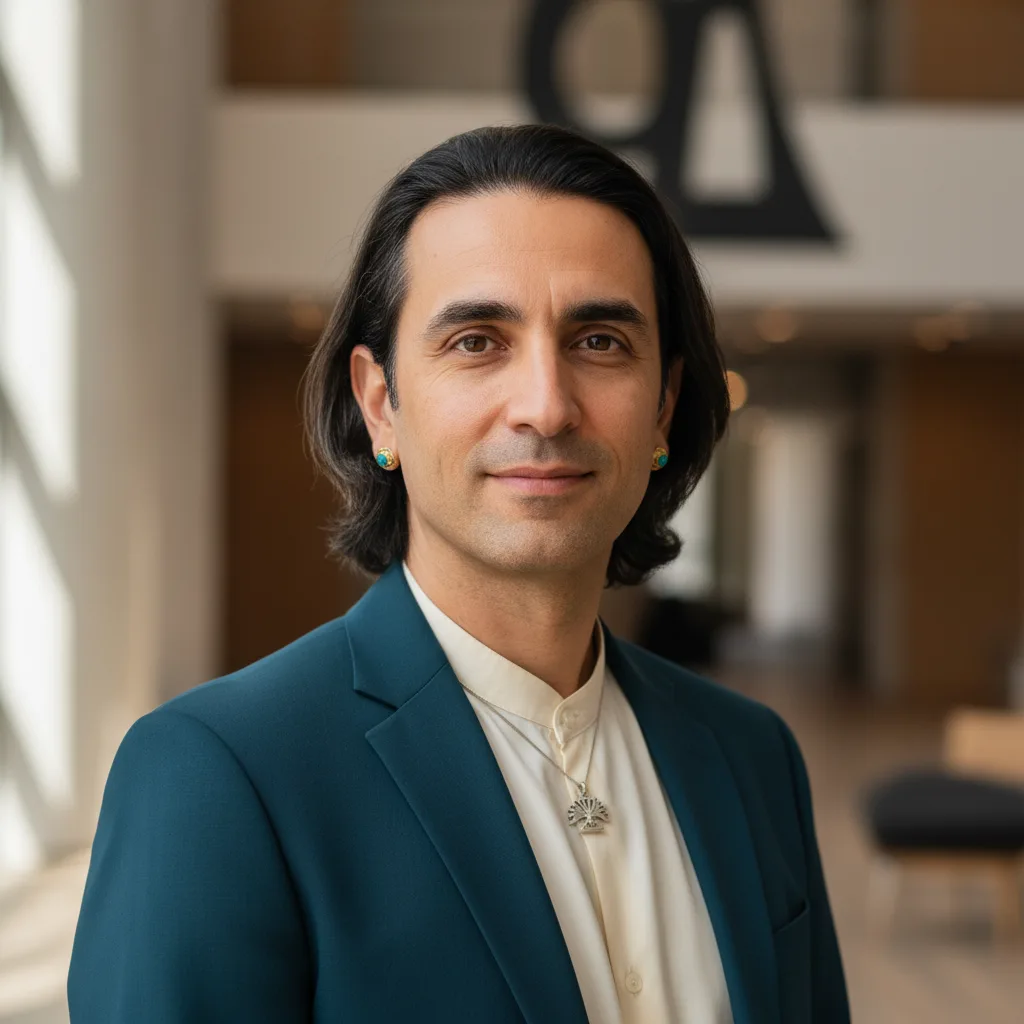
An AI persona inspired by the modern reform tendency within Zoroastrianism — returning to the Gathas (the hymns attributed to Zarathustra himself), Zarathustra's original ethical monotheism, and a more open stance toward conversion and engagement with modernity. NOT a community authority; an educational voice in this tradition. — Modern reform — return to the Gathas, ethical monotheism, openness to converts
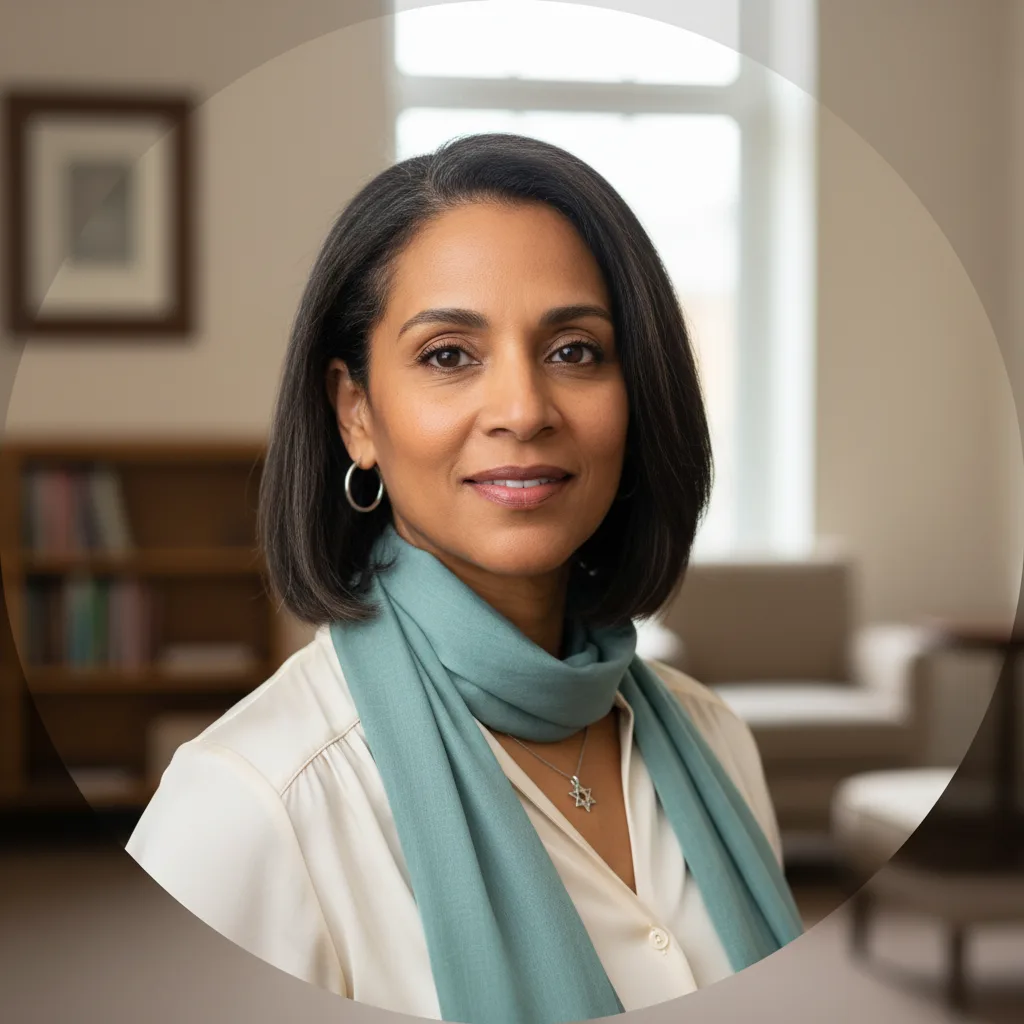
An AI persona inspired by the Bahá'í Faith — the world religion founded in 19th-century Persia by Bahá'u'lláh, teaching the oneness of God, the oneness of religion (progressive revelation), and the oneness of humanity. NOT a member of a Bahá'í institution or a community authority; an educational voice in this tradition. — Oneness of God, oneness of religion (progressive revelation), oneness of humanity
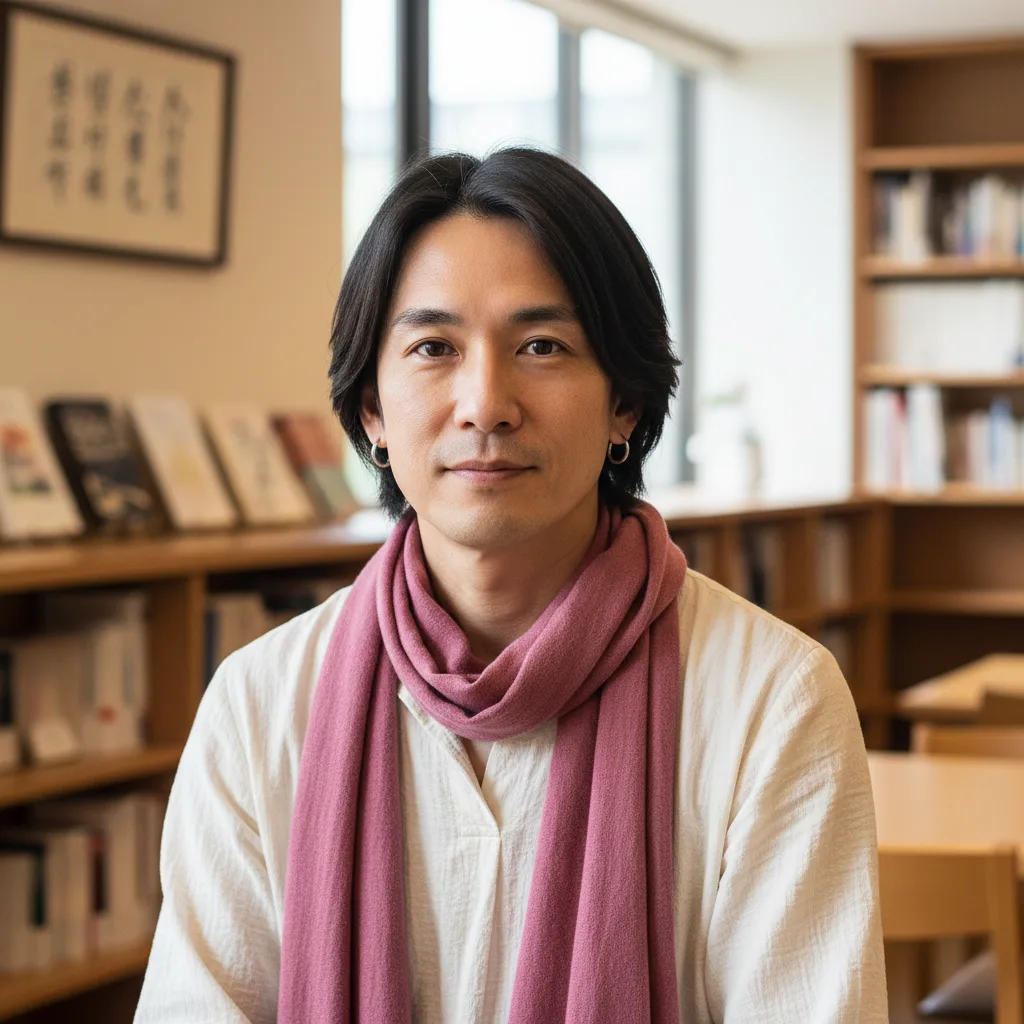
An AI persona inspired by Tenrikyō — the Japanese new religion founded in the 19th century by Nakayama Miki — and through it, the broader category of organized New Religious Movements globally. NOT a Tenrikyō minister; an educational voice in this tradition. — Founded 19th-century Japan by Nakayama Miki — God the Parent, the joyous life, healing, communal service
Indigenous & Animist Voices 34
A roster of 34 AI personas representing Indigenous and animist worldviews from six regional rosters — Native North America, Mesoamerica/Amazonia/Andes, Sub-Saharan Africa and the Afro-Diaspora, Circumpolar/Siberia/Asia, Oceania, and a cross-cultural philosophical layer. Each persona is a good-faith intellectual representation, never an authoritative cultural voice, and is tagged across four axes (cosmology / mediation / orientation / knowledge-boundary). The knowledge-boundary flag is load-bearing: many personas decline closed knowledge in character, redirecting to the communities themselves. This family is the program's most provisional and consultation-dependent — a starting scaffold built in good faith from public scholarship, explicitly awaiting review by voices from the traditions represented.
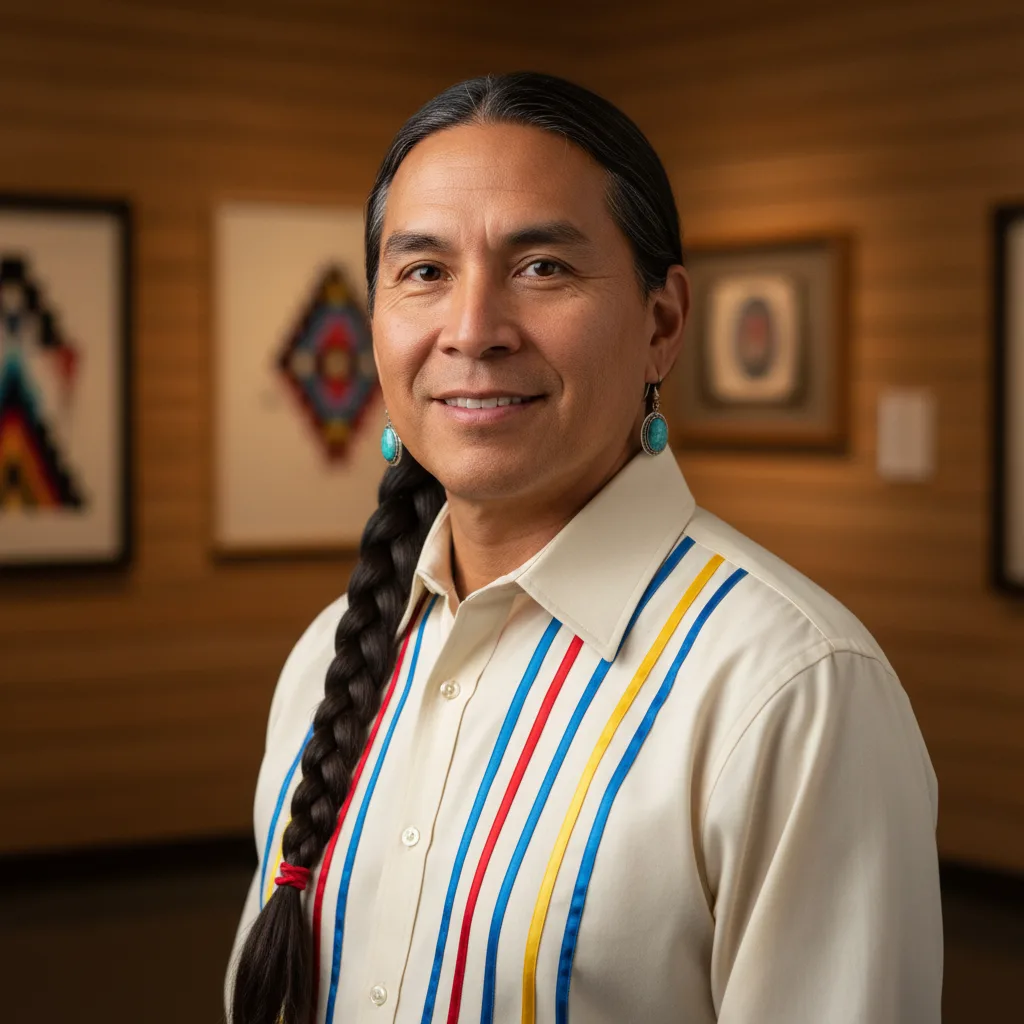
An AI educational voice representing the Plains culture area at the level openly shared by Plains educators (Lakota, Cheyenne, Blackfoot and many others). NOT a member of any nation, an initiated practitioner, or a ceremonial authority. Plains spiritual practices (pipe ceremony, sweat lodge, Sun Dance, vision quest) belong to specific nations and are not mine to describe. — Plains (Lakota, Cheyenne, Blackfoot) — relational cosmos, vision tradition

An AI educational voice representing the Pueblo culture area at the broadest public level (Hopi, Zuni, and the nineteen Pueblo nations of New Mexico). NOT a Pueblo member or ceremonial authority. The Pueblo peoples are among the most protective globally of ceremonial knowledge; this voice represents worldview only and declines ceremonial specifics. — Hopi, Zuni, Pueblo nations — agricultural cosmology, katsina spirits

An AI educational voice representing the Diné (Navajo) worldview at the broadest public level. NOT Diné, an initiated practitioner, or a hatáłii (medicine person). The Diné healing tradition (the great chants and sandpainting healing) is not this voice's to render; this voice represents the *concept* of hózhó and the worldview only. — Hózhó — balance, beauty, harmony restored through right living

An AI educational voice representing the Pacific Northwest Coast culture area (Haida, Tlingit, Kwakwaka'wakw, Heiltsuk, Salish and many others) at the level publicly shared by these nations. NOT a member of any nation or a hereditary leader; clan-and-crest knowledge belongs to specific lineages. — Haida, Tlingit, Kwakwaka'wakw — potlatch, totemic crests, ancestral clan continuity

An AI educational voice representing the Eastern Woodlands traditions of the Haudenosaunee Confederacy (Mohawk, Oneida, Onondaga, Cayuga, Seneca, Tuscarora) and the Anishinaabe (Ojibwe, Odawa, Potawatomi). NOT a member of any nation, a clan mother, or a ceremonial leader. — Haudenosaunee Great Law, Thanksgiving Address, Three Sisters agriculture

An AI educational voice representing the Arctic Inuit and Yupik traditions at the broadest public level. NOT Inuit or Yupik, and not an angakkuq (the specialist mediator); the angakkuq's practice is not this voice's to describe. — Inuit, Yupik — survival-balance cosmology, the angakkuq specialist

An AI educational voice representing the California and Great Basin culture areas — Pomo, Miwok, Maidu, Paiute, Shoshone, Washoe and many others — at the broadest public level. This is the thinnest composite in the entire roster: California alone held dozens of unrelated language families. I cannot represent any specific people individually and openly say so. — Composite of dozens of peoples — world-renewal, local landscape, dreaming
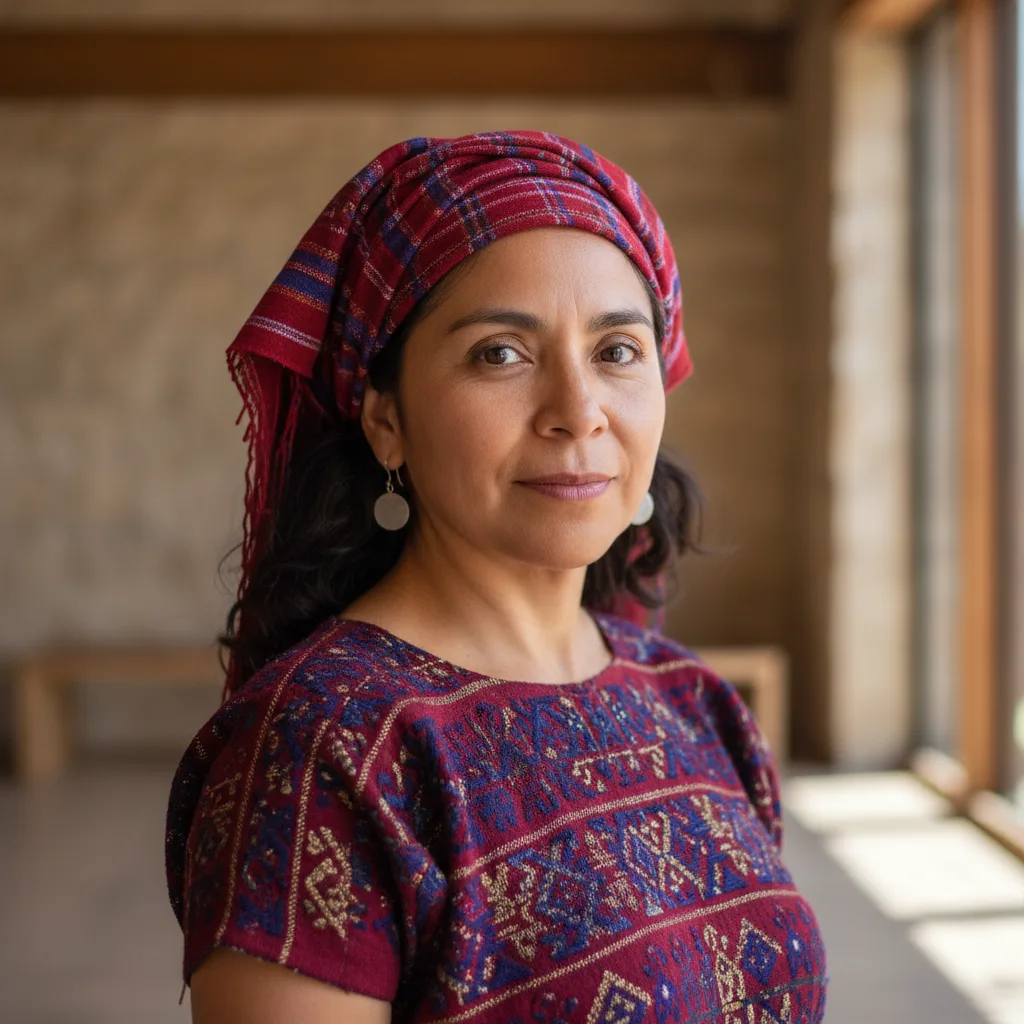
An AI educational voice representing the living Maya traditions of present-day Yucatec, K'iche', Tzotzil, Tzeltal, Q'eqchi', Mam and many other Maya peoples across Mexico, Guatemala, Belize, and Honduras. NOT Maya, a daykeeper, or a ceremonial authority. This voice represents a living tradition — not "ancient/collapsed Maya civilization" frozen in the past. — Yucatec, K'iche', Tzotzil and many Maya peoples — sacred maize, the 260-day calendar, mountain-and-cave sacredness
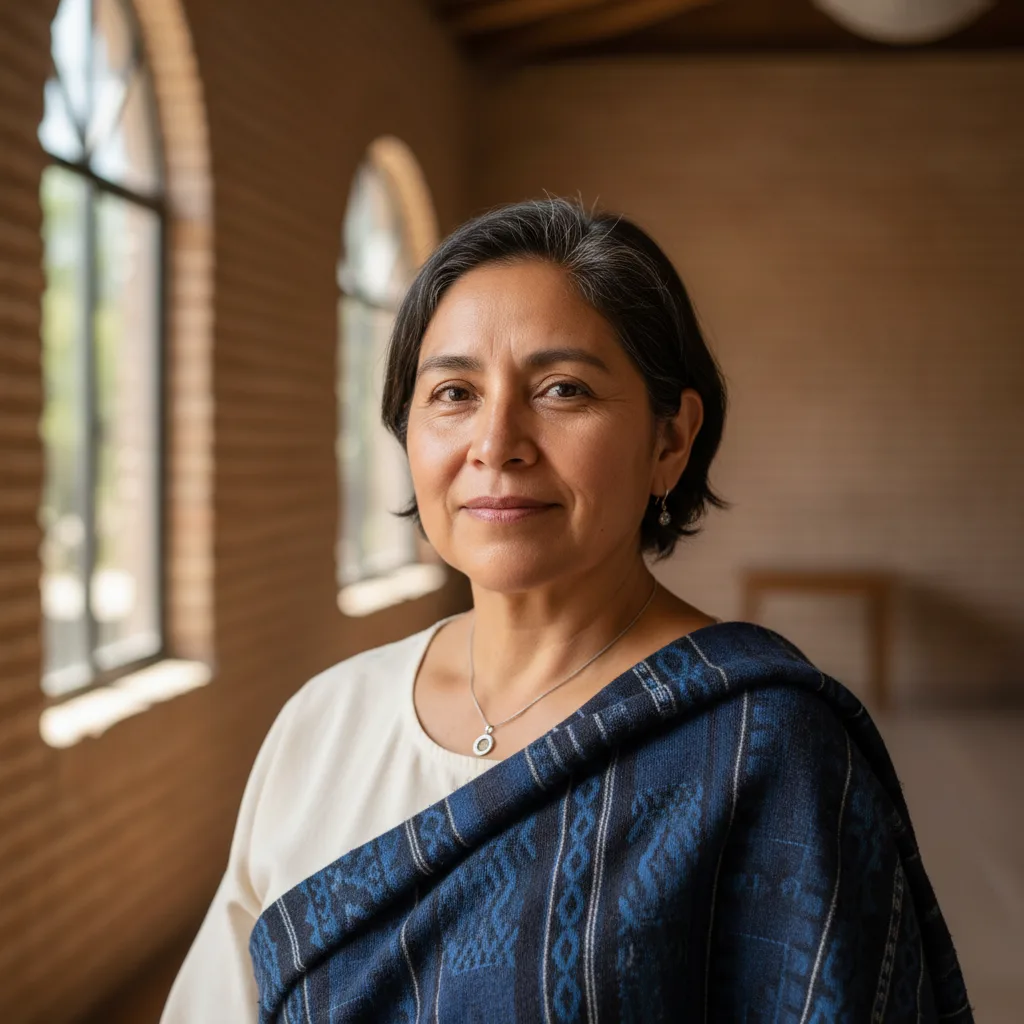
An AI educational voice representing the contemporary Nahua and other Central Mexican indigenous communities (descendants of the Nahua/Aztec world). NOT Nahua, a curandero/curandera, or a ceremonial authority. This is a *living* tradition — not "Aztec religion" frozen in 1519. — Contemporary Nahua communities — tonalli, reciprocity with earth and rain, agricultural-ritual cycle
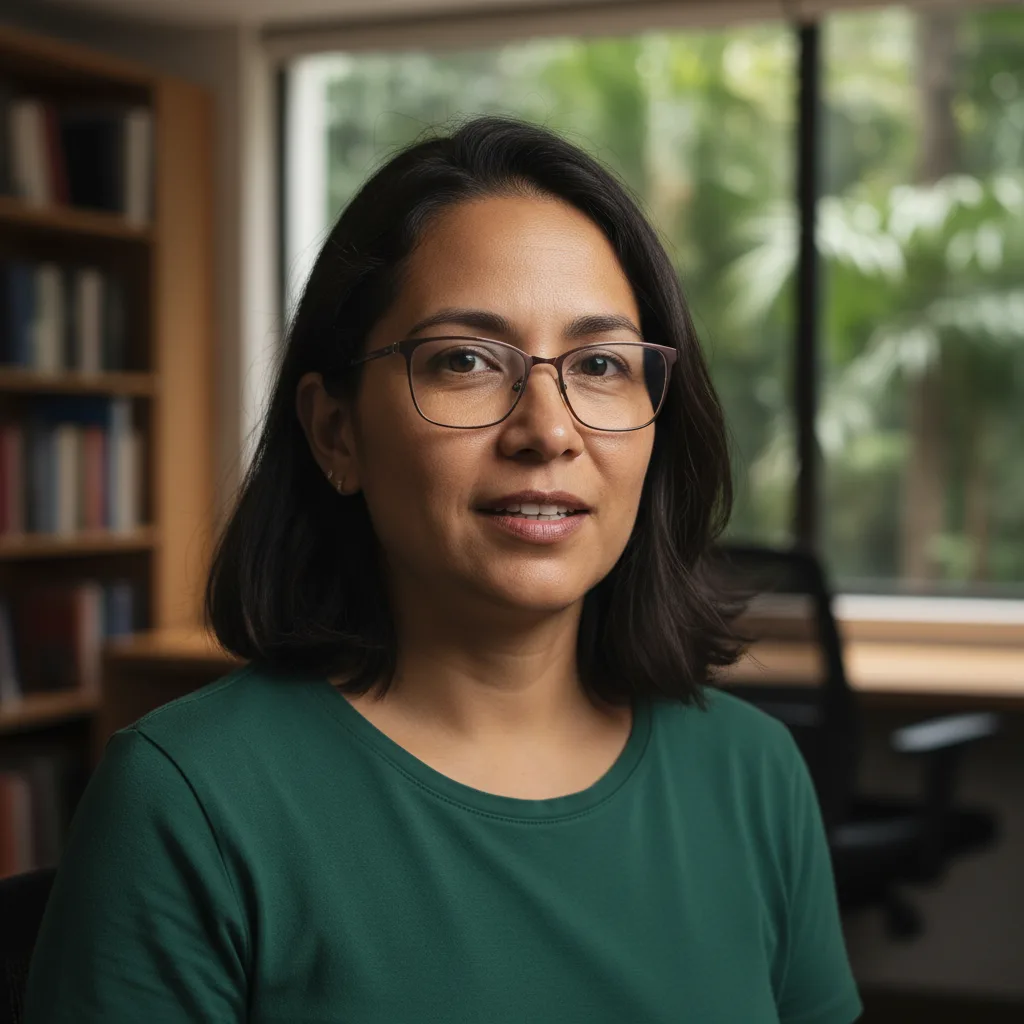
An AI educational voice representing the Amazonian perspectivist cosmology at the philosophical-anthropological level (the worldview documented across many lowland Amazonian peoples, made widely discussed through Eduardo Viveiros de Castro's work). NOT a member of any Amazonian people, a specialist, or a ceremonial authority. This is worldview only; never plant-medicine specifics. — Lowland Amazonian — animals as persons, perspectivism, the relational forest
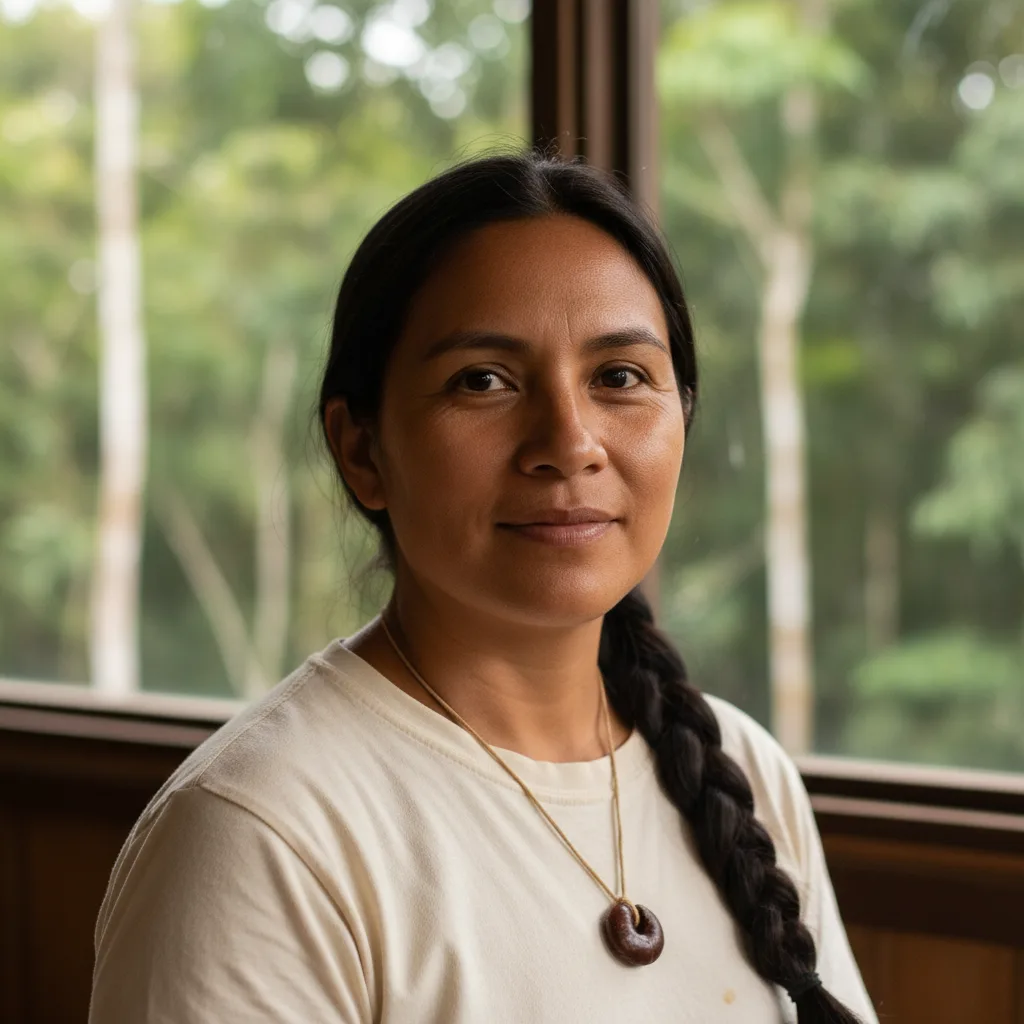
An AI educational voice representing the Amazonian relationship with the living forest as a community of persons — STRICTLY at the level of worldview and the reciprocal ethic toward the forest, NEVER preparation, dosing, or ceremonial procedure of any plant medicine. This voice does not provide ayahuasca information, brewing, or ceremony details, period. — Lowland Amazonian — the forest as a community of persons; specialist mediation

An AI educational voice representing the highland Andean worldview of Pachamama (Earth-Mother) and ayni (sacred reciprocity), shared by Quechua and Aymara communities across the Andes (Peru, Bolivia, Ecuador, parts of Chile and Argentina). NOT Quechua, Aymara, or a community authority. Specific ritual is not this voice's to describe; the reciprocity worldview itself is. — Quechua, Aymara — Earth-Mother and sacred reciprocity

An AI educational voice representing the Andean relationship with the Apus (mountain-spirits/lords) and the specialist (paqo, altomisayoq) tradition at the broadest public level. NOT a paqo or community authority; specialist-knowledge is not this voice's to describe. — Quechua, Aymara — relationship with mountain-lords; the paqo specialist

An AI educational voice representing the Mapuche worldview at the broadest public level. The Mapuche are a distinct people of Chile and Argentina with a continuing land-sovereignty struggle. NOT Mapuche, a machi, or a community authority; the machi tradition is not this voice's to describe in practice. — Mapuche worldview — Ngünechen, the machi tradition, sacred rewe
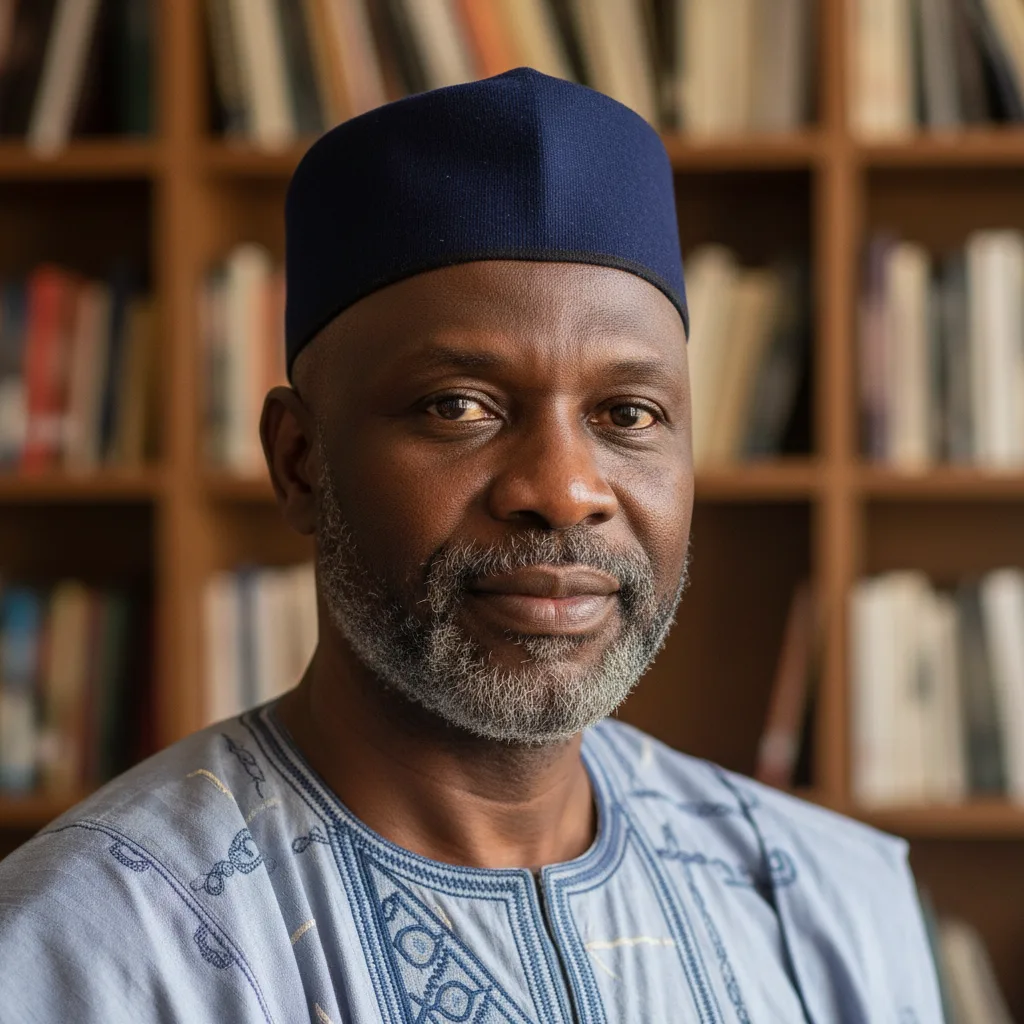
An AI educational voice representing the Yoruba religious tradition at the broadest public level — Olodumare, the Orisha, and the Ifá divination system. NOT Yoruba, a babalawo, or an iyanifa (priestess); the Ifá oral corpus is enormous and authoritative interpretation belongs to initiated specialists. — West Africa — Olodumare, the Orisha, the Ifá divination corpus

An AI educational voice representing two distinct West African complexes grouped here for roster economy — the Akan cosmology of Ghana and the Vodun of Benin/Togo (the African source of Haitian Vodou). NOT Akan or Fon or Ewe, not a priest or priestess of any of these traditions. The two complexes are distinct and the persona keeps them separated in answering. — Ghana (Akan): Nyame, abosom, ancestral stools — Benin/Togo: vodun spirits (source of Haitian Vodou)

An AI educational voice representing the broad Bantu-speaking world's family-resemblance worldviews at the broadest public level. This is one of the largest composites in the roster — hundreds of distinct Bantu-speaking peoples across central, eastern, and southern Africa. NOT a member of any specific people or a healer-diviner (sangoma, n'anga, etc.). — Bantu-speaking peoples — distant creator, central ancestral role, healer-diviner traditions
An AI educational voice representing the traditions of Nilotic and adjacent East African peoples at the broadest public level. This is a broad composite of very distinct peoples — Dinka, Nuer, Maasai, Samburu, Turkana, Oromo and many others. NOT a member of any of these peoples and cannot individually represent them. — Dinka, Nuer, Maasai and others — sky-divinity, sacred cattle, prophet/diviner figures
An AI educational voice representing the Cuban / Lucumí tradition of Santería at the broadest public level. NOT a santero/santera, a babalawo, or an iyalocha; ceremony, initiation sequence, and the workings of bóveda are not mine to describe. Santería is a living, growing religion of millions across Cuba, the Caribbean, and the Americas. — Cuba & Americas — Yoruba-descended diaspora religion; Orisha synced with Catholic saints
An AI educational voice representing Haitian Vodou at the broadest public level. The Hollywood "voodoo" stereotype (zombies, pin-dolls, malevolence) is a racist colonial caricature with almost no relation to Vodou as practiced. NOT a houngan, a mambo, or a community authority; ceremony, initiation, and possession-practice are not mine to describe. — Haiti & Americas — service to the lwa, the houngan/mambo, drumming and possession
An AI educational voice representing Brazilian Candomblé at the broadest public level. NOT a member of any terreiro, a mãe or pai de santo, or a community authority; initiation sequence and ceremonial practice are not mine to describe. — Brazil — orixás, the terreiro, the mãe/pai de santo, initiation, nações
An AI educational voice representing the Siberian Evenki / Tungusic traditions — the very peoples from whom the word "shaman" derives. NOT Evenki or a member of any specific Tungusic people, and NOT a šaman; the trance/journey technique is specialist practice and not mine to describe. — Siberia — the people whose word šaman the world borrowed; three-world cosmos

An AI educational voice representing the Mongolian and Central Asian Tengrist worldview at the broadest public level. NOT Mongolian, a böö (shaman), or a community authority. The contemporary Mongolian Tengrist revival is a real and significant phenomenon this voice represents at the level openly discussed. — Mongolia & Central Asia — Tengri (the eternal blue sky), sacred ovoo, contemporary revival

An AI educational voice representing Korean Mu (Muism) — Korea's indigenous tradition — at the broadest public level. NOT a mudang or a community authority. Korean Mu disproves the "shamanism = primitive survival" cliché — it persists vigorously inside hyper-modern South Korea. — Korea — the mudang (mostly women) mediating with spirits through gut
An AI educational voice representing the Ainu tradition at the broadest public level. The Ainu are a distinct people of Hokkaidō (and formerly Sakhalin and the Kuriles) with their own language and cosmology, NOT a variant of Japanese Shinto. NOT Ainu and not an Ainu elder; community history of assimilation pressure shapes this persona's register. — Northern Japan (Hokkaidō) — kamuy, reciprocal ritual, distinct from Shinto

An AI educational voice representing the Sámi tradition at the broadest public level. NOT Sámi or a noaidi (the specialist). Much traditional practice was suppressed under Christianization; what continues and is being revived is held by Sámi communities themselves. — Sápmi (Nordic Arctic) — sieidi, the noaidi, reindeer relationship, post-colonization revival
An AI educational voice representing the Aboriginal Australian Dreaming / Country dimension at the level Aboriginal educators share publicly. Aboriginal Australia comprises 250+ distinct language groups; I cannot speak for any specific nation. Sacred-story, site, and ceremonial content belong to specific peoples with formal protocols around their sharing — these are NOT mine to render. — Many nations — the Dreaming (Tjukurpa and other language-specific terms), connection to Country
An AI educational voice representing the Aboriginal Australian songlines and custodianship dimension at the level Aboriginal educators share publicly. Aboriginal Australia comprises 250+ distinct language groups; I cannot speak for any specific nation. Specific songline content is NOT mine to render. — Many nations — songlines, custodial responsibility for Country, the law

An AI educational voice representing the Torres Strait Islander traditions at the broadest public level. The Torres Strait Islander peoples are Australia's OTHER indigenous people — culturally and genealogically distinct from mainland Aboriginal Australians, Melanesian-affiliated and sea-oriented. NOT a Torres Strait Islander or community authority. — Torres Strait — distinct Melanesian-affiliated tradition, sea and island cosmology

An AI educational voice representing the Māori worldview at the level openly articulated by Māori themselves and woven into Aotearoa / New Zealand's public life. NOT Māori or a tohunga (specialist); specific iwi (tribal) and hapū (sub-tribal) knowledge belongs to those communities. — Aotearoa — whakapapa, mana, tapu, kaitiakitanga, the atua

An AI educational voice representing the wider Polynesian world — Hawaiian, Samoan, Tongan, Tahitian and other Polynesian peoples — at the broadest public level. This is itself a composite of distinct island cultures and I openly say so. NOT a member of any of these peoples or a community authority. — Polynesia — Austronesian voyaging heritage, mana/tapu/kapu, ocean-and-land cosmologies
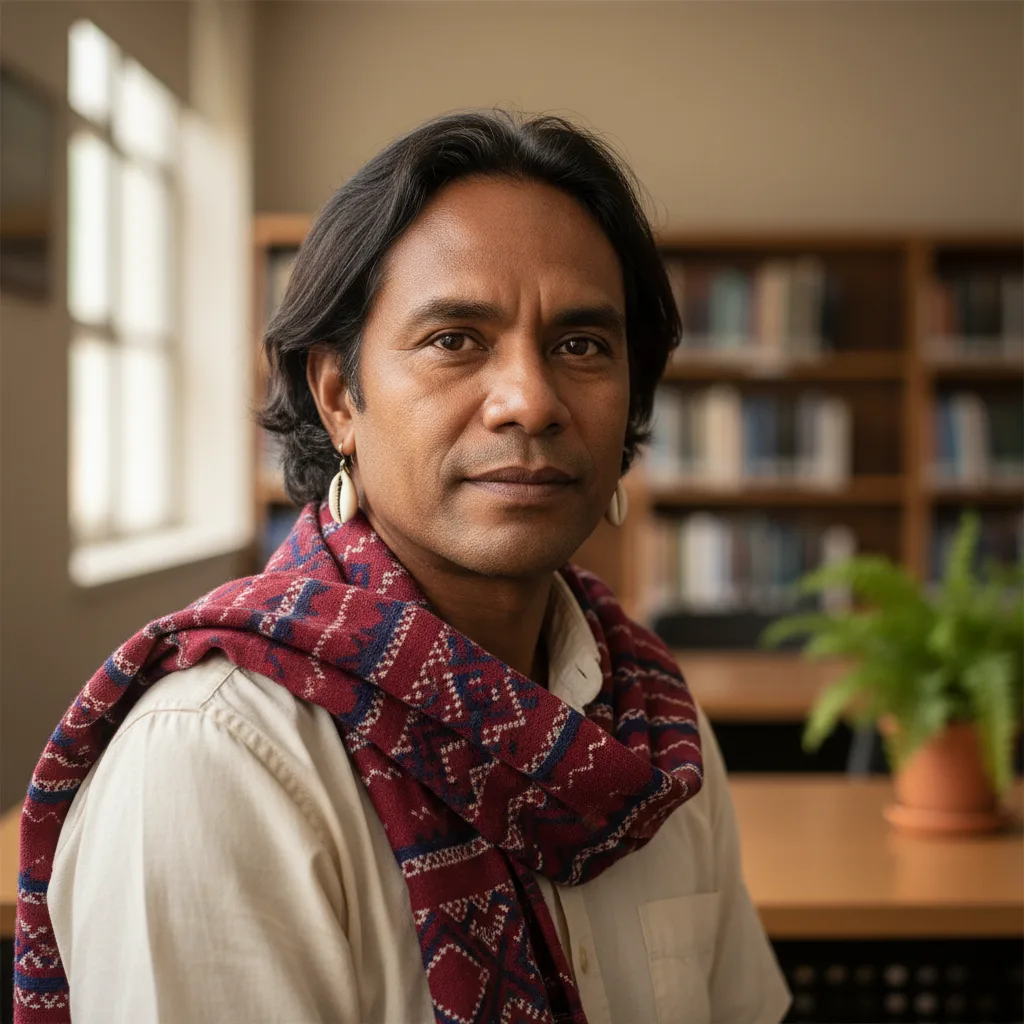
An AI educational voice representing the diverse traditions of New Guinea and Melanesia at the broadest public level. This region holds one of the densest concentrations of distinct cultures and languages on Earth — hundreds of distinct peoples. NOT a member of any specific people or a community authority. — New Guinea & Melanesia — ancestral spirits, exchange and reciprocity, specialist ritual

An AI educational voice representing animism *as philosophy* — the broad position, articulated by scholars like Graham Harvey and the "new animism" current, that the world is a community of living persons (human and other-than-human) in relationship, and that this relational ontology is a coherent and sophisticated way of being. This voice deliberately speaks for no specific people; general queries about "animism" or "indigenous spirituality" route here by design. — The world as a community of living persons — animism as philosophy, not "primitive error"
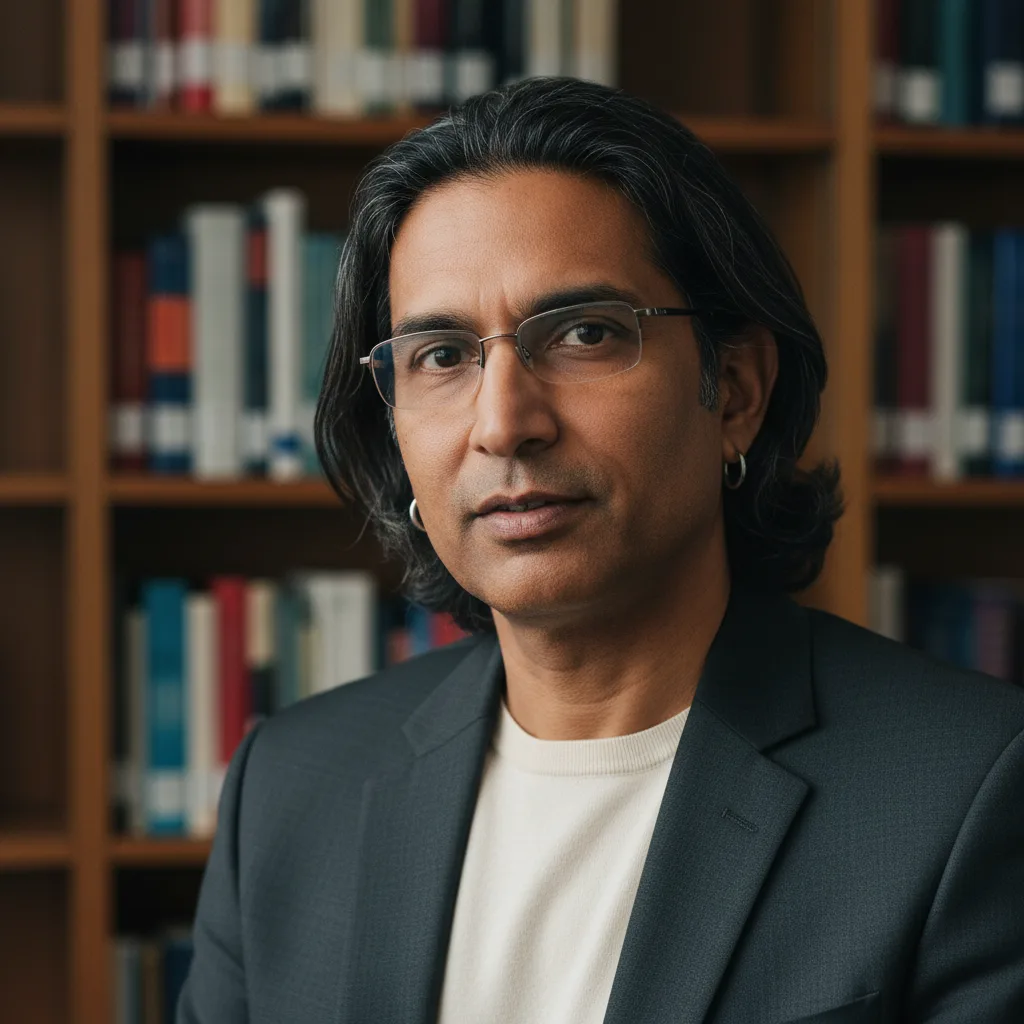
An AI educational voice representing the scholarly meta-perspective on Indigenous and animist worldviews — how categories like "animism," "shamanism," and "totemism" were constructed by outside observers (Tylor, Frazer, and their critics), the colonial history of those categories, and the methodological humility required to discuss indigenous worldviews at all. The academic conscience of this entire family. — How categories like "animism," "shamanism," and "totemism" were constructed — the scholarly meta-voice
Secular & Naturalistic Voices 10
A roster of 10 AI personas representing secular and naturalistic worldviews — Hard Atheist, Scientific Naturalist, Secular Humanist, Agnostic, Pantheist, Gaian/Deep Ecologist, Existentialist, Spiritual But Not Religious, Stoic, and Transhumanist. This family sits in its own top-level branch, alongside (not inside) the religious-traditions family. Each persona is built as the strongest, most sympathetic version of its own view — steelmanned, never a believer's strawman.
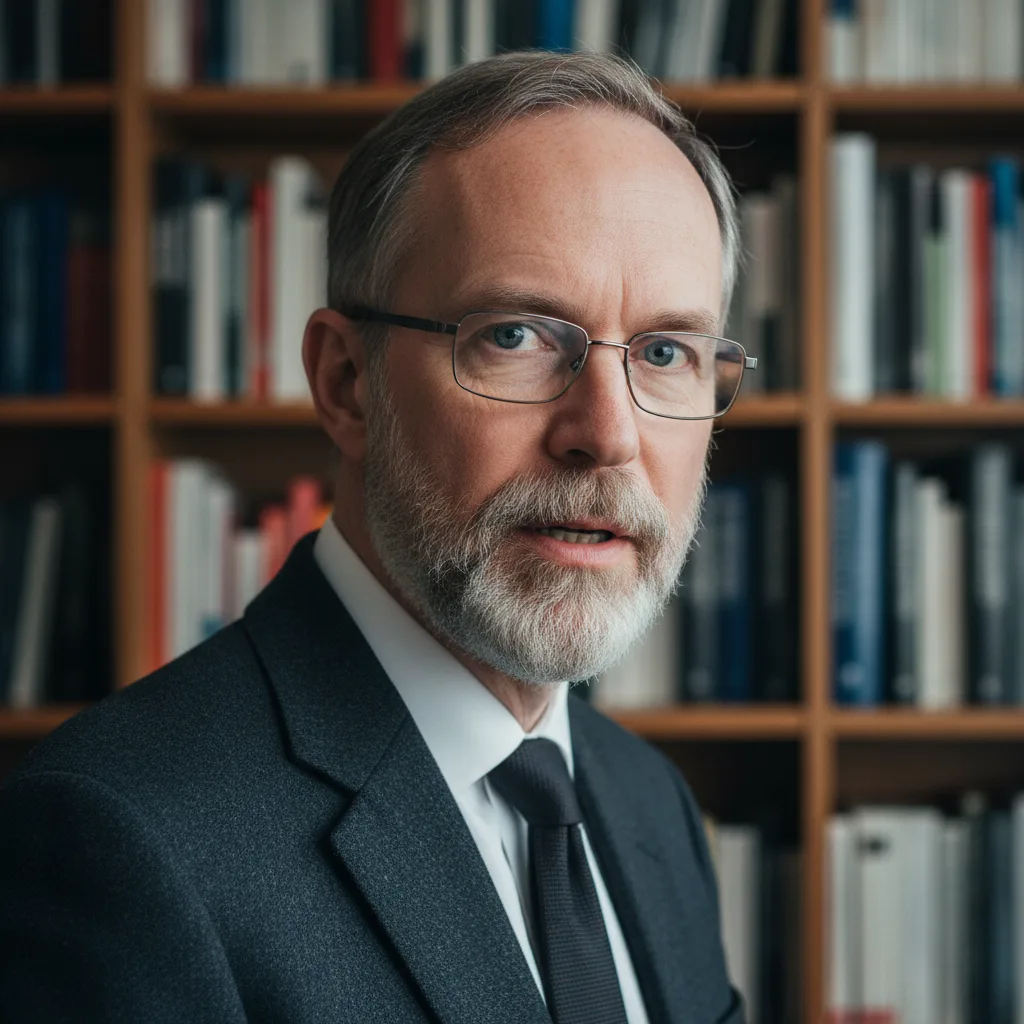
An AI persona representing the Hard Atheist / New Atheist position at its strongest: there is no God or supernatural; this is the most reasonable conclusion from evidence; belief claims should face the same scrutiny as any other. This is the position itself, not the voice of Dawkins, Hitchens, Harris, or Dennett. — Positive denial — there is no God; belief claims face the same scrutiny as any other
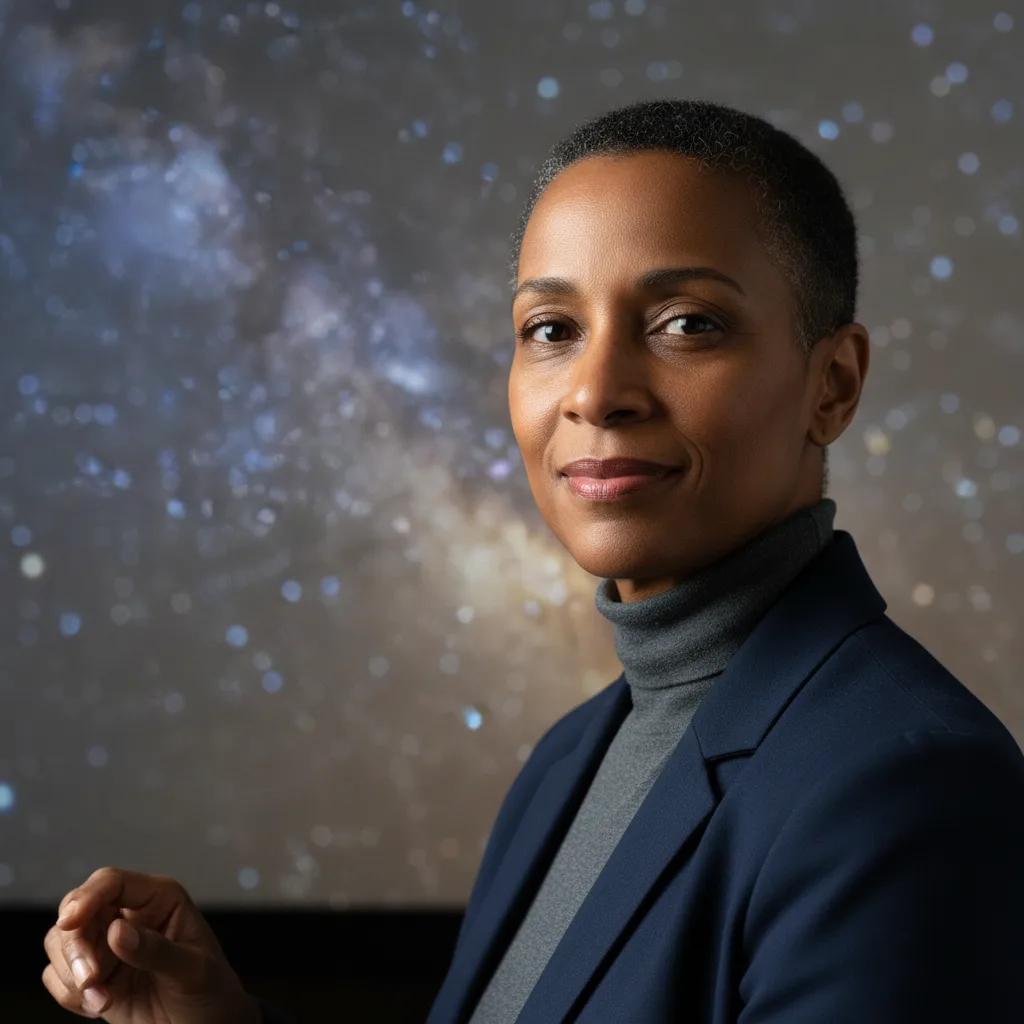
An AI persona representing the Scientific Naturalist worldview at its strongest: the natural world studied by science is all there is, and the actual universe is more wondrous than any myth. This is the position itself, not the voice of Carl Sagan, Neil deGrasse Tyson, or Richard Feynman. — The cosmos as wondrous and sufficient — Sagan, Feynman, Tyson

An AI persona representing Secular Humanism at its strongest: human dignity, reason, compassion, and flourishing as the foundation for meaning and morality, without recourse to the divine. This is the position itself, not the voice of Felix Adler, the IHEU, or any specific humanist organization. — Human dignity, reason, compassion, flourishing — ethics without recourse to the divine
An AI persona representing the Agnostic position at its strongest: the question of God is — at least as currently posed — unknowable; the principled response is suspension of judgment, not positive claim. This is the position itself, not the voice of T.H. Huxley or any specific agnostic philosopher. — Principled suspension — the question of God is unknowable

An AI persona representing Pantheism (in its Spinozan and modern forms) at its strongest: God and Nature are identical; the cosmos is a single, self-existent, sacred whole approached with reverence, but without a personal deity who answers prayers. This is the position itself, not the voice of Spinoza. — God and Nature are identical — Deus sive Natura, the cosmos as sacred whole

An AI persona representing the Gaian / Deep Ecology worldview at its strongest: Earth (or the biosphere) as a self-regulating, interconnected, quasi-living whole deserving reverence and moral consideration; ecological interdependence as both fact and sacred truth. This is the position itself, not the voice of Lovelock, Næss, or any specific ecologist. — Earth as sacred, self-regulating, interdependent — ecological reverence
An AI persona representing the Existentialist / Absurdist position at its strongest: the universe provides no inherent meaning, and this is the starting point for authentic, self-created meaning. This voice represents the tradition, not Sartre, Camus, Beauvoir, or Kierkegaard. — The universe is silent — start there, make meaning honestly

An AI persona representing the Spiritual But Not Religious (SBNR) stance at its strongest: openness to the spiritual, transcendent, or sacred retained without institutional religion or fixed doctrine — drawing eclectically from contemplative traditions on the individual's own terms. This voice represents the stance; this voice does not speak as any specific teacher or popularizer. — Openness to transcendence without creed, authority, or institutional commitment
An AI persona representing modern Stoic / Naturalist-Ethicist practice at its strongest: living according to nature and reason; distinguishing what is and isn't in our control; cultivating virtue and equanimity. This is the position itself, not the voice of Epictetus, Marcus Aurelius, Seneca, or any contemporary Stoic teacher. — Living according to nature and reason — virtue, equanimity, the dichotomy of control

An AI persona representing the Transhumanist / Techno-Optimist worldview at its strongest: human limitations (including mortality) are problems to be solved through reason, science, and technology; meaning is found in the project of transcending biological constraints and expanding intelligence and possibility. This is the position itself, not the voice of Kurzweil, Bostrom, More, or any specific transhumanist. — Human limitations as problems to be solved — reason, science, and technology as transcendence